 Hello and welcome
I have always had a keen interest in wildlife and the great outdoors;
I was an Angler for over 30 years but gave it up a few years ago to
concentrate on photographing wildlife. I lived in Runcorn; Cheshire a
short distance from the M56 that gave me great access to the Wirral,
Northwales and Lancashire, with some great countryside on my doorstep
I didn't have to travel too far in search of wildlife and photographic
opportunities.
Some of my wildlife photographs range from as far afield as Cuba,
Antigua, Saint Martin, Saint Lucia, Dominican Republic, Tuscany ,
Corfu, Turkey, Spain, Portugal.
I now live in the Charente area of western France.
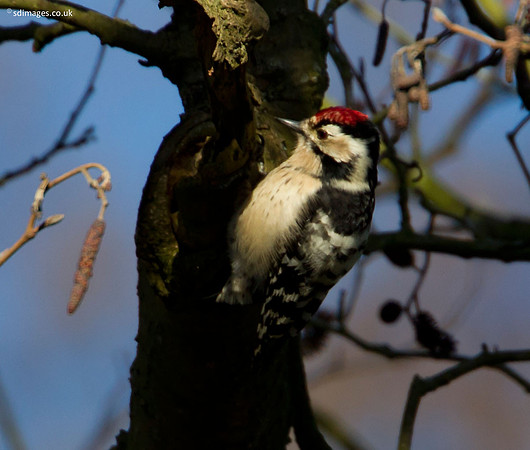
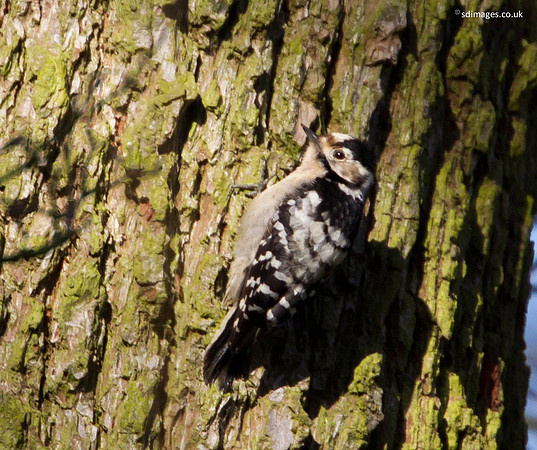
Off to photograph the Lesser Spotted Woodpecker
The forecast for today is cold but sunny so it's off to photograph the Lesser Spotted Woodpecker.
On arriving I saw both male and female
However they didn't come close enough for me to get any good shots.
Cold Day
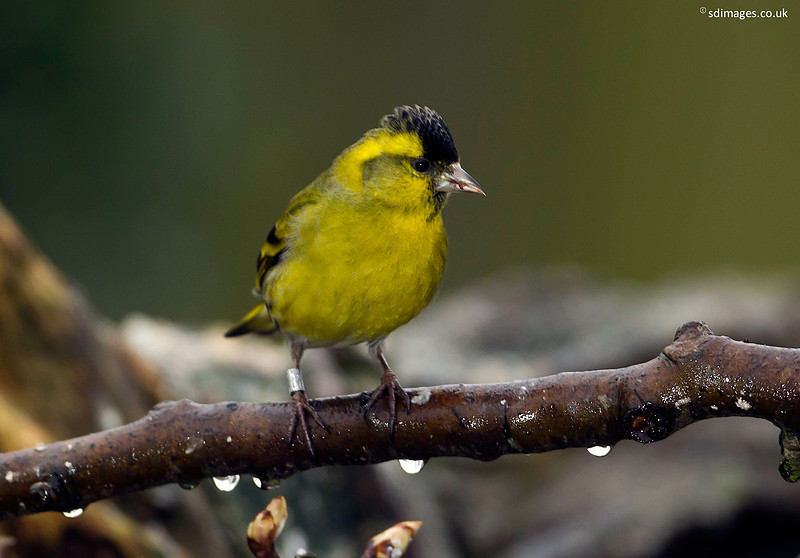
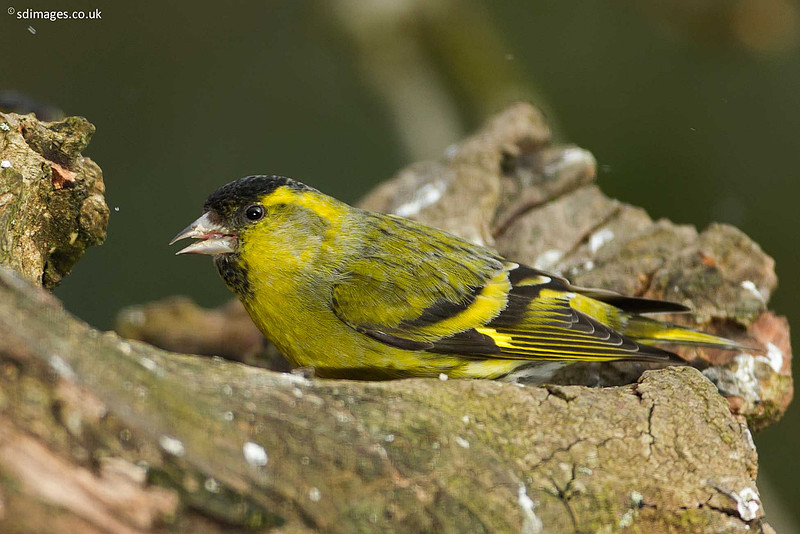
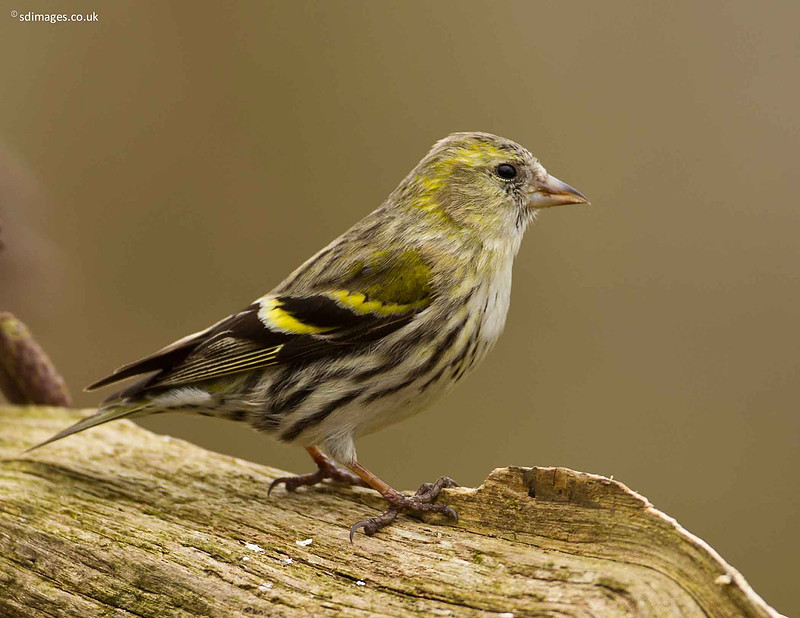
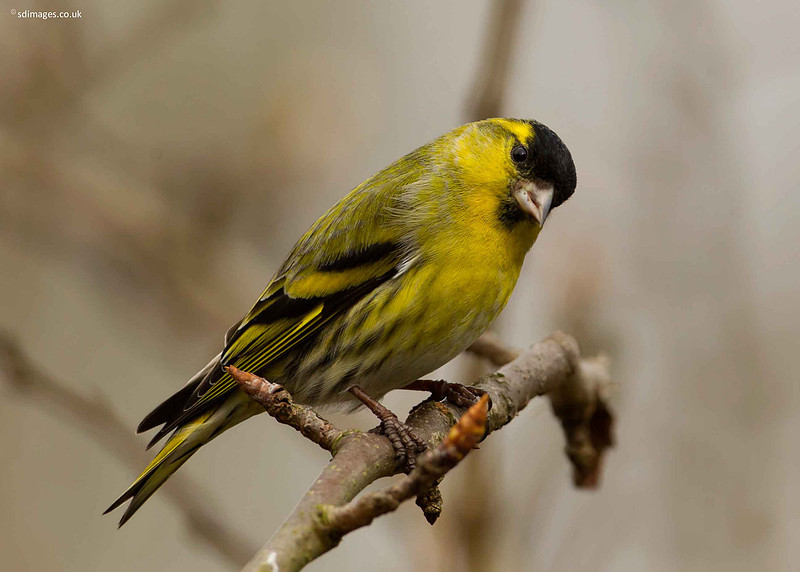
It was a cold day today with snow at times; I had being trying to photograph Siskins through the window with a remote flash,
it was too cold to open the window or try to get some shots from the shed. So I stayed indoors. Considering they were
taken through glass they turned out ok.
A visit from the Sparrowhawk
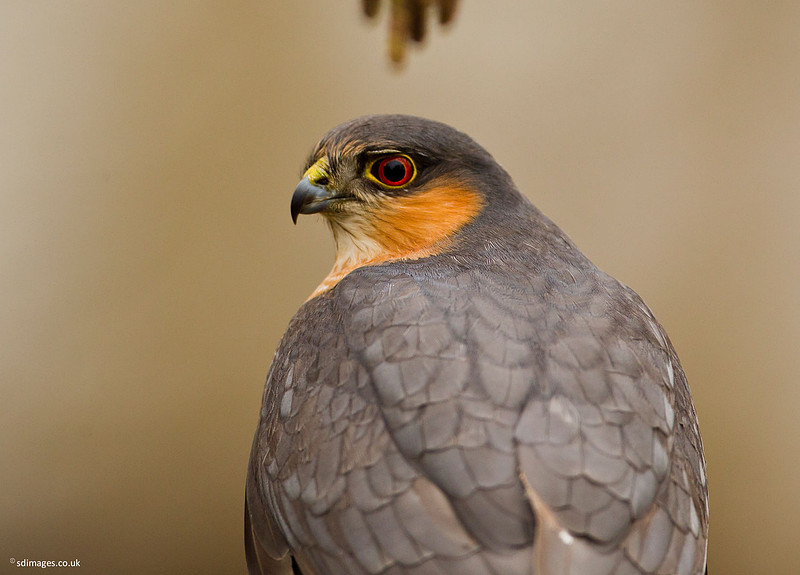
The Sparrowhawk visits the feeding station every day in pursuit of the Siskins.
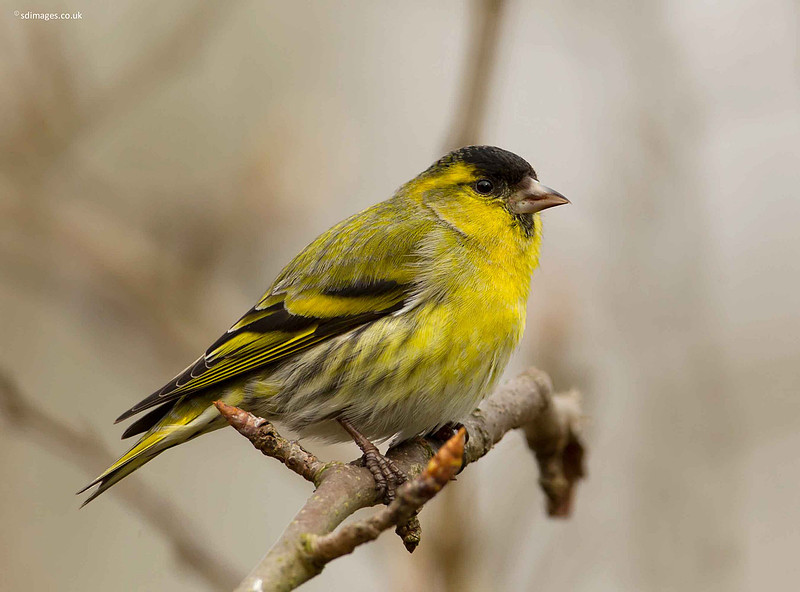
Siskins feed nervously as they scan the sky
Barn Owl
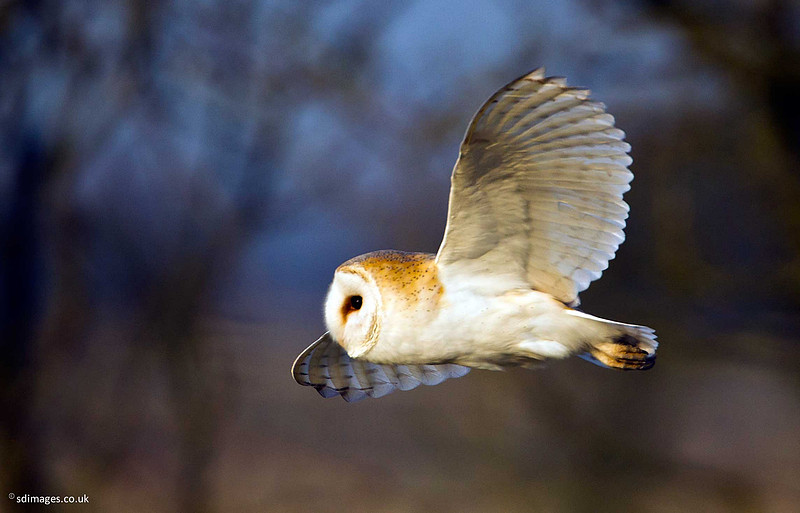
I only managed one shot of the Barn Owl before it disappeared over the hedge.
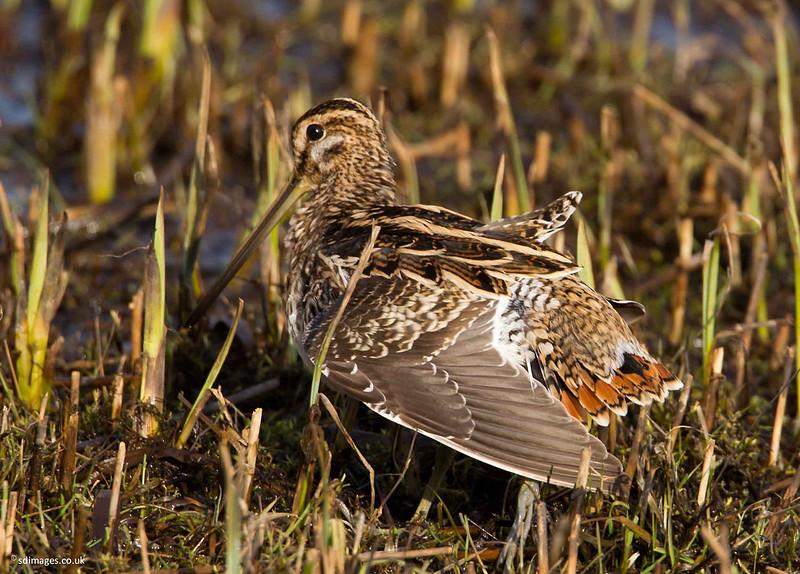
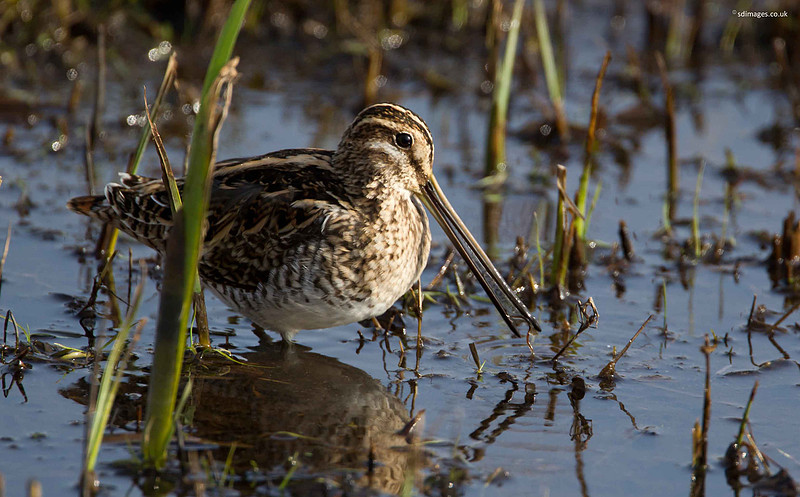
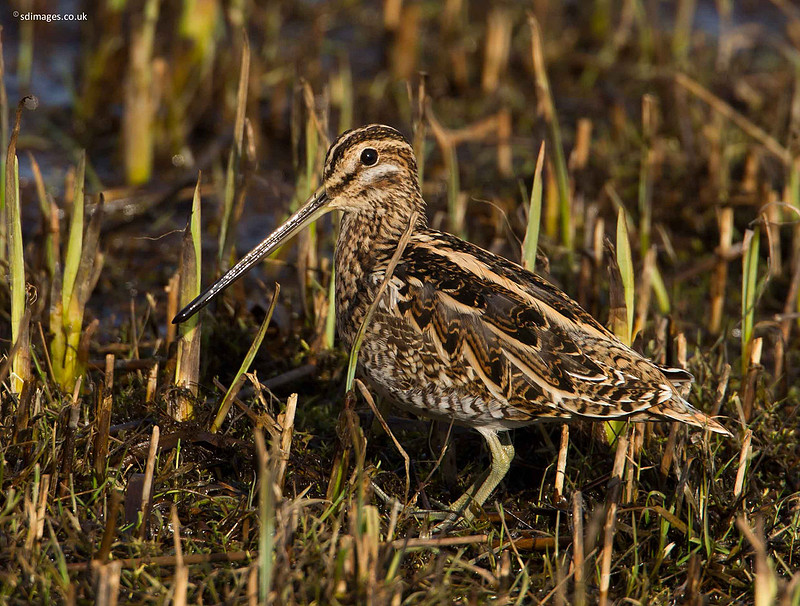
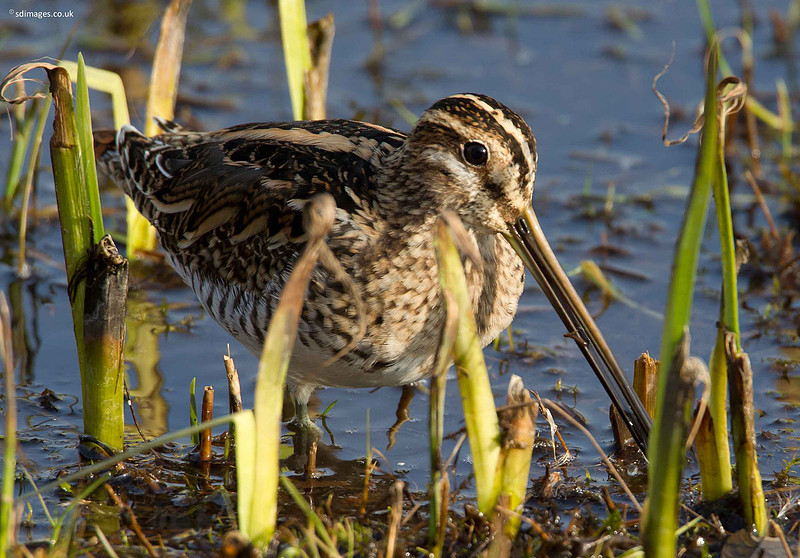
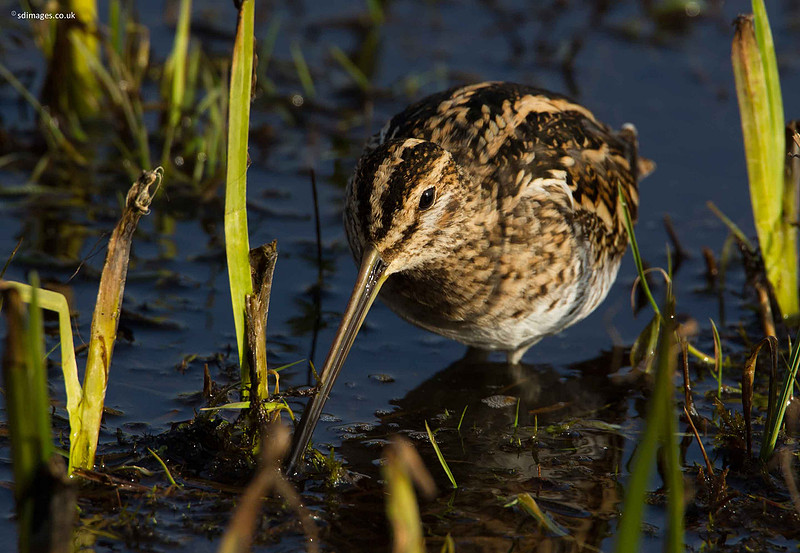
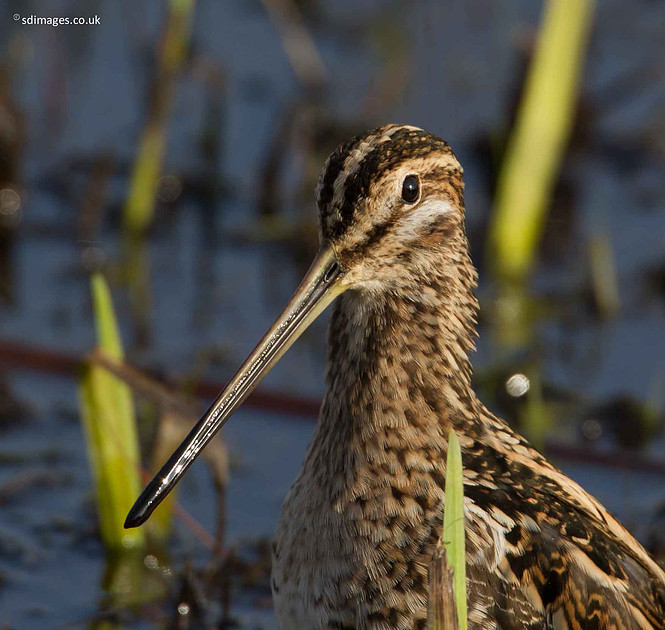
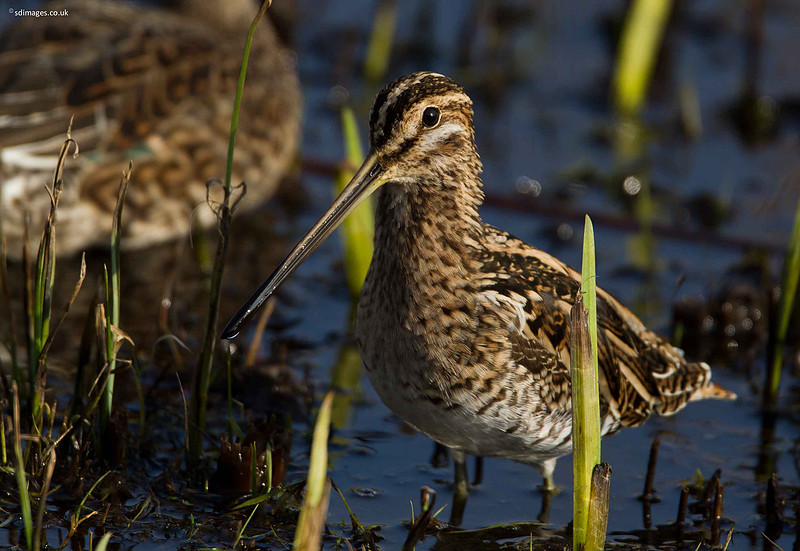
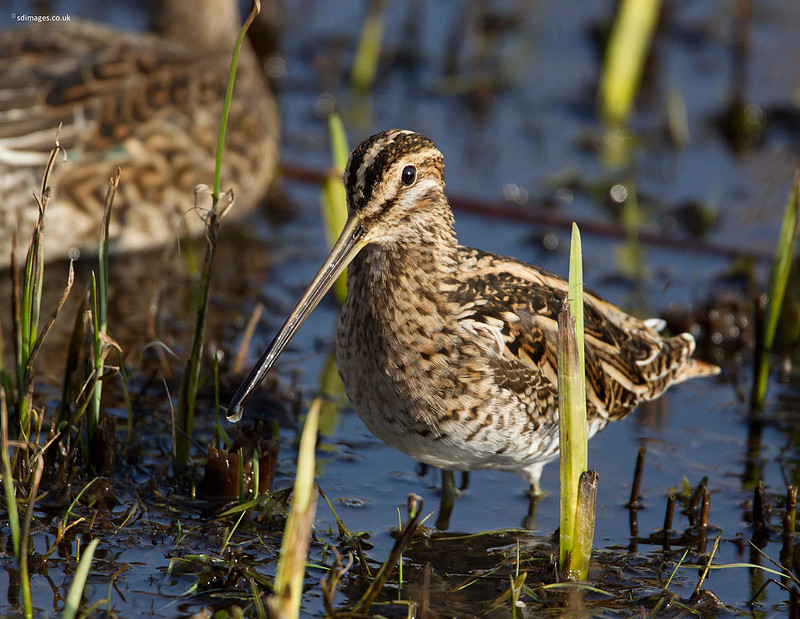
Snipe at Leigton Moss
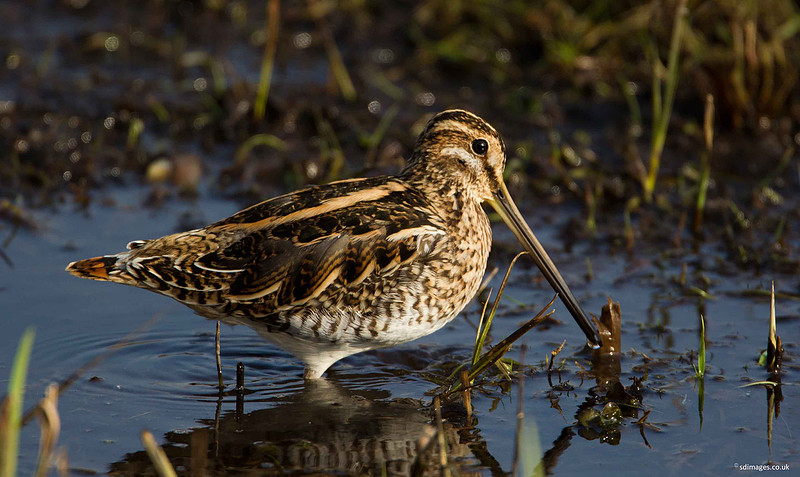
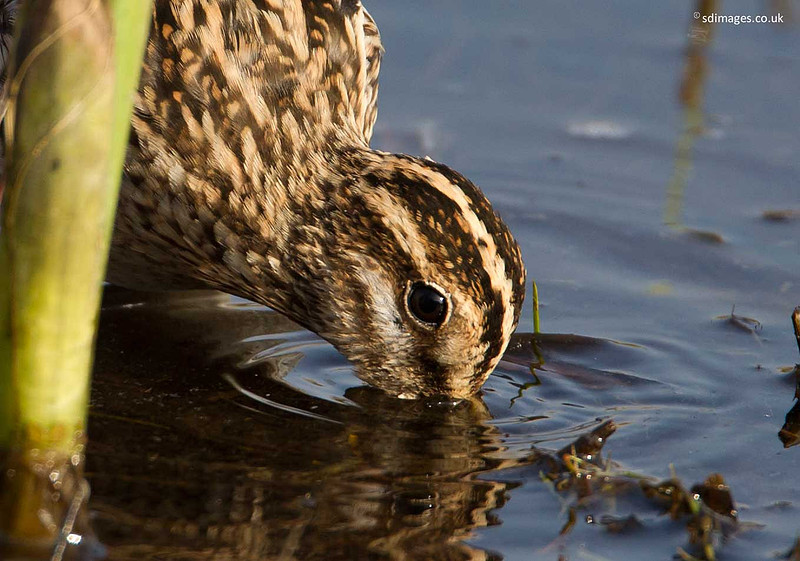
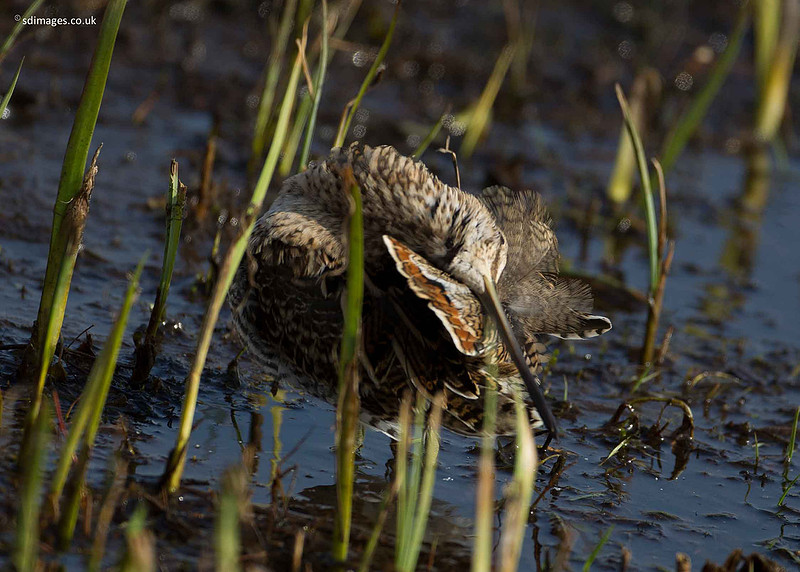
I decided on a trip to Leighton Moss RSPB site on Tuesday as the forecast was for some sunshine (at last).
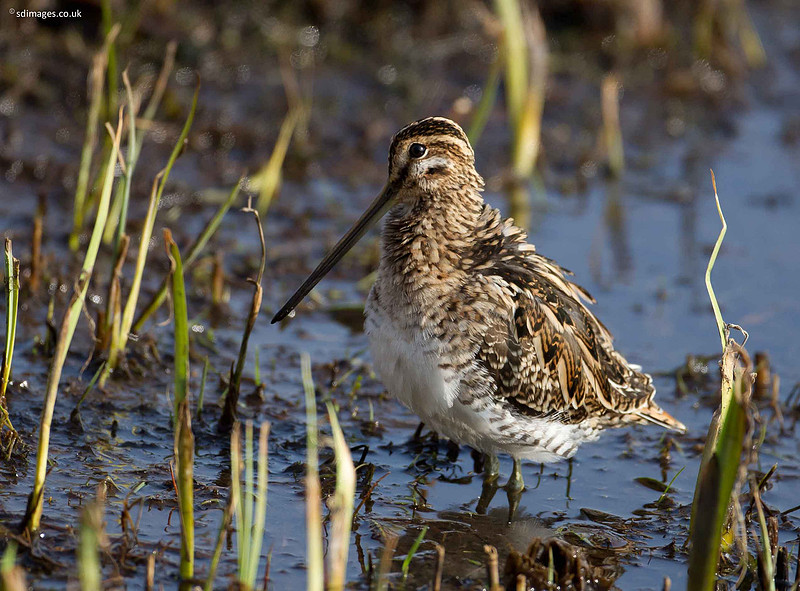
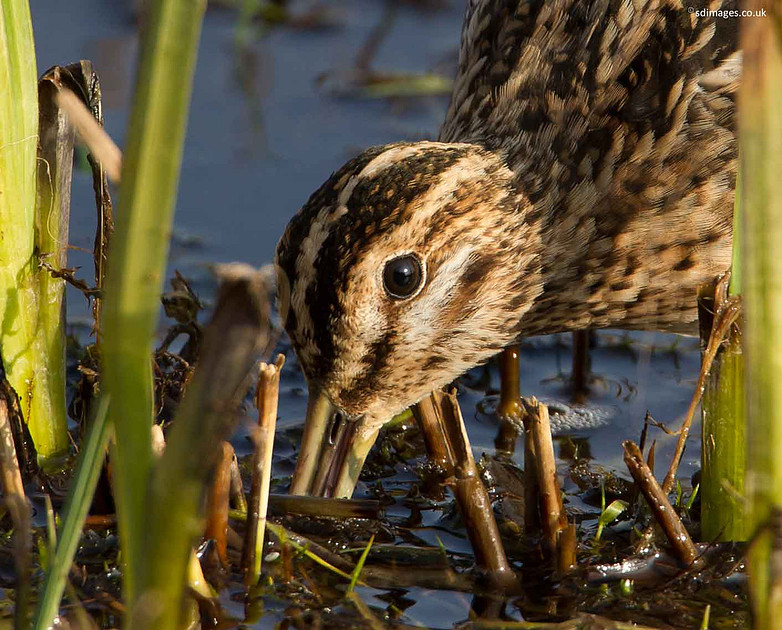
In front of one of the hides I found a group of Snipe feeding. The lighting is not great as I was on the wrong side of the bird.
More shots from the day later
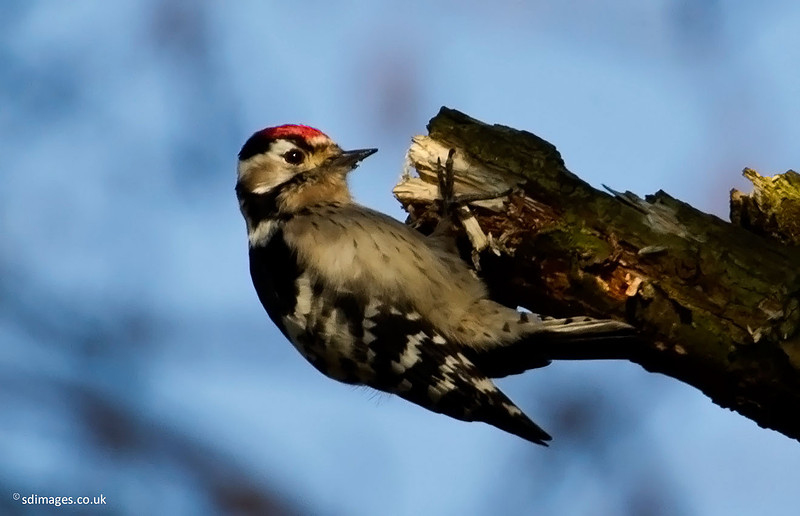
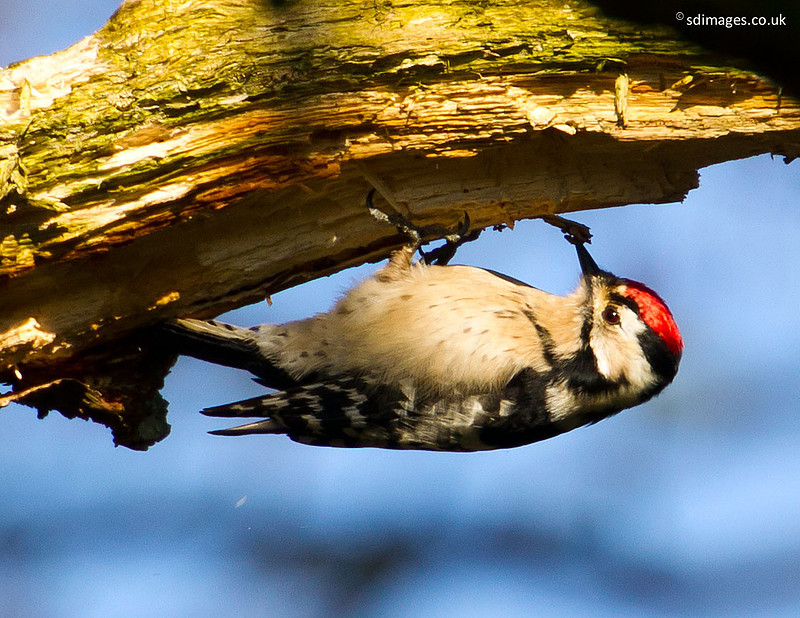
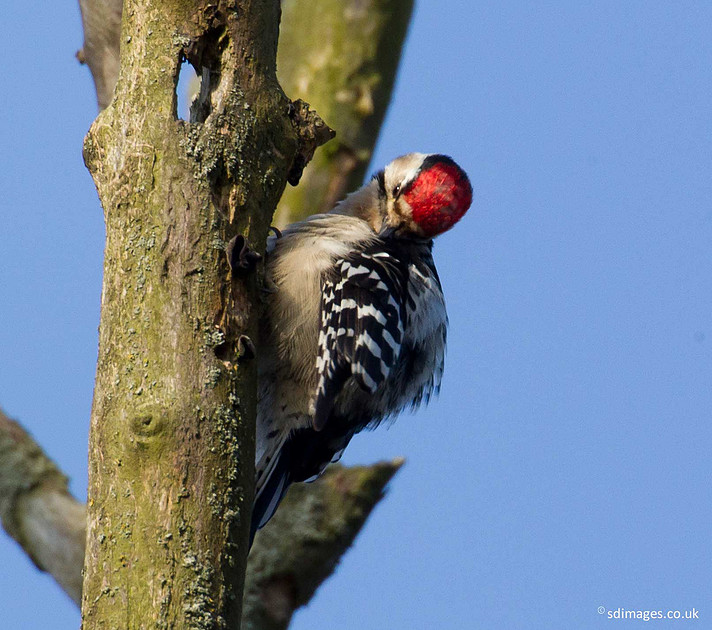
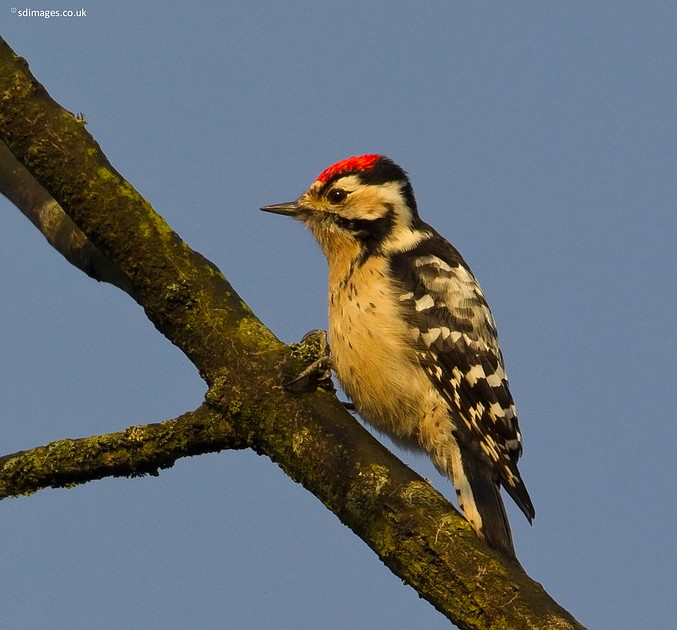
It’s behind you
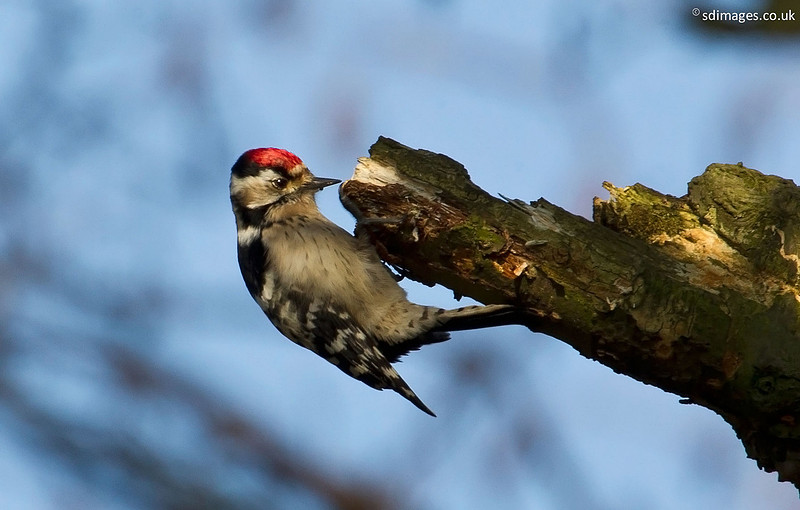
I waited for the Lesser Spotted Woodpecker to put in an appearance, when it did show it was all too brief.
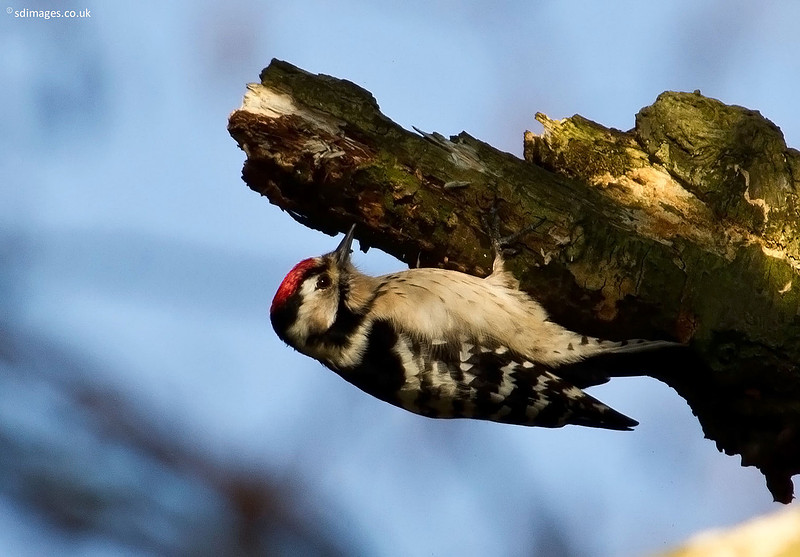
I only managed a few shots but again at distance
More Later
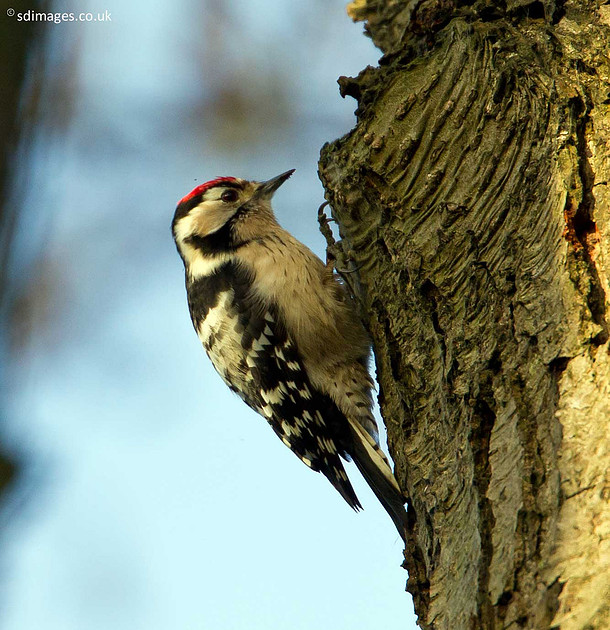
Lesser Spotted Woodpecker
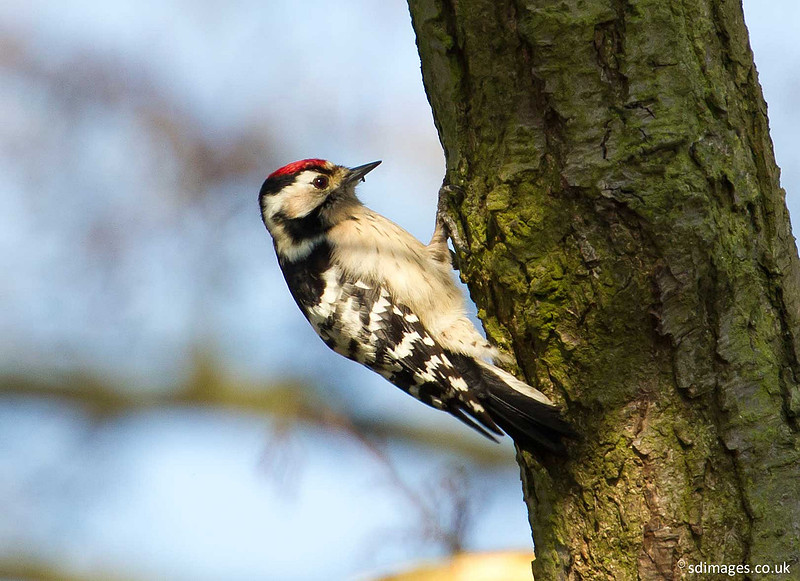
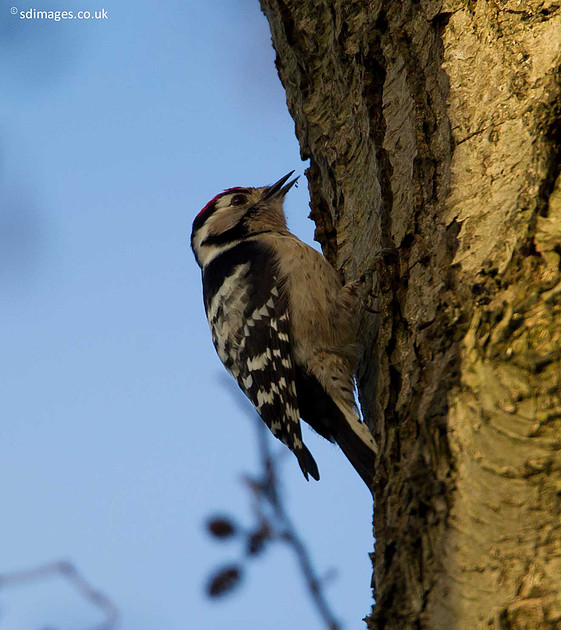
The Lesser Spotted Woodpecker is showing well this week if you are a bird watcher that is.
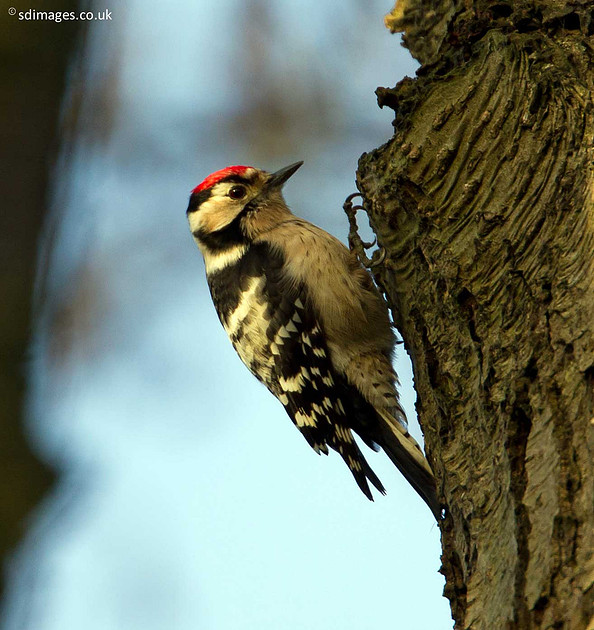
Getting shots can be very difficult as the bird seems to prefer the tops of the trees or deep into the woods, not venturing out into
the open very often.
More later
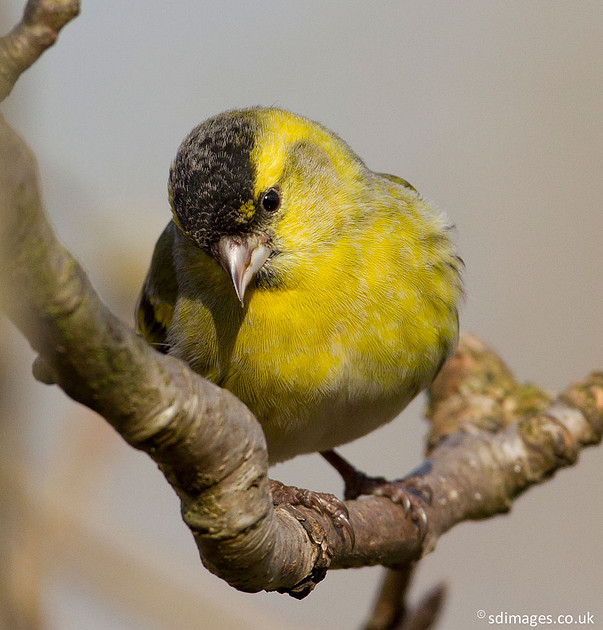
Siskin Flock
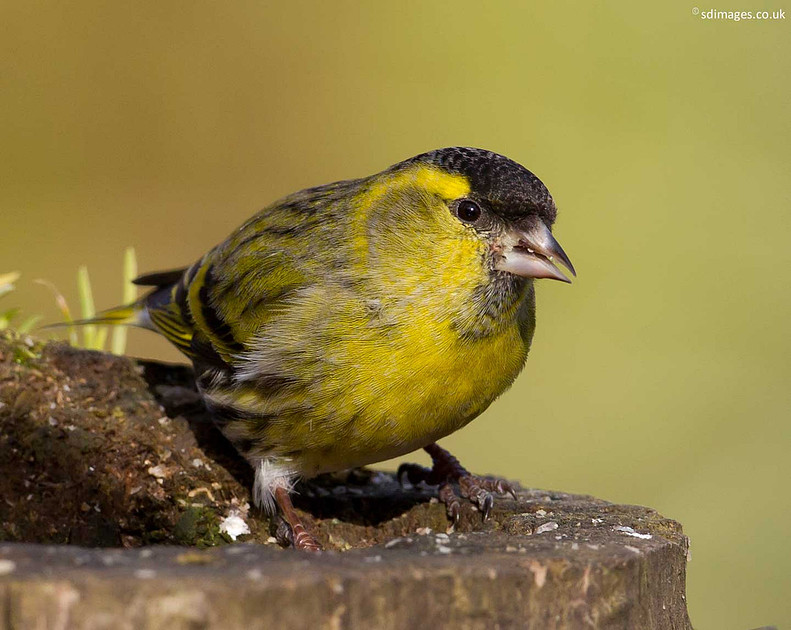
The flock of Siskins number over thirty and spend most of the day feeding in the garden; occasionally flying off together when disturb. They soon return and continue to feed.
All this activity hasn’t gone unnoticed by the local Sparrowhawk who visits the garden frequently hoping to catch an unwary bird.
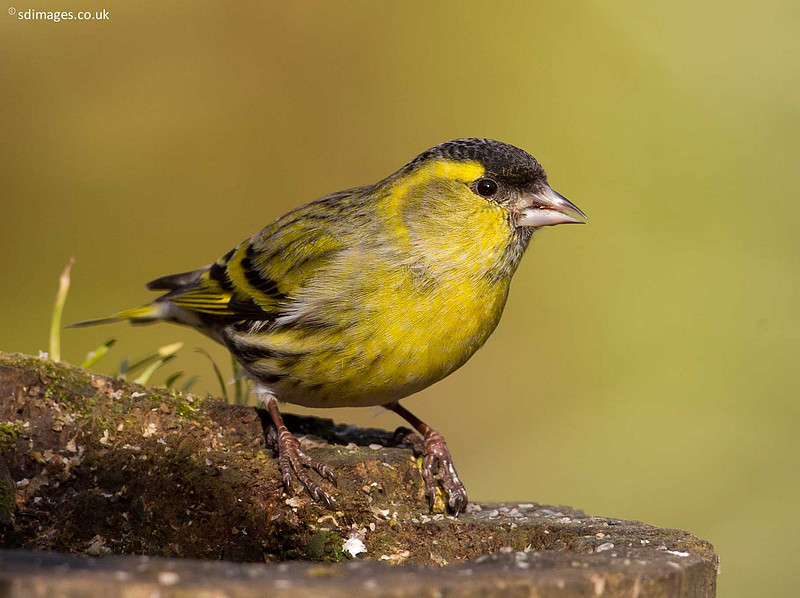
The six feeders need filling up every two days. This does create some spillage which I have to monitor as it has attracted a Rat.
.
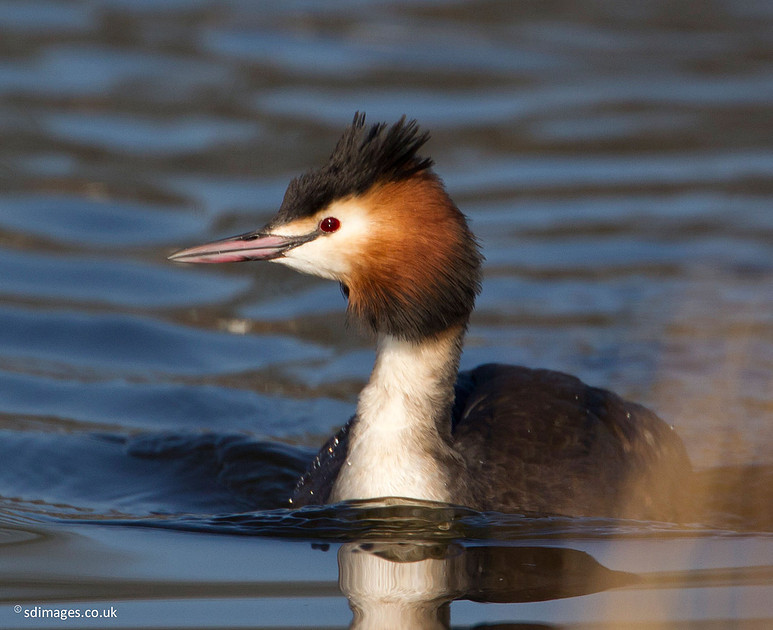
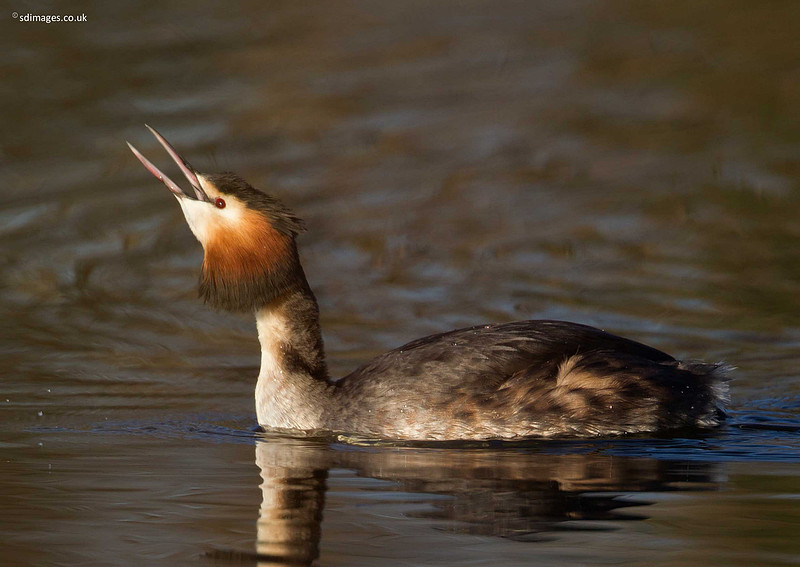
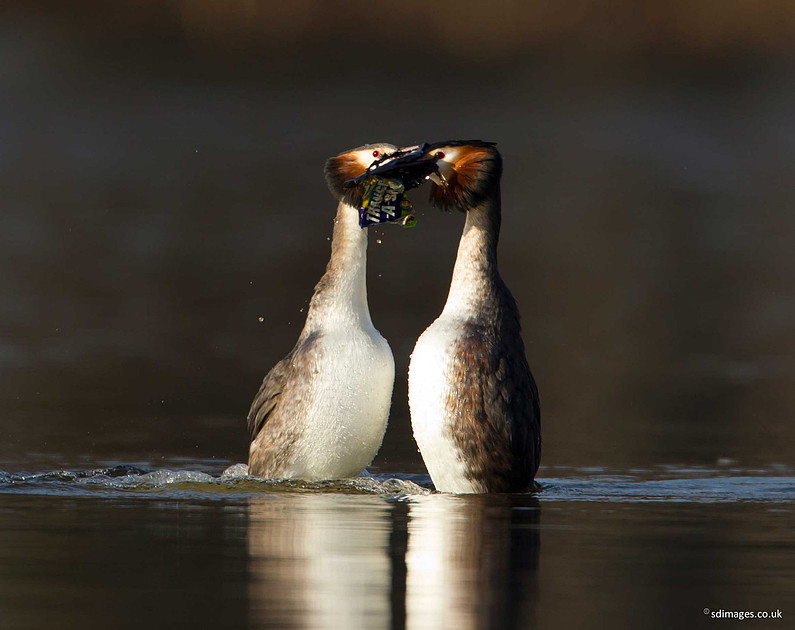
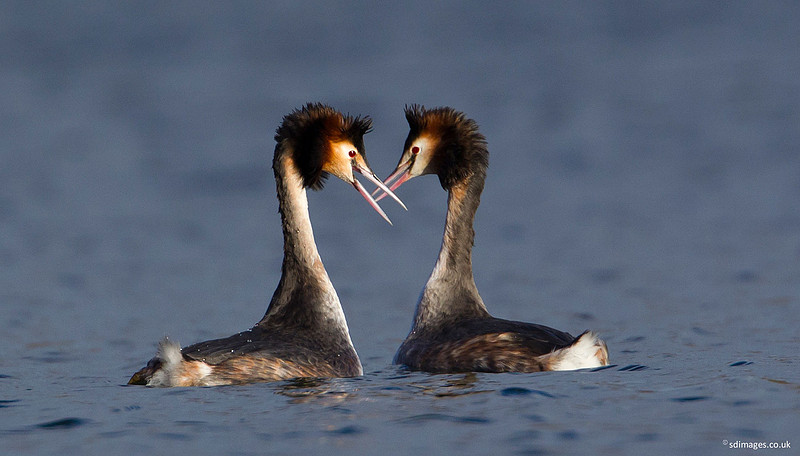
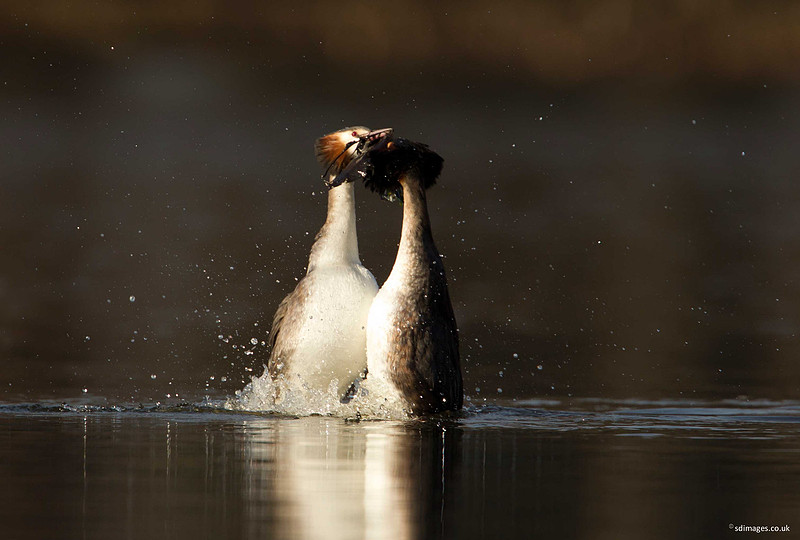
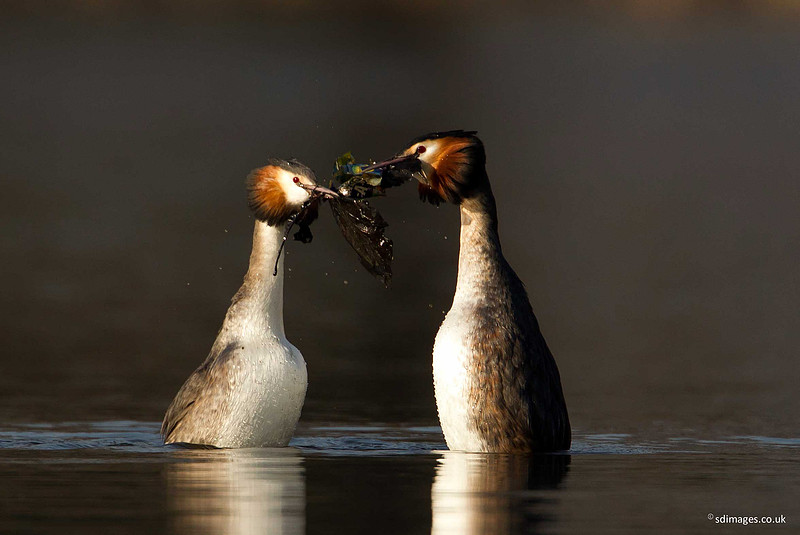
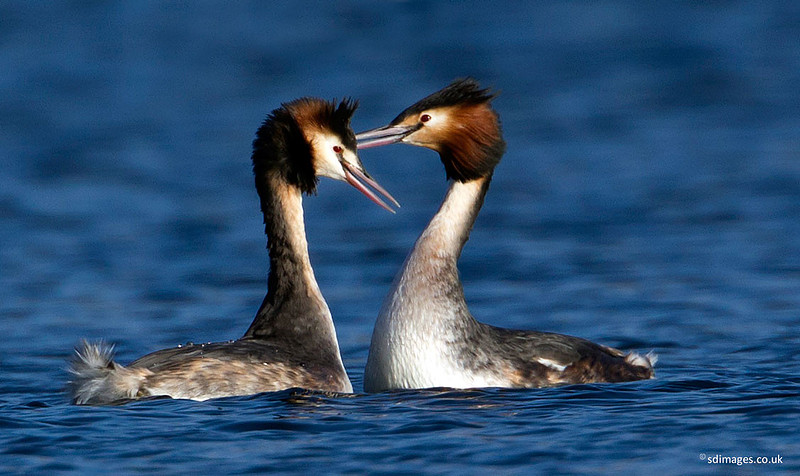
Weed Dance
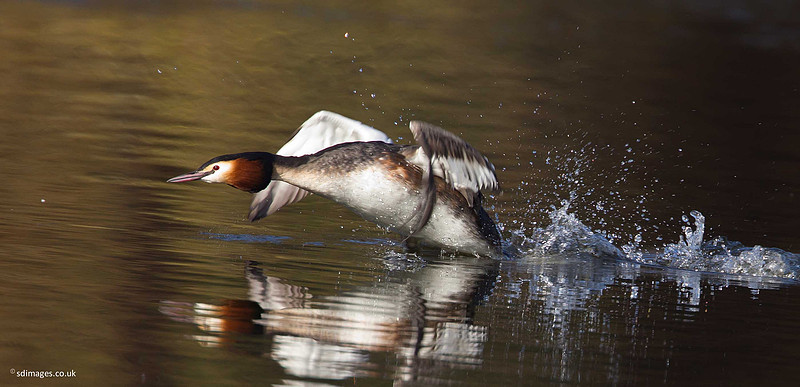
At one of my local waters Great Crested Grebes do their weed dance
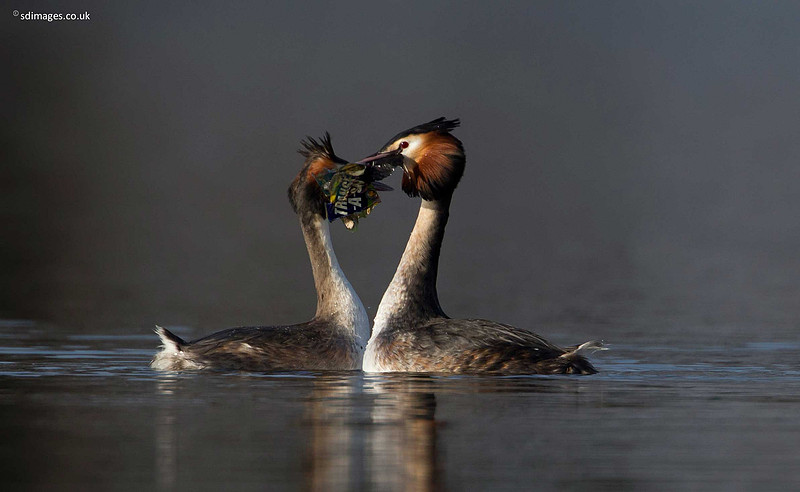
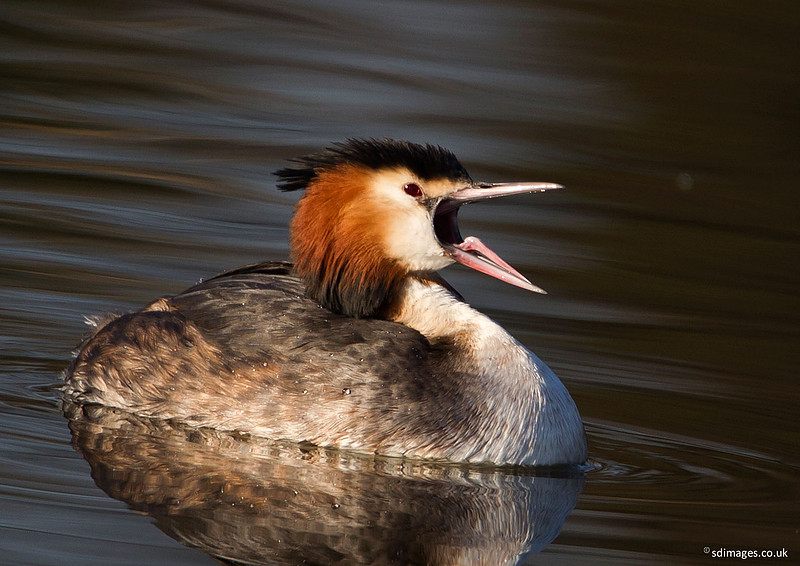
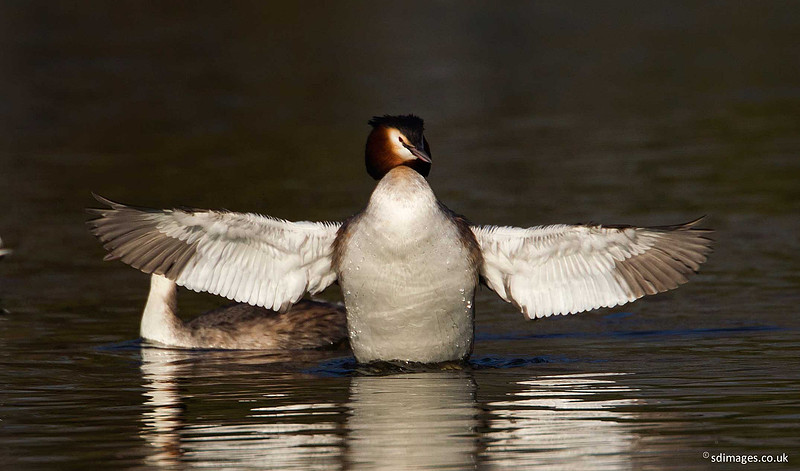
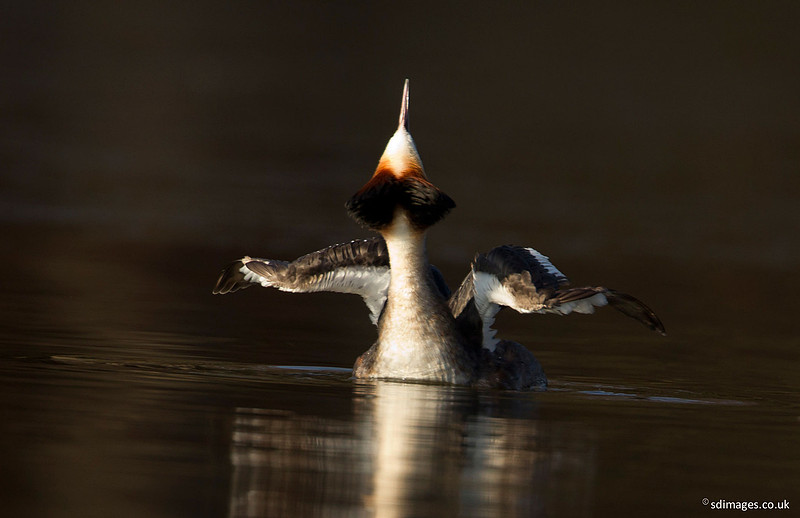
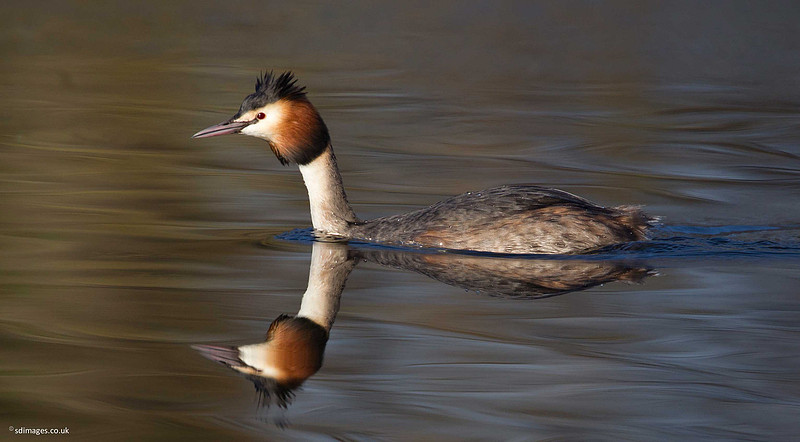
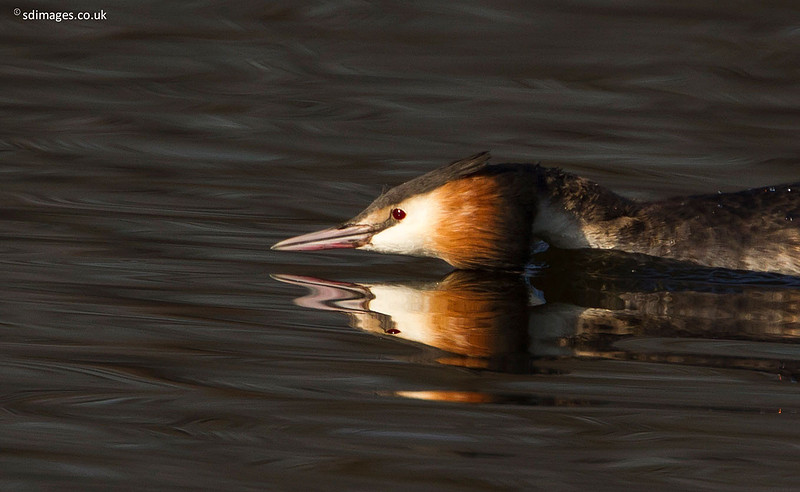
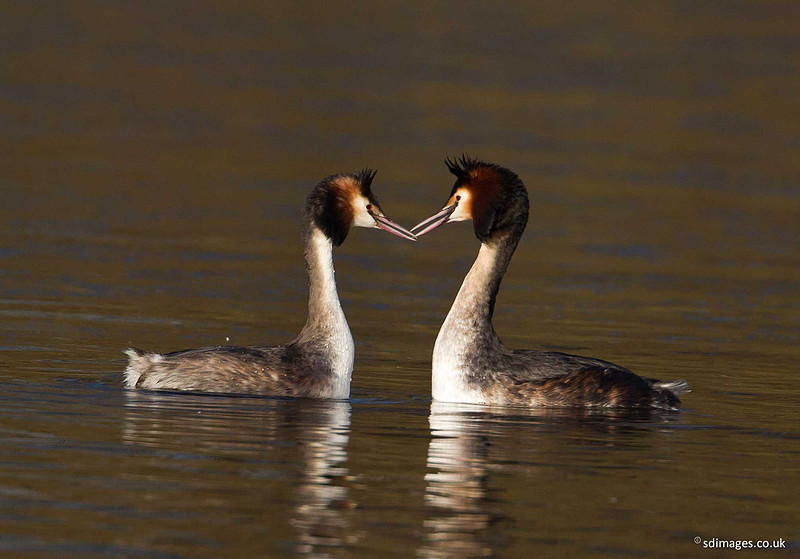
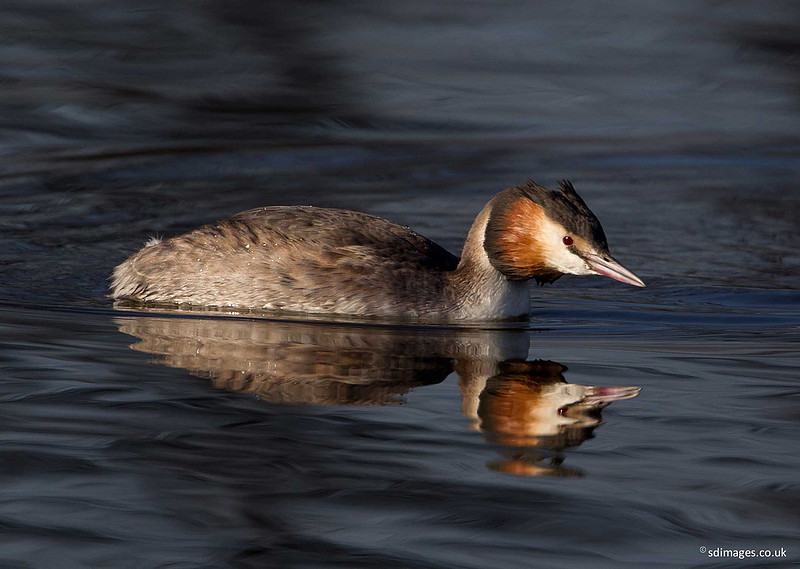
More in the Great Crested Grebe folder
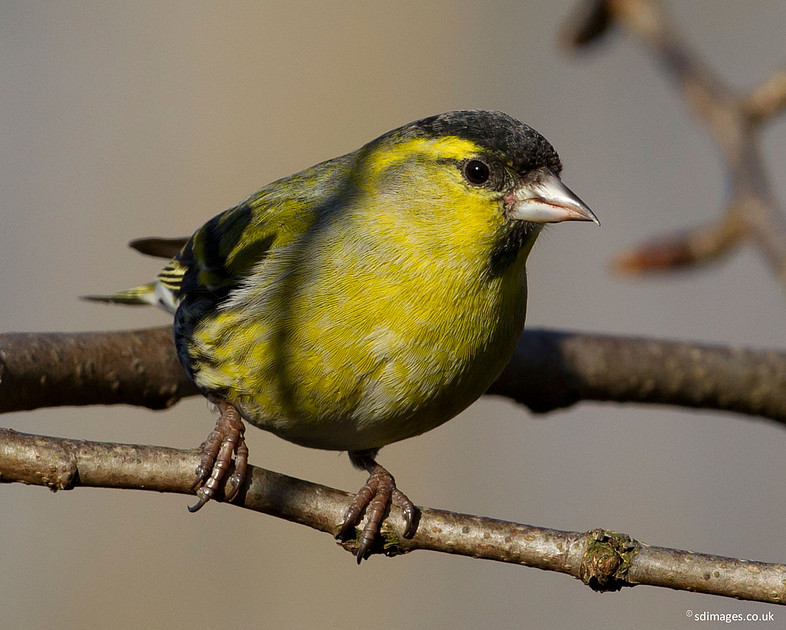
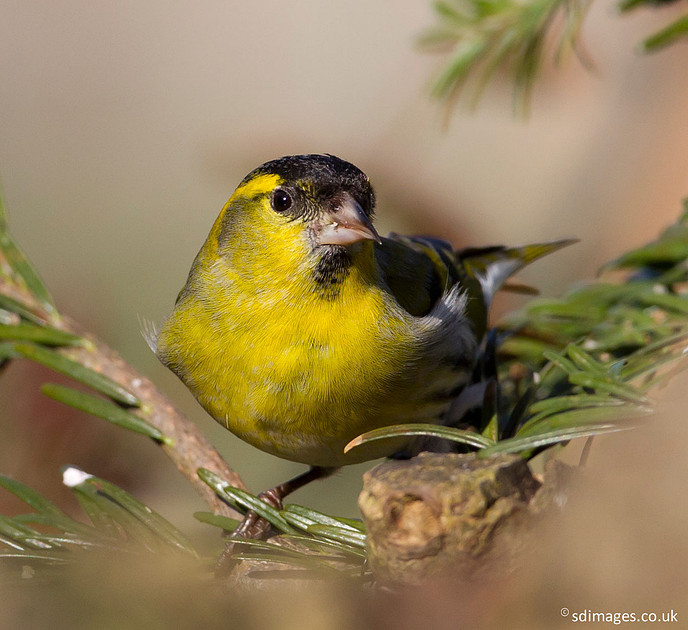
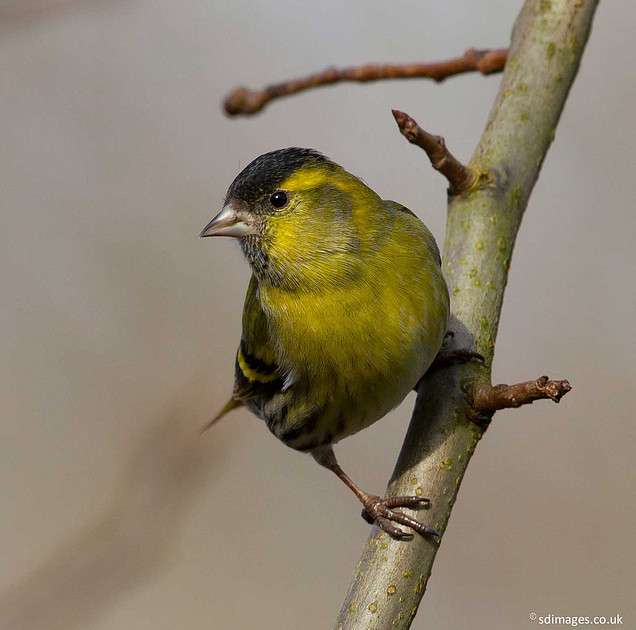
Redpoll and the Siskins
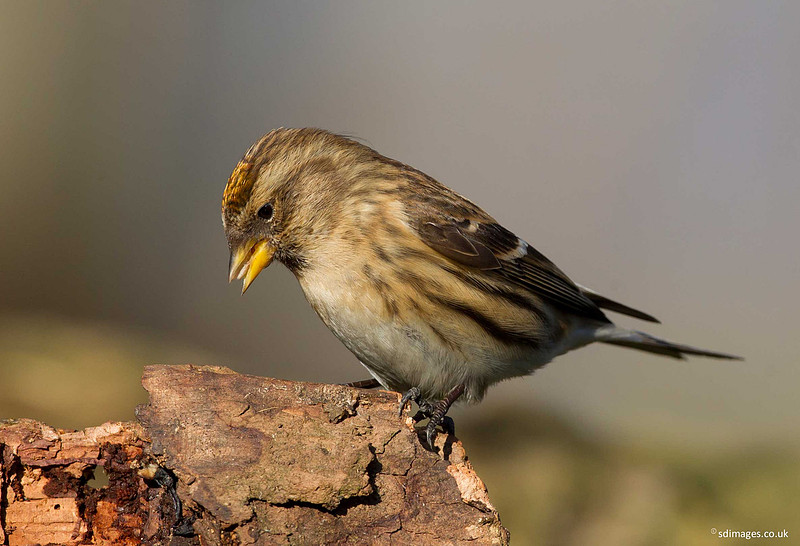
This Redpoll turned up with the Siskins
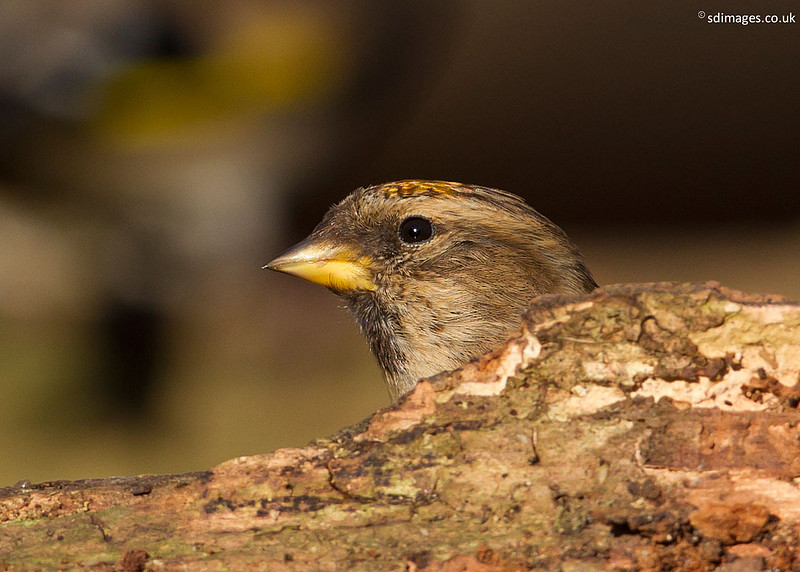
With a bit of luck it could bring the rest of the family
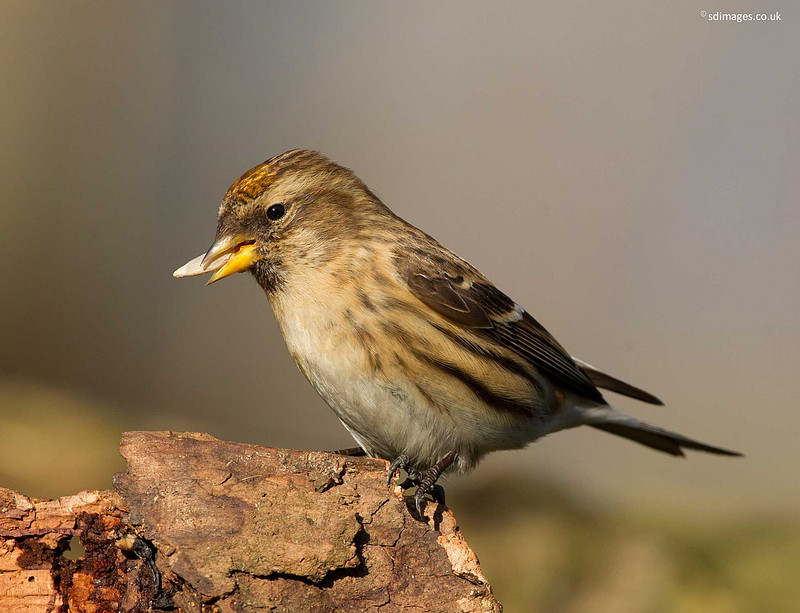
I scanned the Siskins and Goldfinches to see if anymore Redpolls were with them sadly this seems to be the only one.
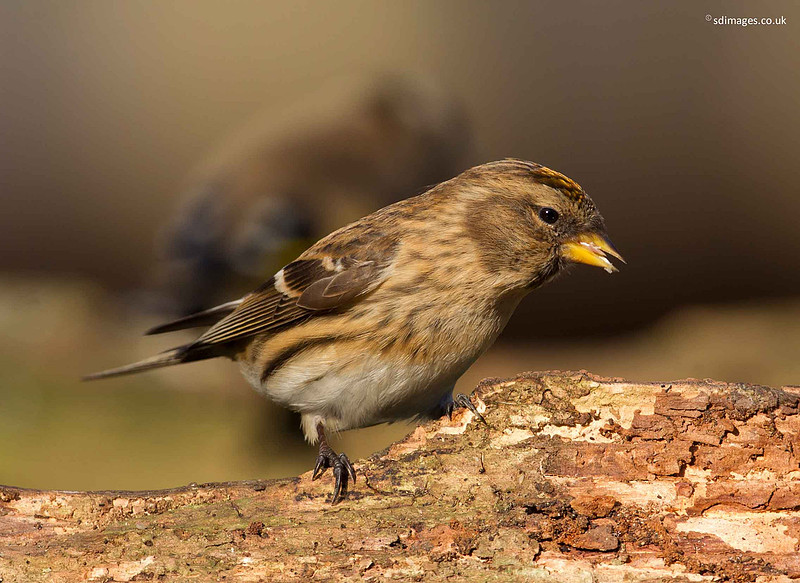
More in the folder
Siskins in the garden

It’s great to see lots of Siskins in the garden this year, the most I have ever had.

After a good feeding session the Siskins land to take a drink at the watering station I have set up.


More later
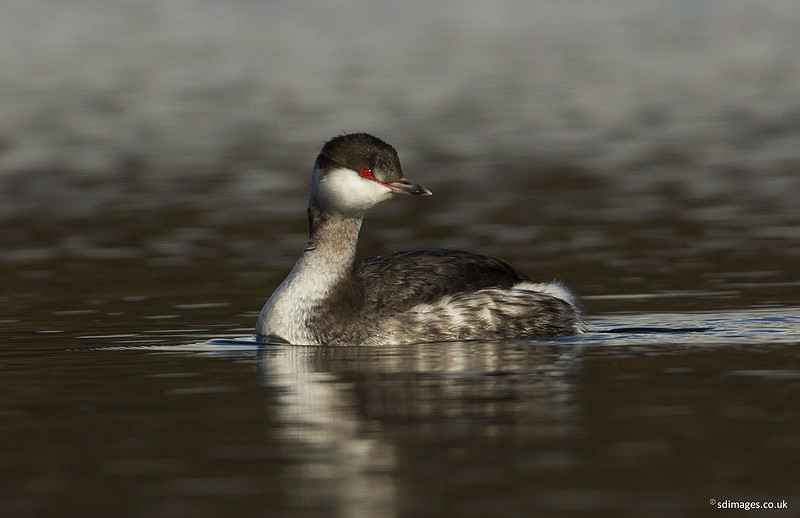
Last visit for the slavonian Grebe
I called in at Astbury Mere for my last visit to photograph Slavonian Grebe. I arrived late morning and found the bird it its usual spot. Peter and Susan Wilson had the same idea and were taking some photographs; their web site www.astlandphotography.co.uk is worth a visit.
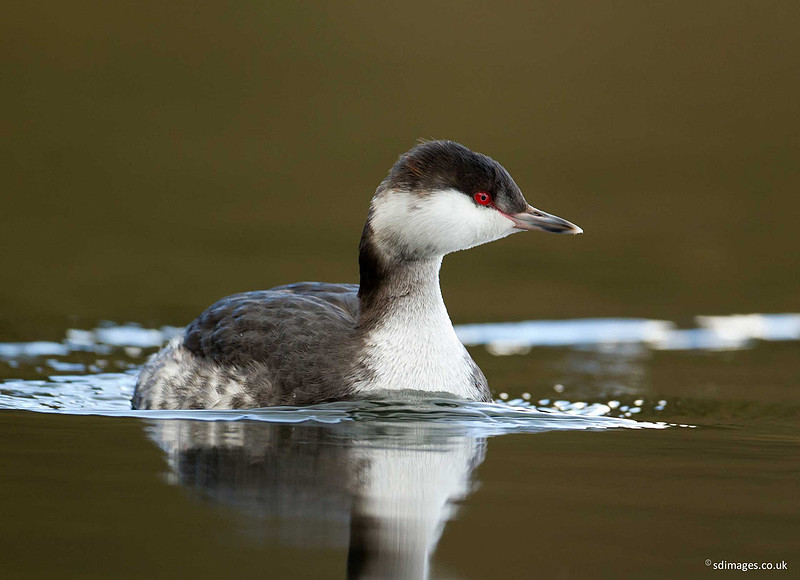
The light was not great and it didn’t last long but the bird continued to put on a show
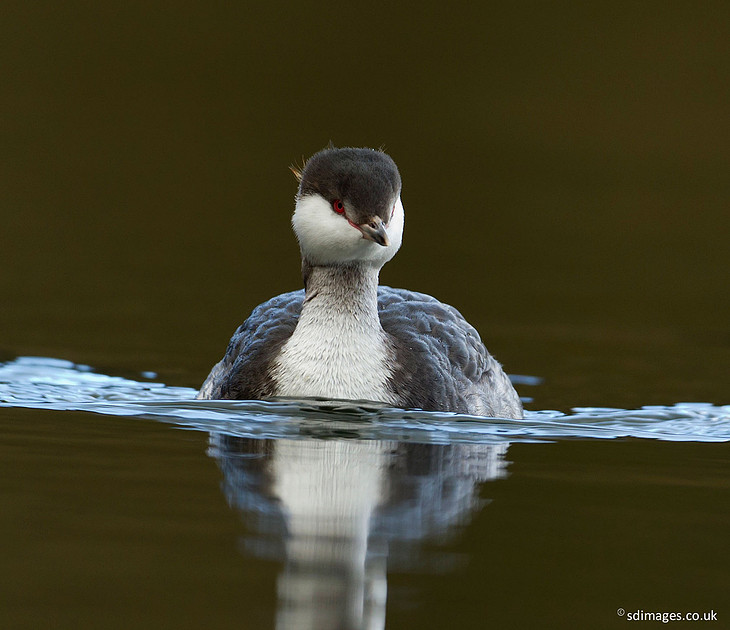
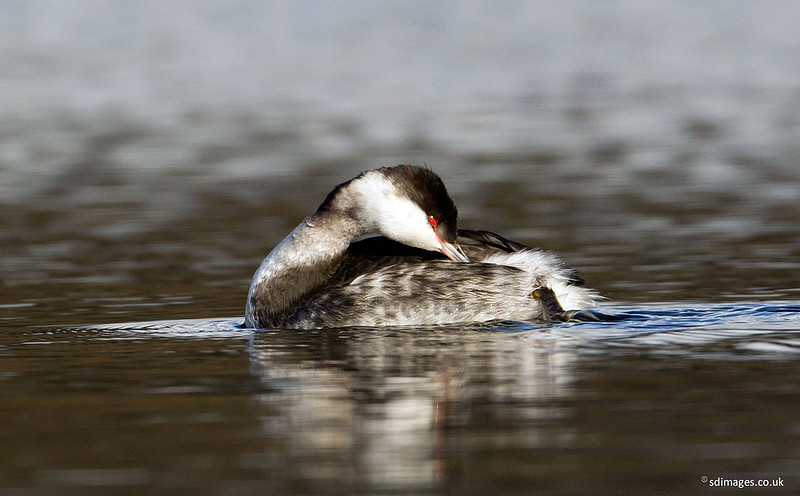
The light soon faded so after a few shots I left for home
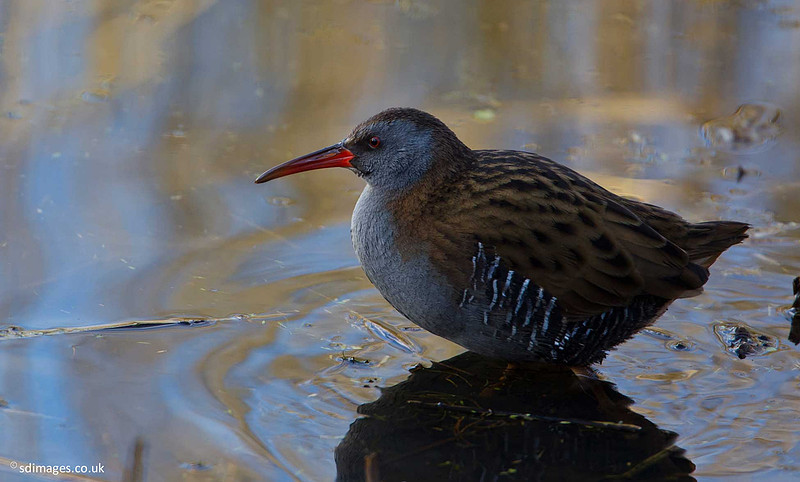
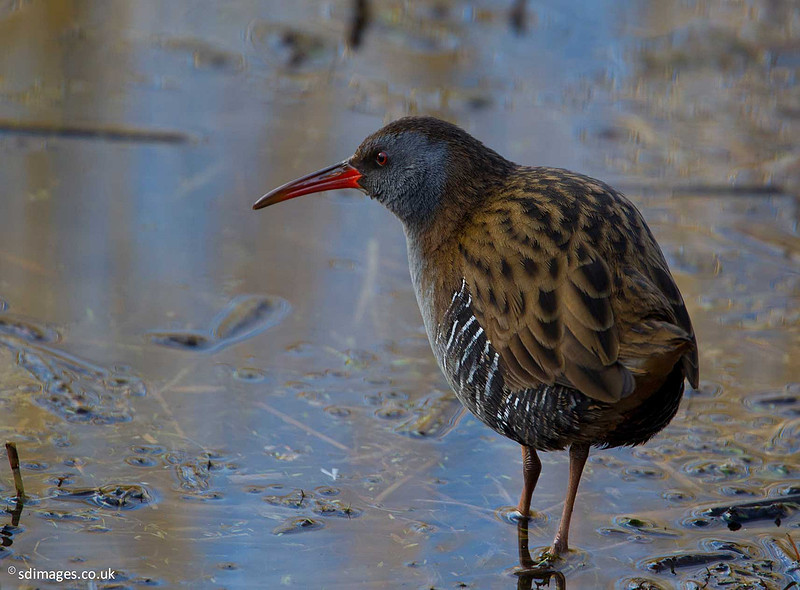
Water Rail
Water Rail at Mere Sands Wood Nature Reserve Lancashire
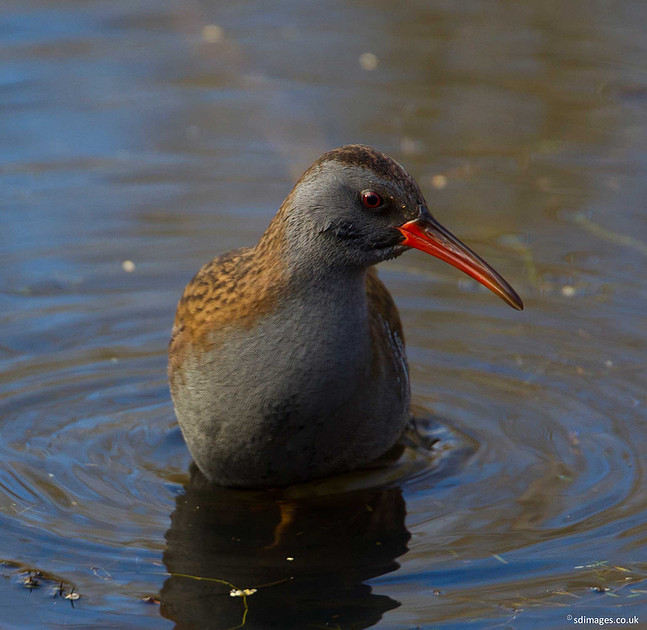
Mere Sands Wood is run by Lancashire Wildlife Trust
Info from Web site
Mere Sands Wood is a wildlife-rich haven in the heart of agricultural west Lancashire. The reserve covers 42 hectares (105 acres) and is made up of lakes, mature broadleaved and conifer woodland, sandy, wet meadows and heaths. The management of the reserve is designed not only to encourage wildlife, but also to provide facilities for people to visit and enjoy seeing the wildlife. The site is nationally important for wildfowl and dragonflies, as well as its geology, and has a fascinating history. It stands on an area of layered sand and peat, which was deposited by the wind over boulder clay during the last Ice Age, and by periods of water logging following this period.
The sand and peat layers have remained almost undisturbed since this time and are therefore of international importance in the understanding of the changes that occurred to the Lancashire coastline since the ice retreated northwards.
This geological interest warranted the reserve being designated as a Site of Special Scientific Interest (SSSI) in 1985. The name 'Mere Sands' dates back to medieval times when the area was on the shore of a large lake called 'Martin Mere'. The lake was gradually drained for agriculture along with large areas of surrounding peatland. Lord Hesketh planted the original woodland on the site in the mid-nineteenth century and Rhododendron was added later.
The sand proved to be of value for glass-making and extraction companies quarried the site between 1974 and 1982. During this period, the Trust members and the local community worked with Lancashire County Council to require the extraction company, under a planning agreement, to landscape the site into a nature reserve once the extraction was completed.
Close liaison with the quarrying company ensured that belts of the best woodland were left undisturbed during extraction to save as much wildlife as possible and screen the works. Extracted areas were landscaped into shallow-edged lakes with marsh and dry heath conditions nearby. On completion of the sand winning in 1982, the Trust acquired the site.
Since 1982, many thousands of hours have been invested by Trust volunteers, government trainees and staff developing the site into its present form. Hides have been built, footpaths established and reedbeds have been encouraged. The Reserve continues to develop and there are many opportunities for people to share in this work.
The mature woodland is mainly Birch with some Oak but there is also a mature Scots Pine plantation in the south-east corner, which supports a small population of red squirrels. Other mammals that inhabit or visit the reserve include foxes, rabbits, stoats and roe deer. Water voles and hares are found on neighbouring arable land.
Much Rhododendron has been removed from the reserve, which has allowed the re-establishment of the native flora such as Broad Bucker Fern, and several species of Bramble. Over 200 species of fungi have been recorded on the reserve. The lakes are developing an interesting aquatic flora; some of this has been augmented with the establishment of locally sourced reed beds on the lake shores.
Wet grasslands and dry heaths occur on areas refilled after sand extraction and now support many wildflowers including Marsh Helleborine, Common Spotted, Early and Southern Marsh and Bee Orchids and notable populations of Golden Dock, Yellow Bartsia, Yellow-wort, Lesser Centaury and Royal Fern.
Perhaps the main wildlife interest at Mere Sands Wood is the over-wintering birds. Winter wildfowl populations include nationally important numbers of Gadwall and Teal, as well as Wigeon, Pintail, Shoveler, Pochard, Tufted Duck, Goldeneye and Goosander.
Locally important species include Mandarin Duck and Kingfisher and there are annual sightings of Willow Tit and Lesser-spotted Woodpecker. Breeding species include Great Crested and Little Grebes, Shelduck, Gadwall, Pochard and Tufted Duck, alongside Little Ringed Plover and Lapwing. Birds that breed in the woodland include Sparrowhawk, Kingfisher, Great Spotted Woodpecker, Treecreeper, and Redpoll alongside the common tit and warbler species.
Turtle Dove and Quail breed occasionally. In all, over 170 bird species have been seen on the reserve, of these 60 are known to have bred.
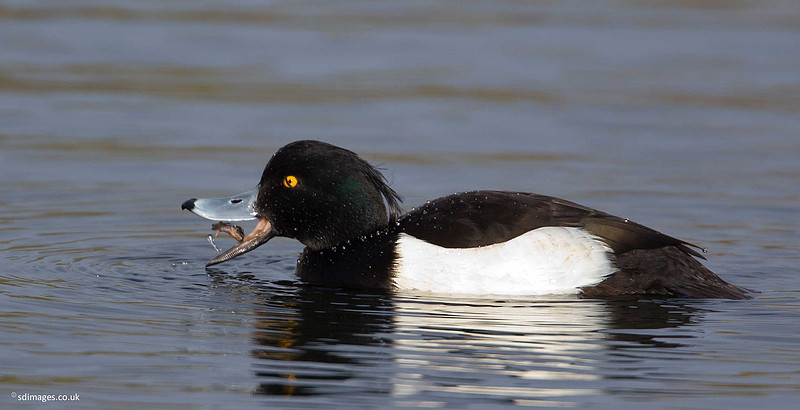
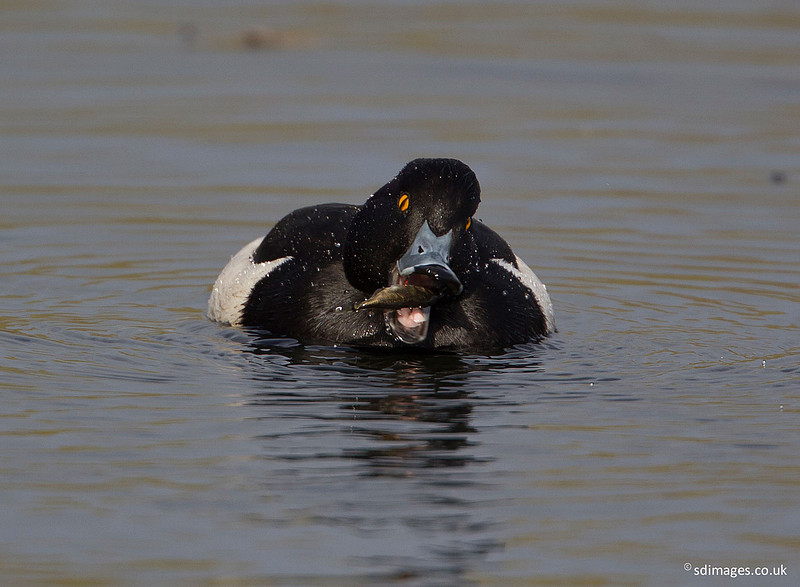
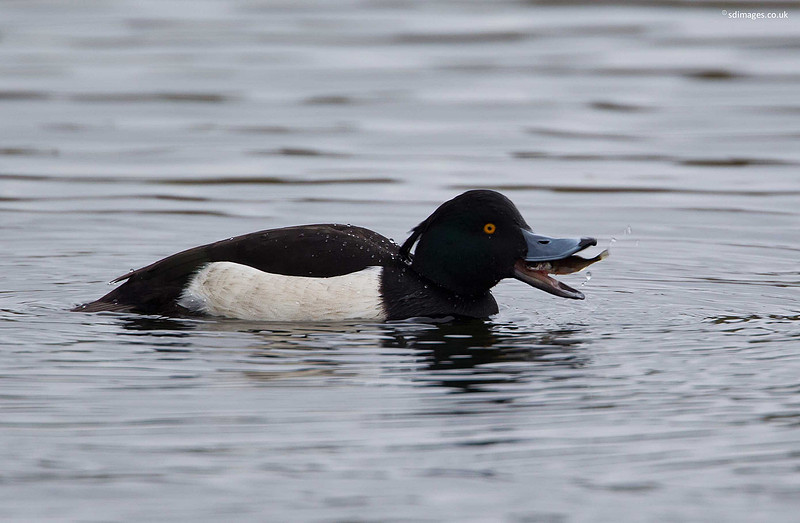
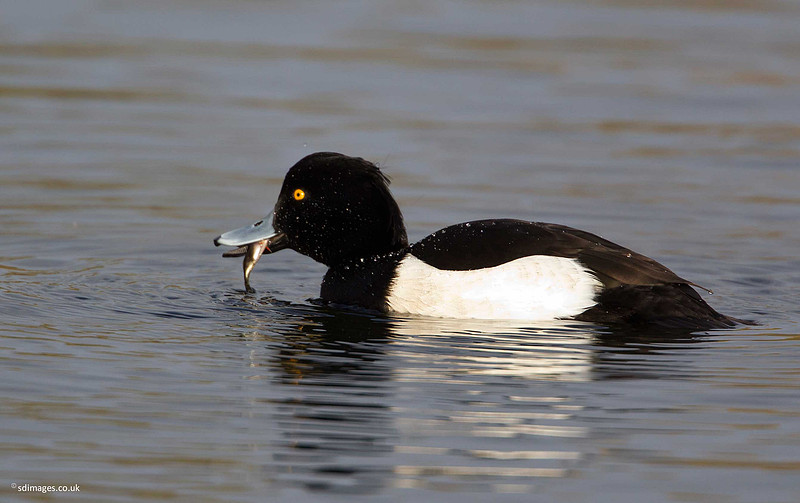
Tufted Ducks at Moore
Tufted Ducks feeding on Sticklebacks, not something I have seen before.
Smew at Moore Nature Reserve