Home»Blog
 Hello and welcome
I have always had a keen interest in wildlife and the great outdoors;
I was an Angler for over 30 years but gave it up a few years ago to
concentrate on photographing wildlife. I lived in Runcorn; Cheshire a
short distance from the M56 that gave me great access to the Wirral,
Northwales and Lancashire, with some great countryside on my doorstep
I didn't have to travel too far in search of wildlife and photographic
opportunities.
Some of my wildlife photographs range from as far afield as Cuba,
Antigua, Saint Martin, Saint Lucia, Dominican Republic, Tuscany ,
Corfu, Turkey, Spain, Portugal.
I now live in the Charente area of western France.
A Place in the Sun
Not pressed the shutter on the camera since returning from France over two weeks ago.
Our visit to France was to find our own Place in the Sun. It will be perfect for us and the family with its slower pace of life.
Our intention is to have a holiday home and use it as often as we can. Not much happens in the Limousin area of France as it is largely used for agriculture.
It has some very big leisure lakes that get well used in the summer and attracts visitors from all over France and Europe they are also great for wildlife.
The Limousin is the size of Wales with varying habitats from mountainous heavily wooded regions to rolling hills overlooking woods and pasture to flat fields. Another bonus it that the Limousin area of France is a major migratory route for birds.
The Limousin has some large towns and is peppered with small hamlets. The lack of traffic reflects the population numbers out of the towns (its great).
Flights from Manchester and Liverpool are inexpensive and you could drive if you wanted to.
After landing at Limoges international airport we headed off to La Souterraine our first port of call to the gite which would be our base for a few days as we checked out the surrounded areas for a suitable property.
From the Haute Vienne to the Creuse and the Charente areas of France our journey ended after nine days. With over two thousand miles covered and numerous viewings carried out. With some great properties seen and some not so good we finally found one which came with two acres of woodland near Rochechouart set in small hamlet.
If all goes to plan we should be in our place in the sun by the end of January 2014 and photographing some great wildlife.
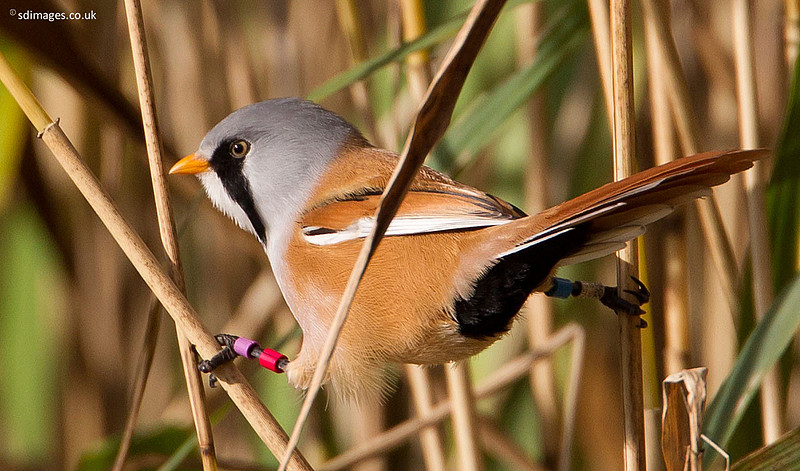
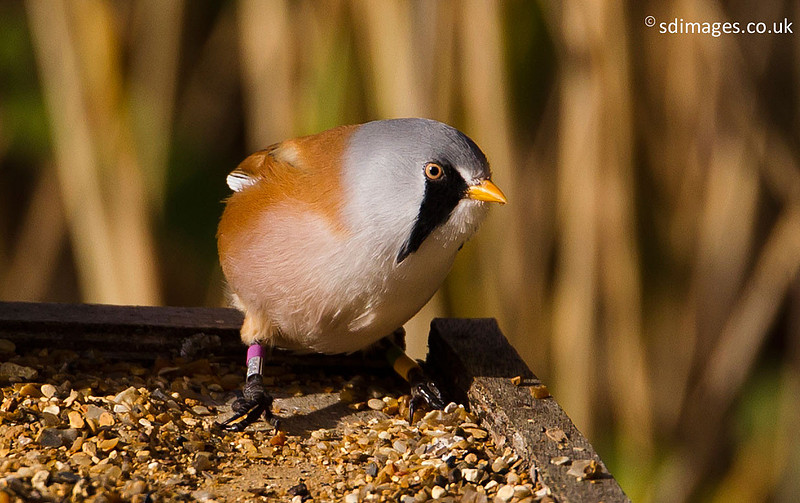
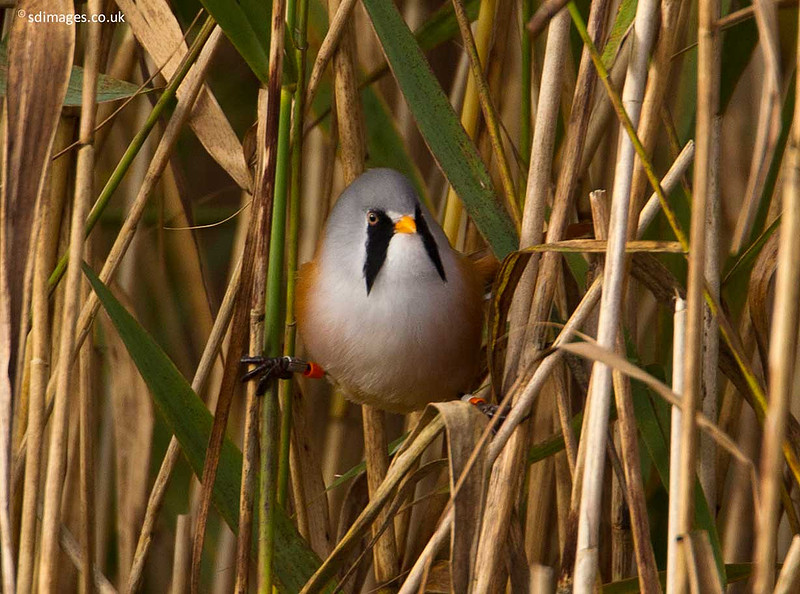
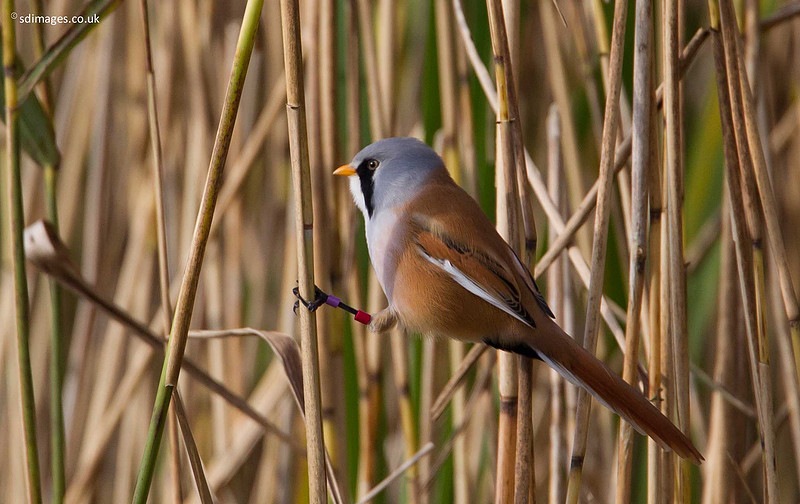
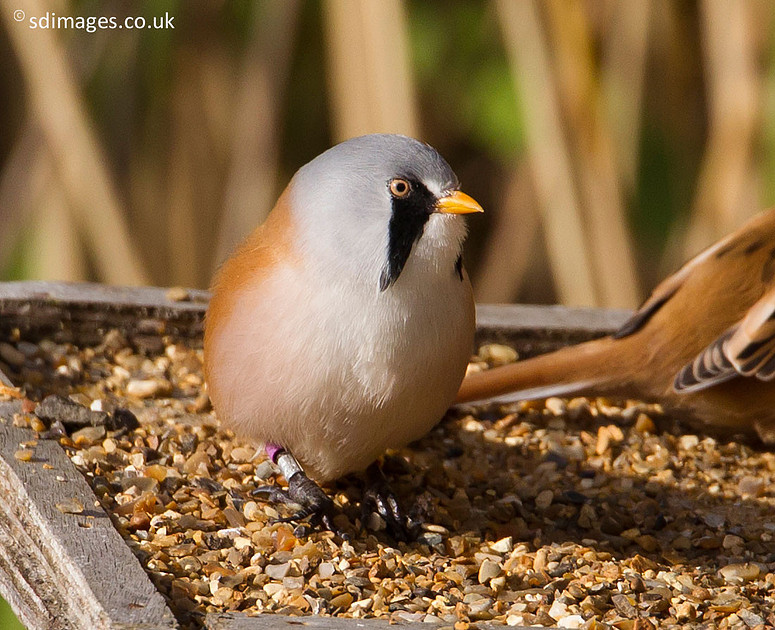
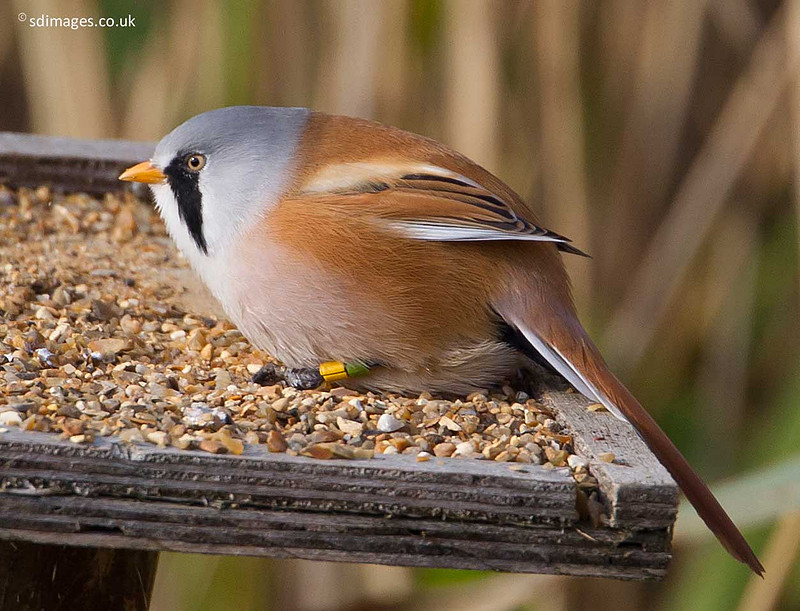
Bearded Tits Leighton Moss RSPB
Bearded Tits at RSPB site, Leighton Moss
 A92X6841
At this time of year Bearded Tits can be seen eating grit from the grit tables just off the causeway on the approach to the public hide.
 A92X6940
 A92X7130
 A92X6995
 A92X7206
More in the folder
RSPB Leighton Moss
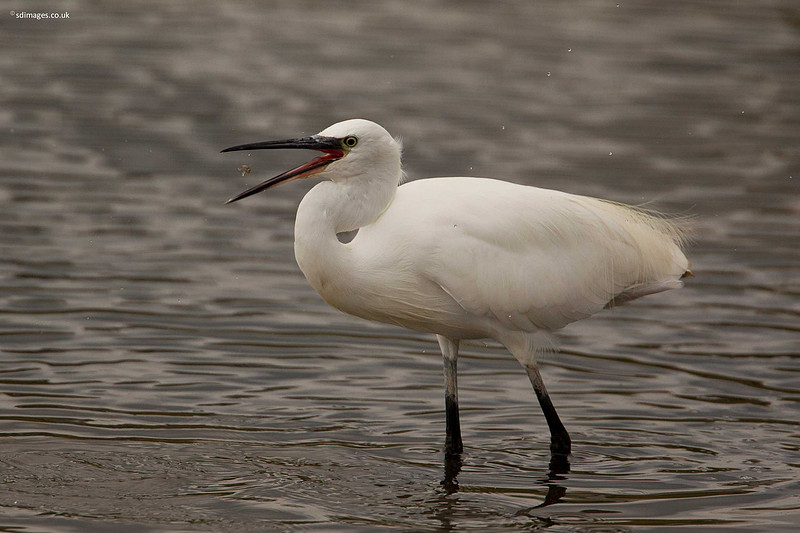
Little Egret at the Eric Morecambe Hide RSPB Leighton Moss.
 A92X8037
The small fish and shrimps don’t stand much chance
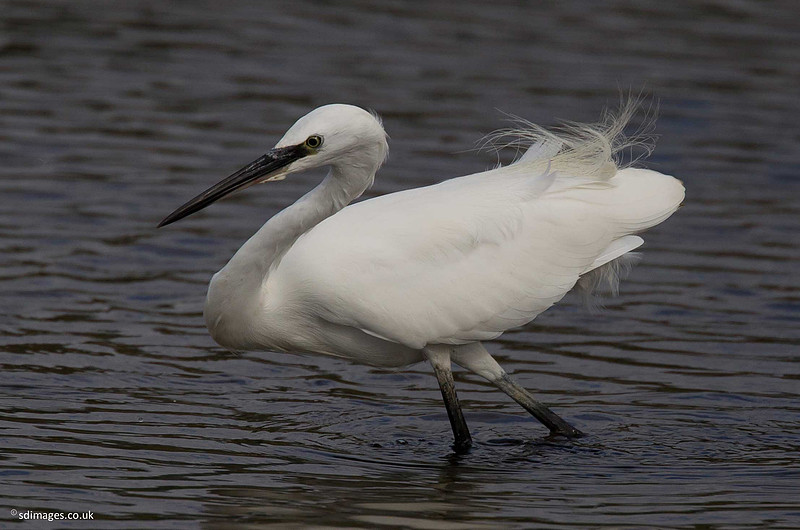 A92X7682
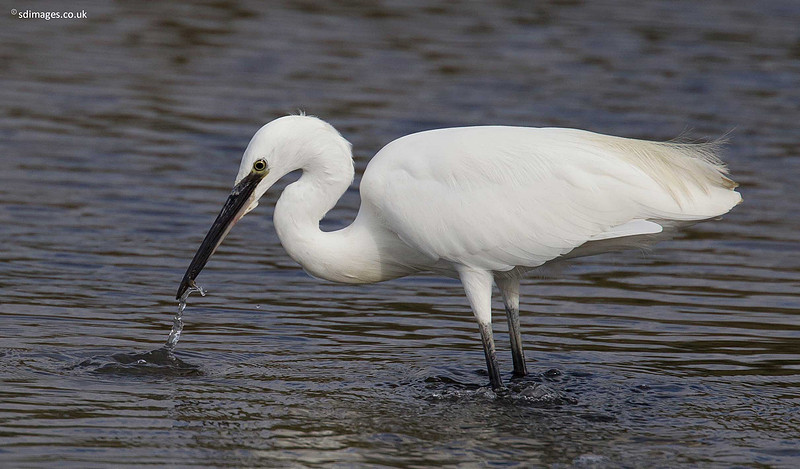 A92X7664
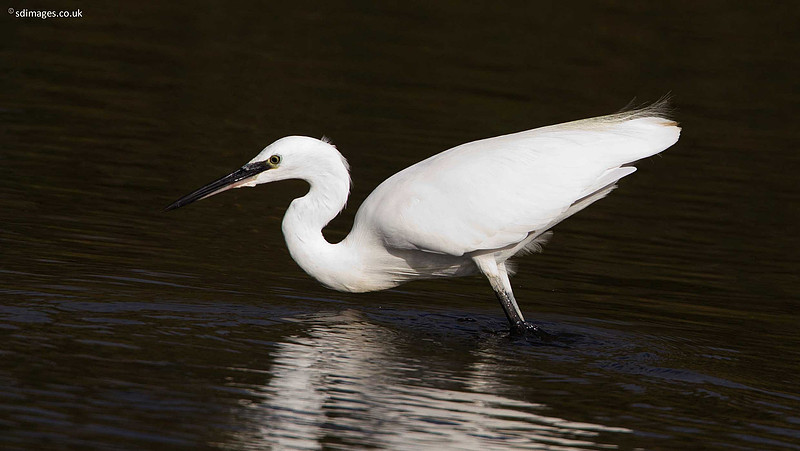 A92X7453
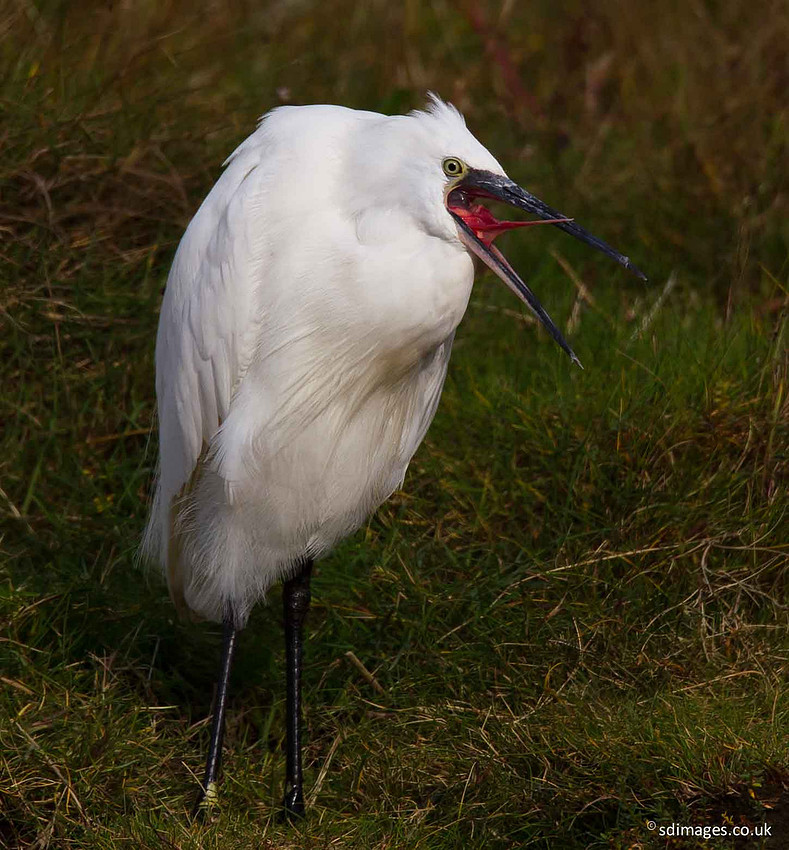 A92X8006
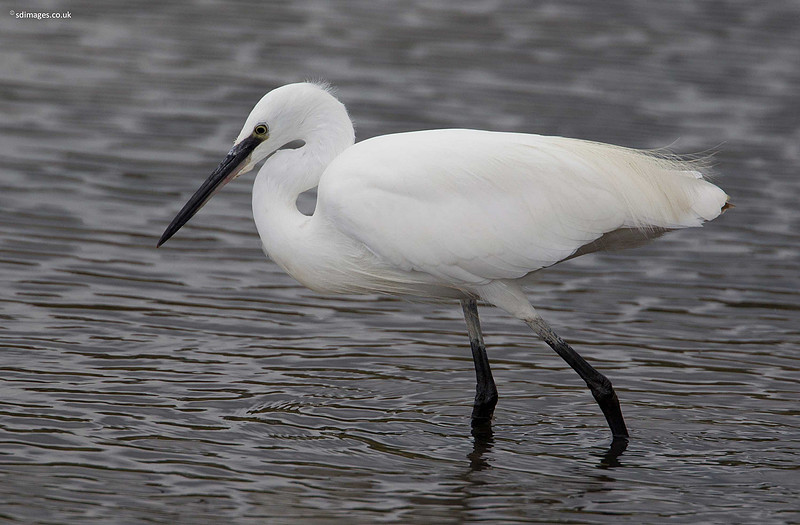 A92X8040
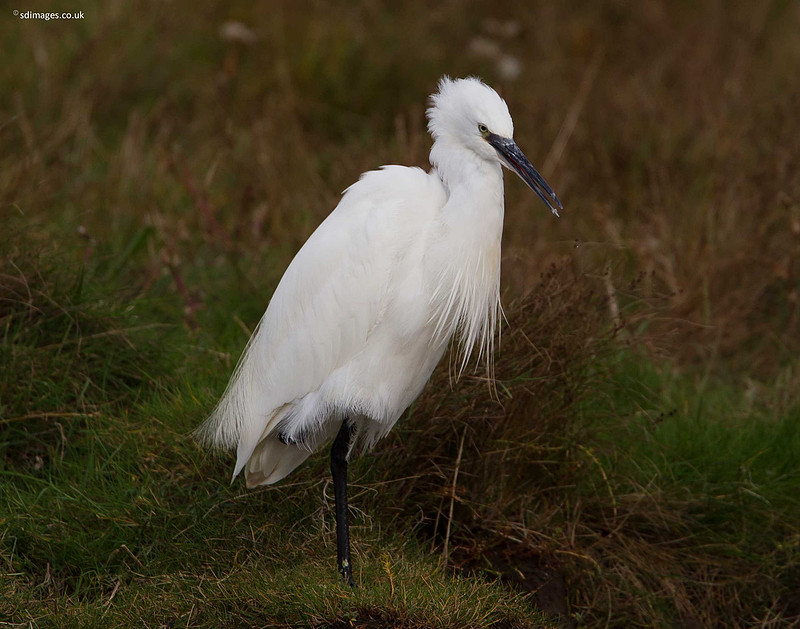 A92X8027
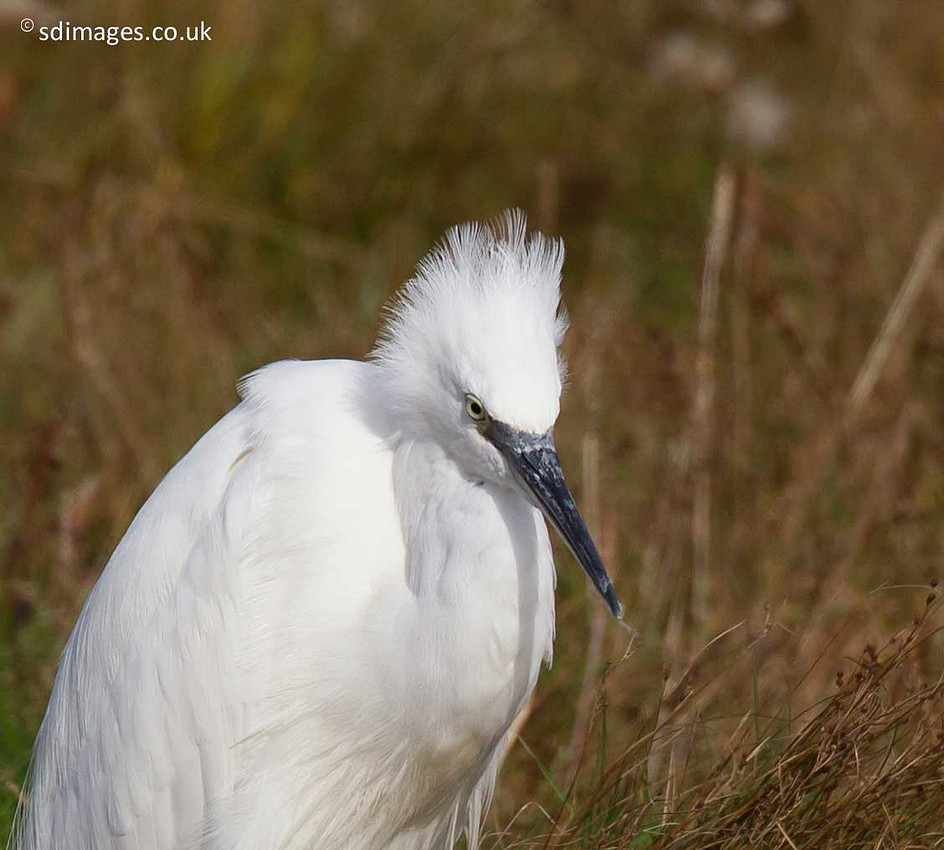 A92X7954
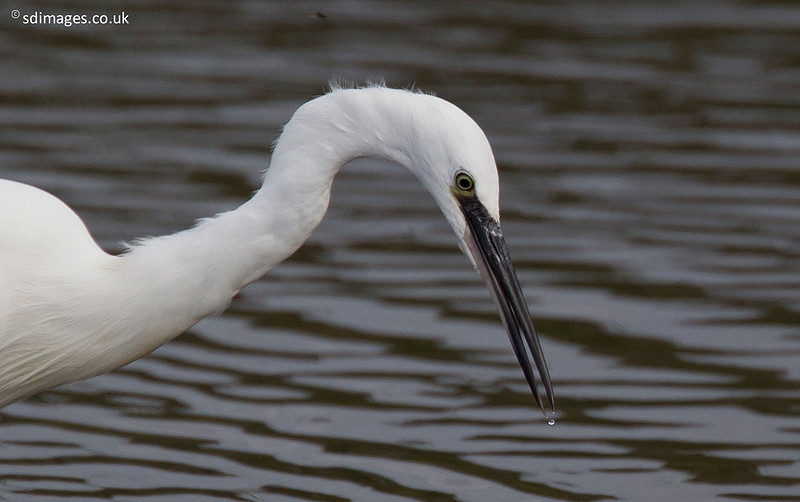 A92X7743
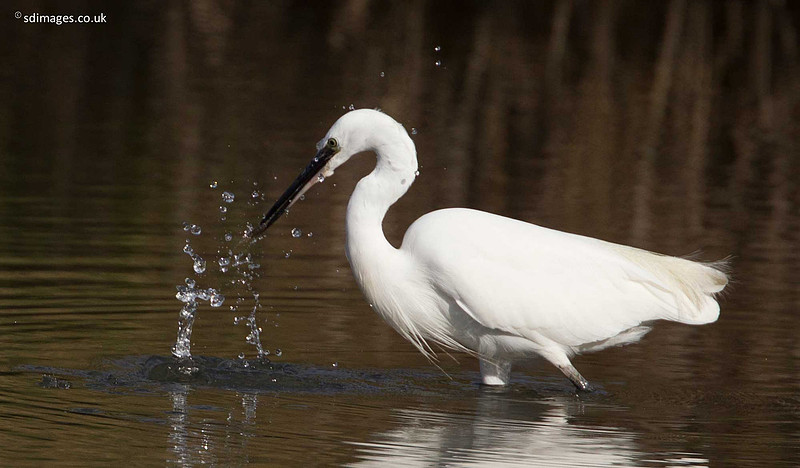 A92X7751
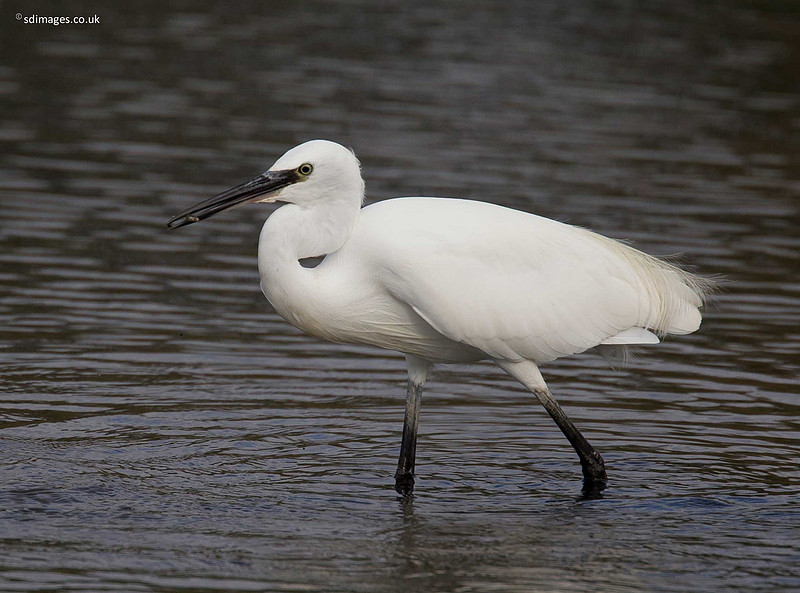 A92X7712
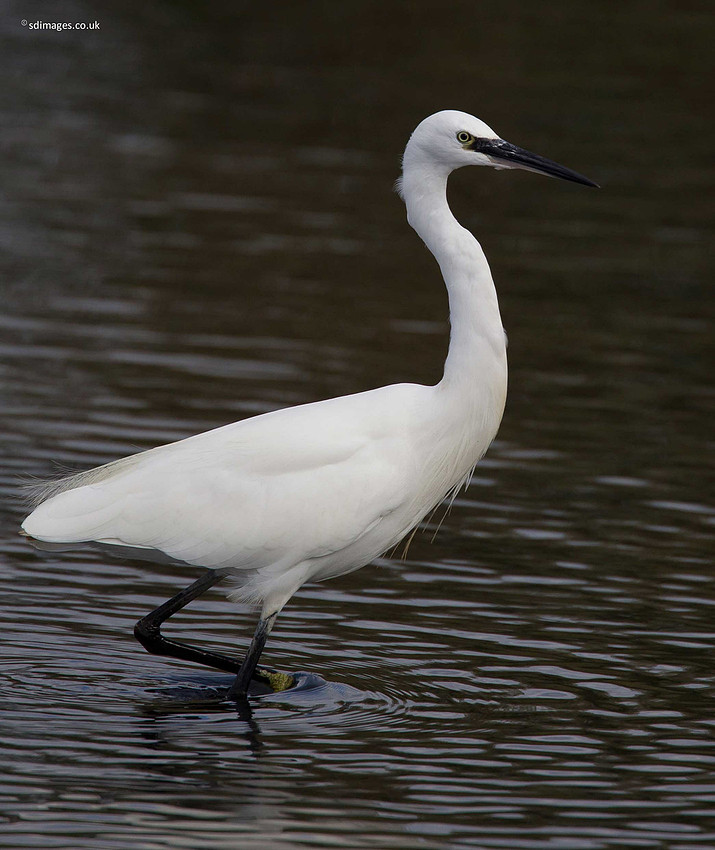 A92X7724
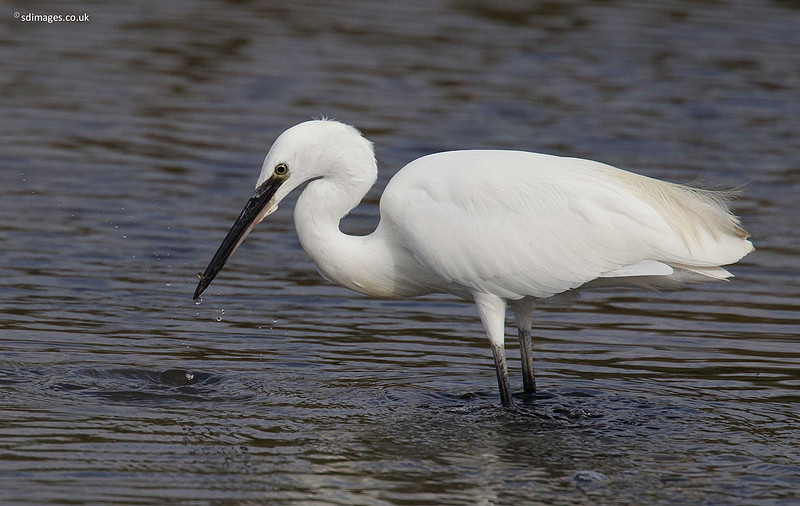 A92X7665
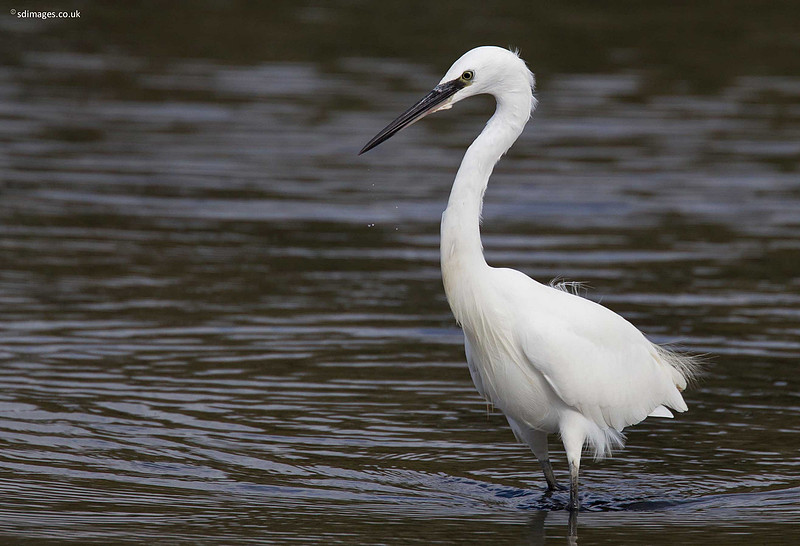 A92X7635
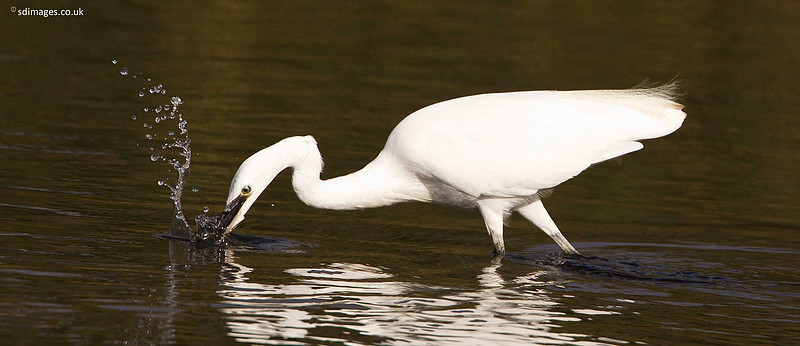 A92X7472
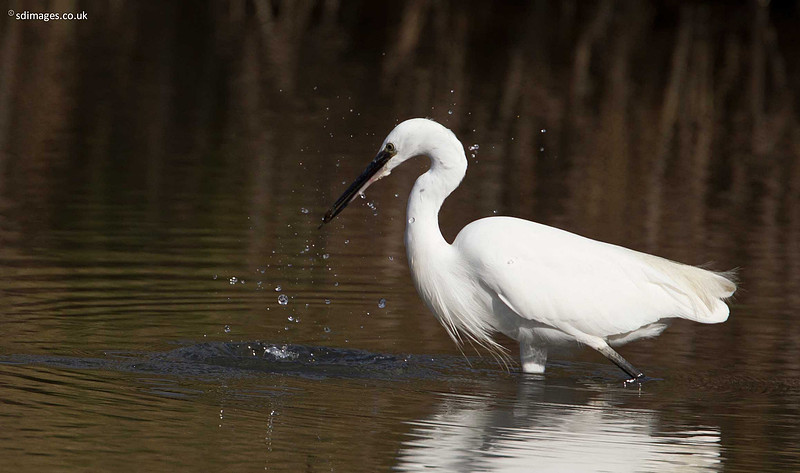 A92X7752
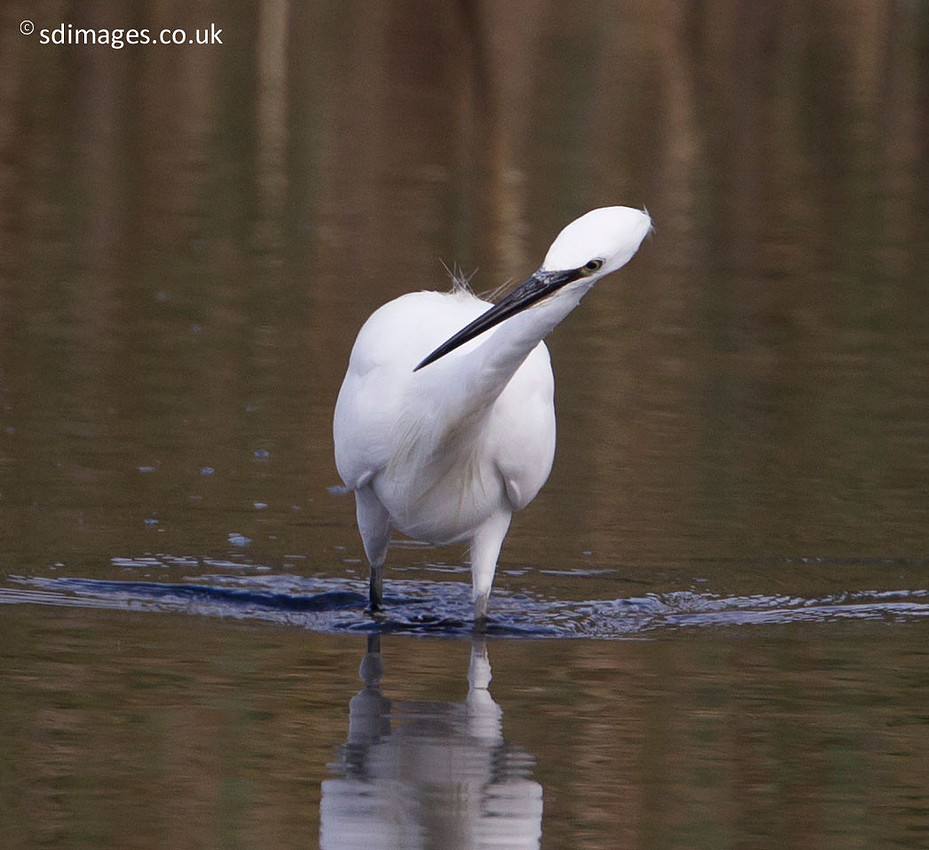 A92X7598
That reminds me
Just going through my Little Egret photographs from Leighton Moss when I found some old ones in the folder
so I thought I would upload these ones first.
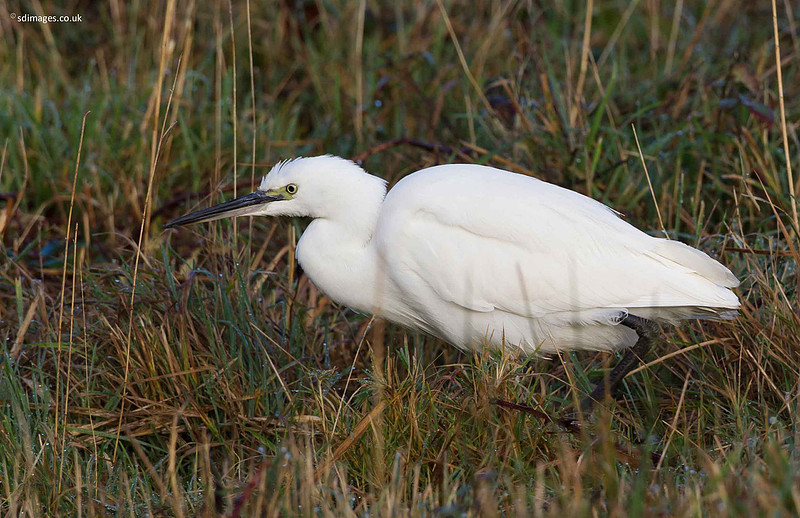 A92X2624
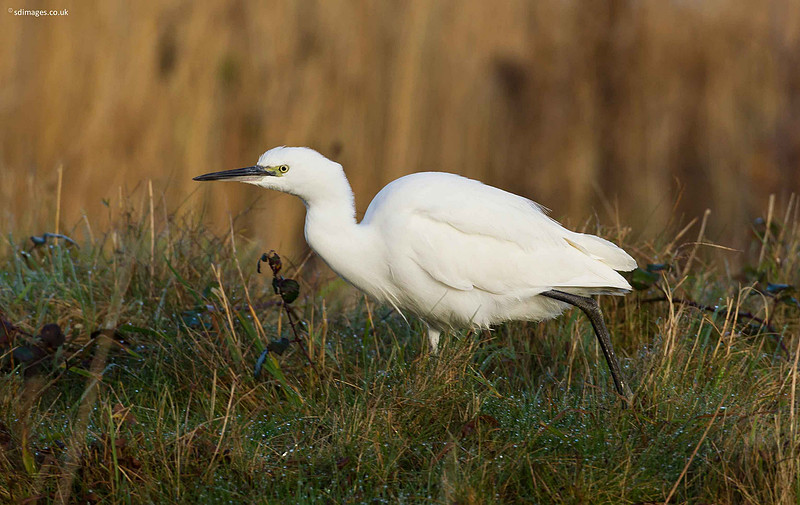 A92X2606
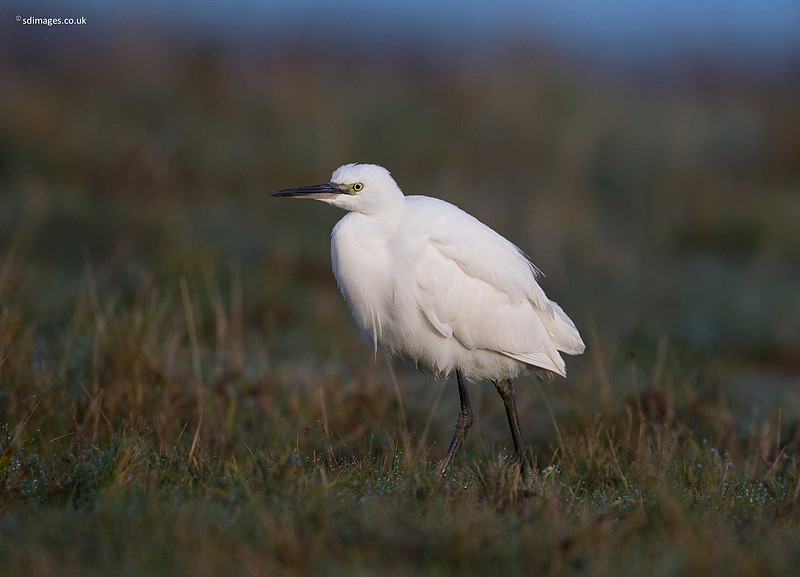 A92X2592
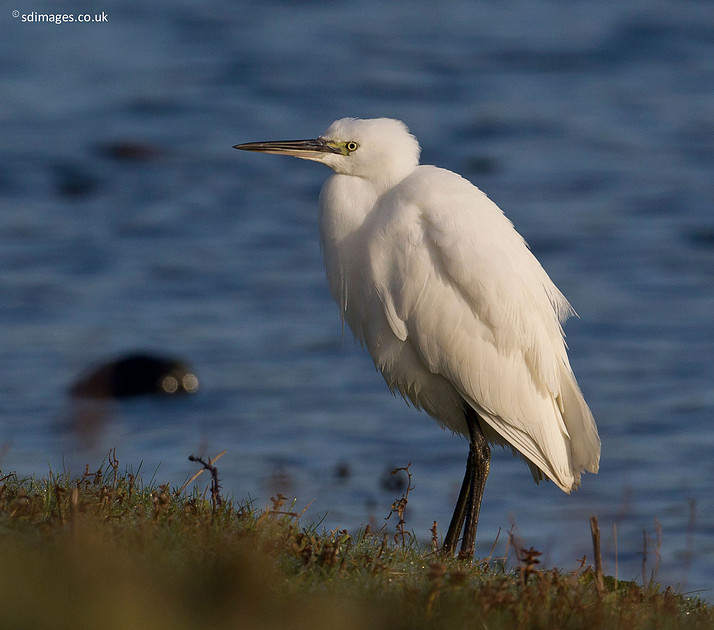 A92X2545
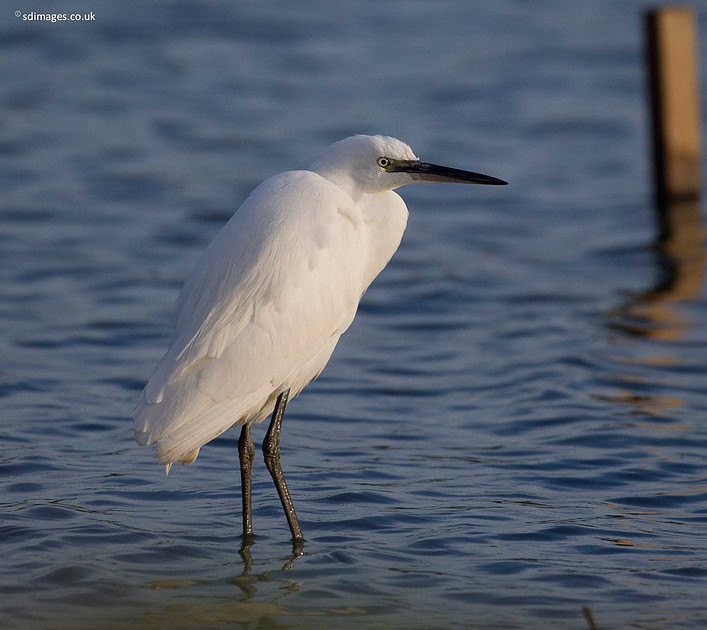 A92X2533
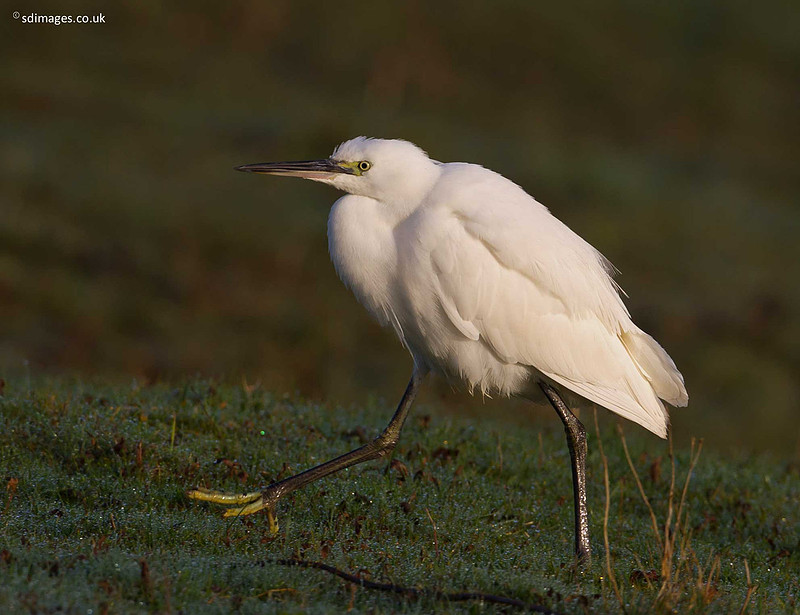 A92X2559
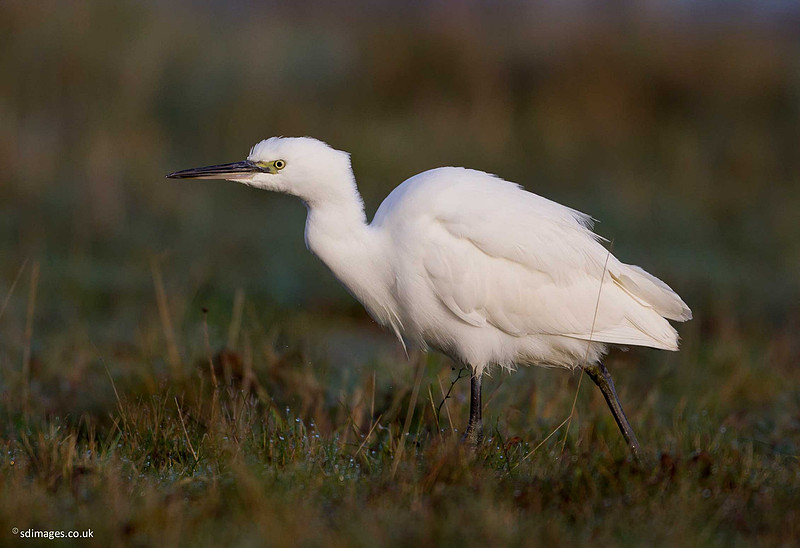 A92X2586
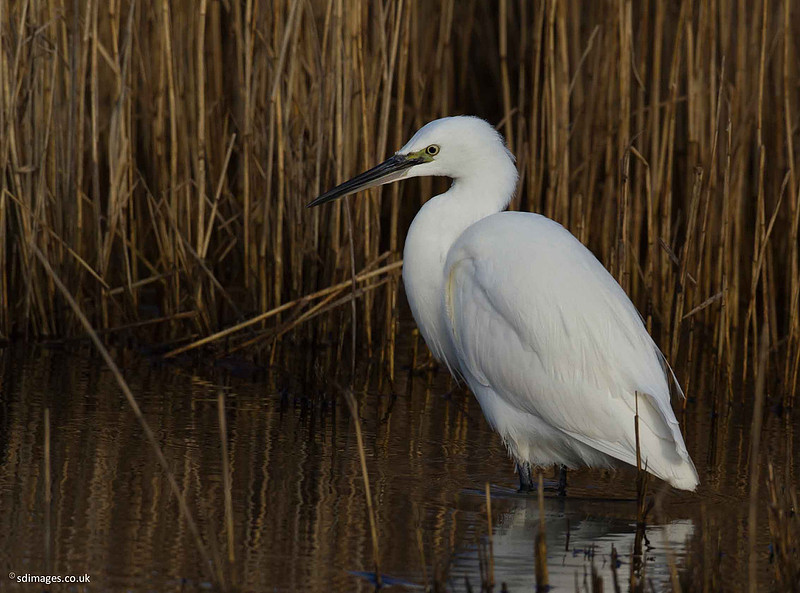 A92X2630
In at the deep end
Water Rail
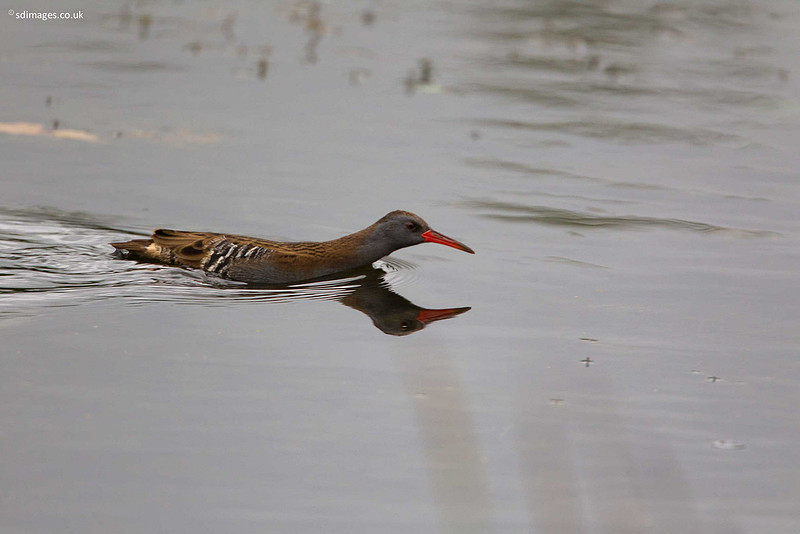 A92X6651
Shame its a rubbish shot but that’s what happens when your not ready for the unexpected.
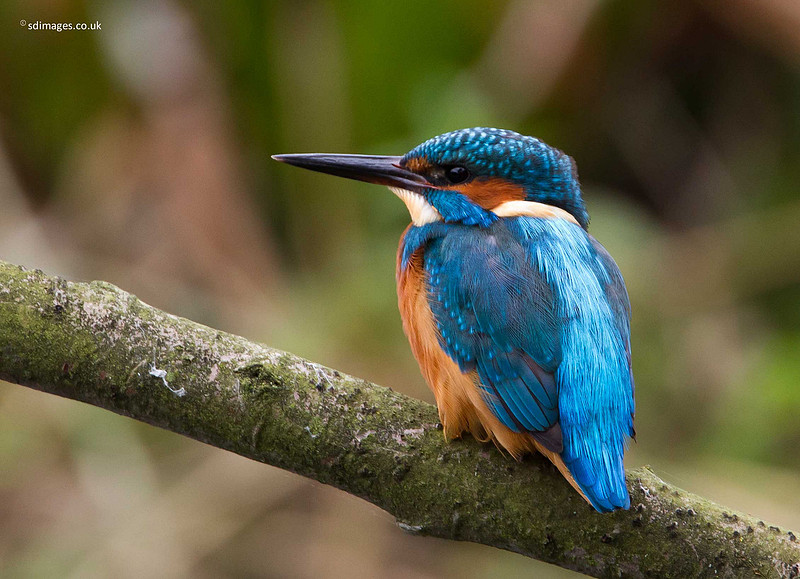 A92X6625
The kingfisher shots aren’t anything to write home about due to the very slow shutter speed.
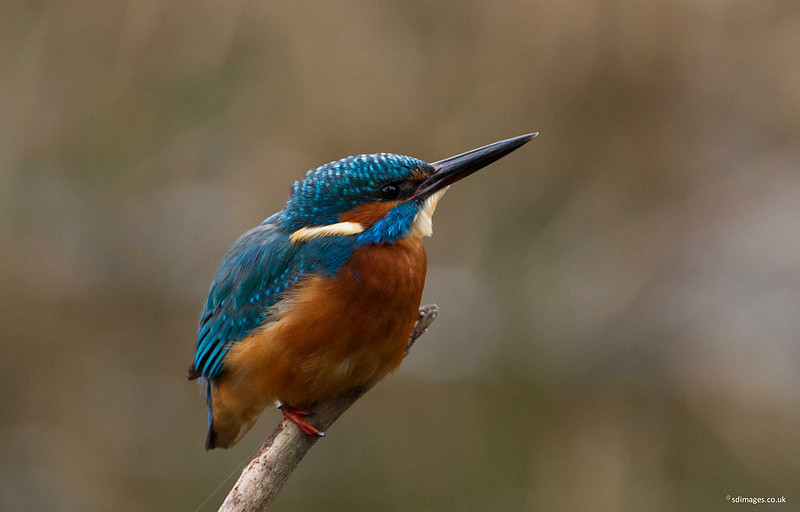 A92X6591
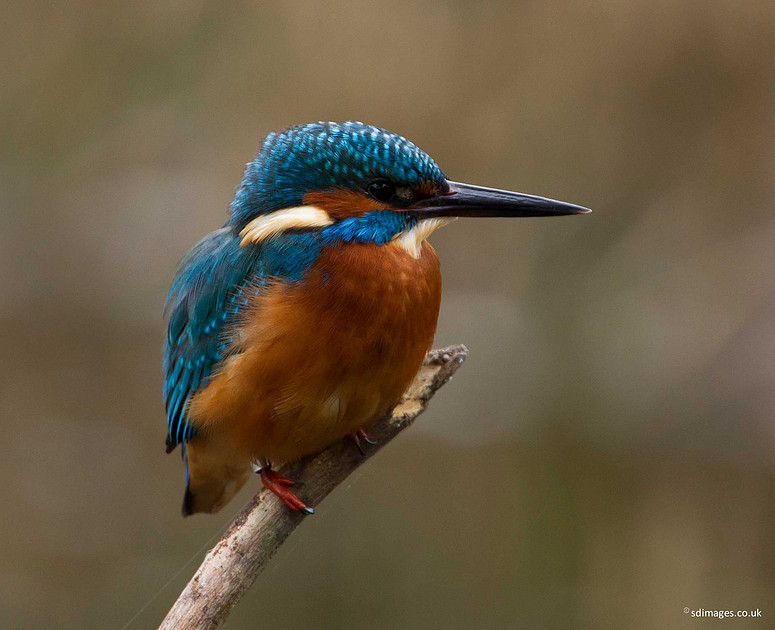 A92X6573
Anything can turn up
I decided on an early start in my quest for better Kingfisher shots, getting into position just as the Sun worked its magic on the lake.
As I waited for the Kingfisher to announce its arrival a Water Rail sneaked out of the reedbed to my left and cautiously made its way to the right-hand reedbed.
 A92X6206
 A92X6210
I managed a few shots just before it disappeared again.
 A92X6264
Another surprise visitor was a young fox carrying a pear.
Alerted to the sound of my camera shutter it stopped to have a quick look before it too disappeared into the reedbed.
 A92X6266
Eventually the Kingfisher arrived but didn’t stay long.
 A92X6188
It didn’t fish either. It had a brief look around and flew off into the distance.
 A92X6195
That was it for the rest of the day.
 A92X6197
 A92X6200
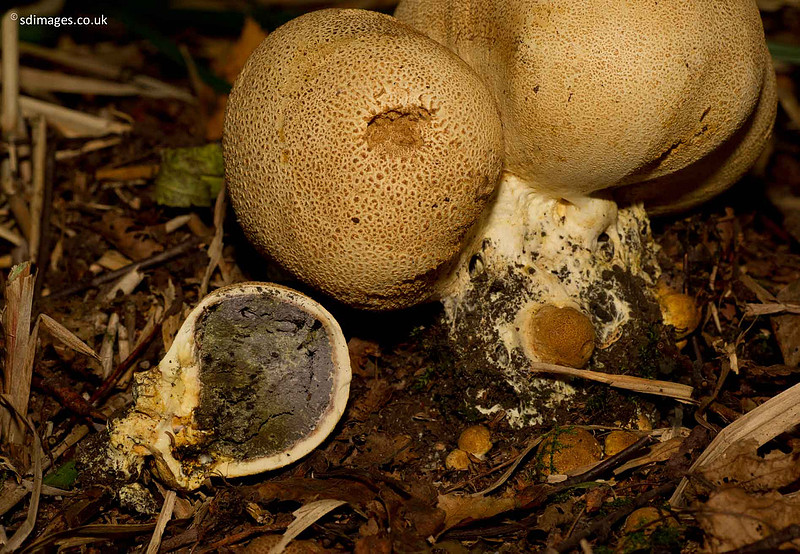
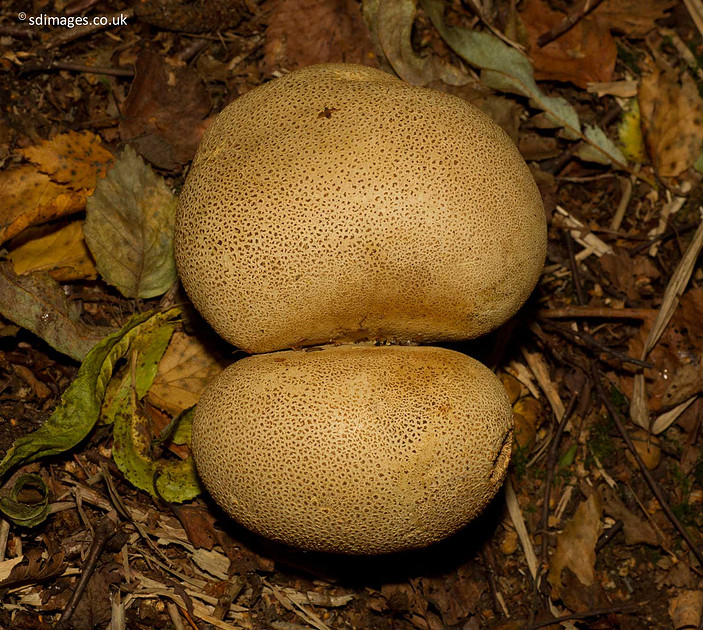
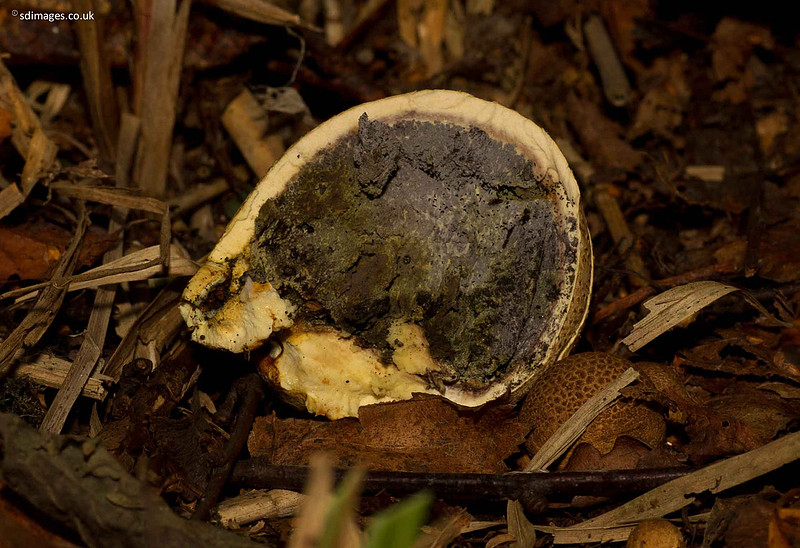
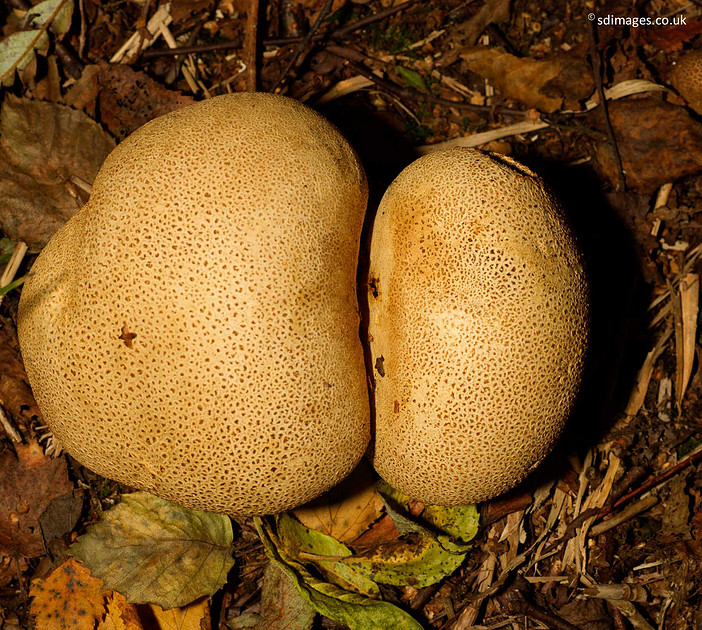
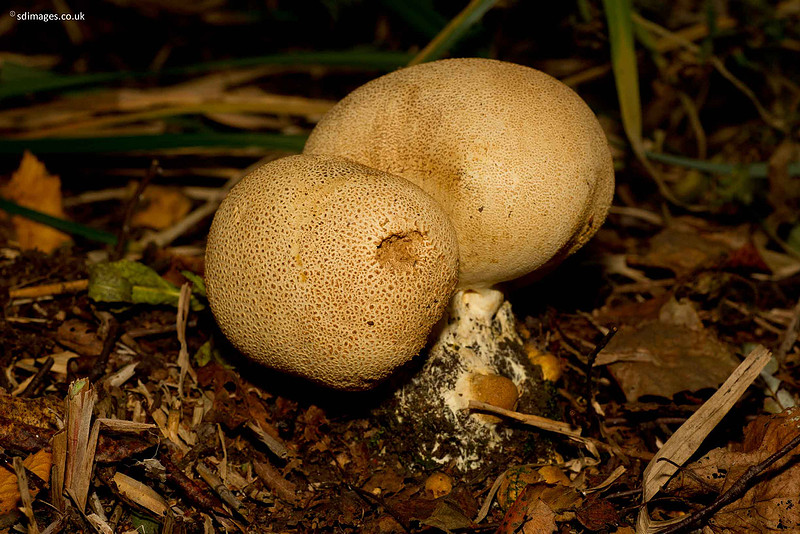
Common Earthball
 A92X6349
Common Earthball- Scleroderma citrinum
This poisonous fungus is the most common species of Earth Ball in the UK.
 A92X6352
 A92X6346
 A92X6350
 A92X6342
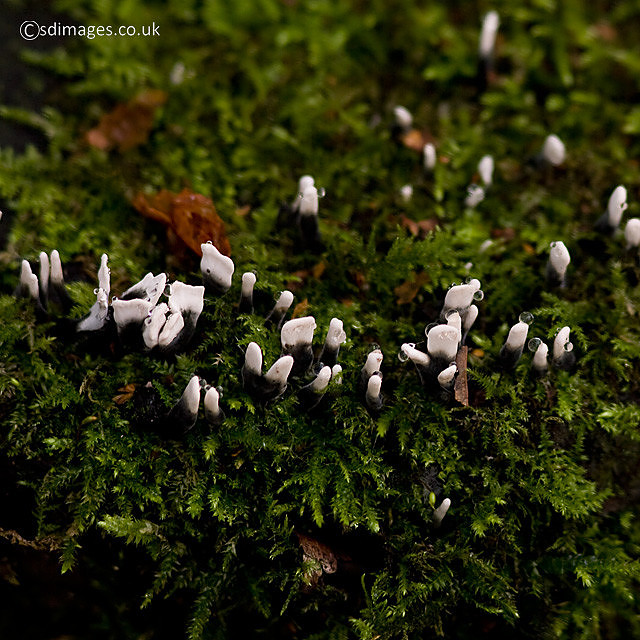
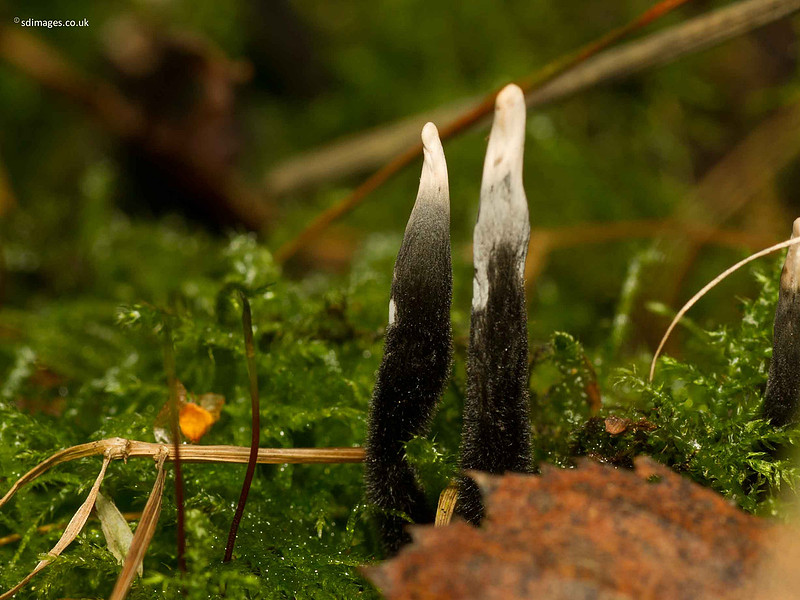
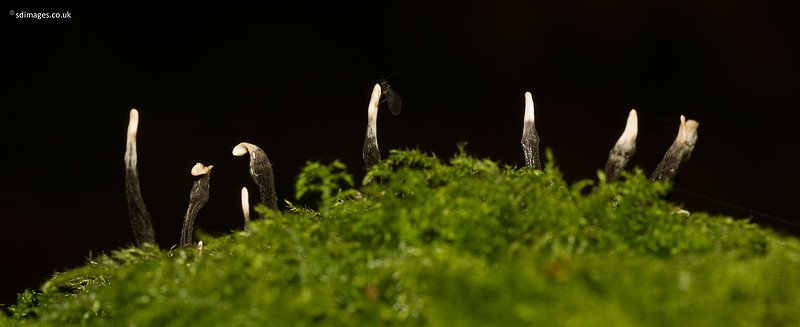
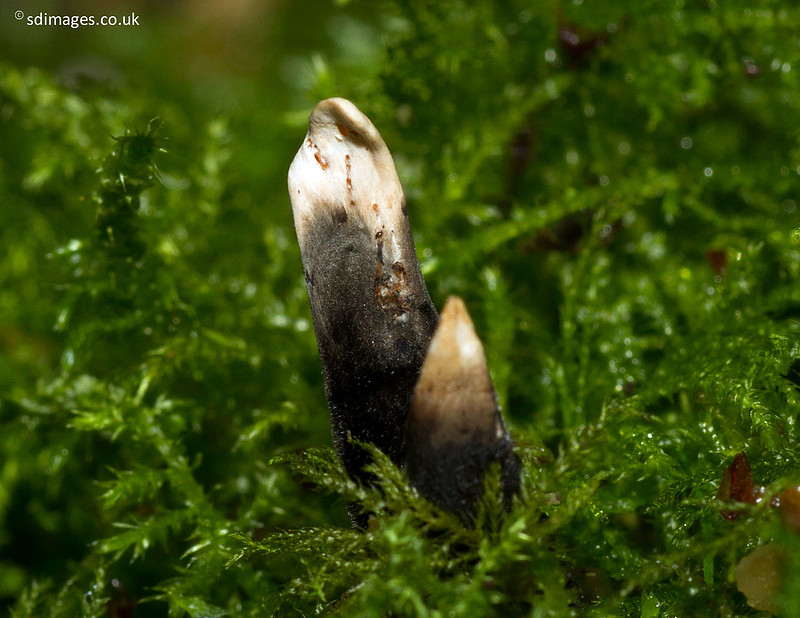
Candle Snuff Fungus
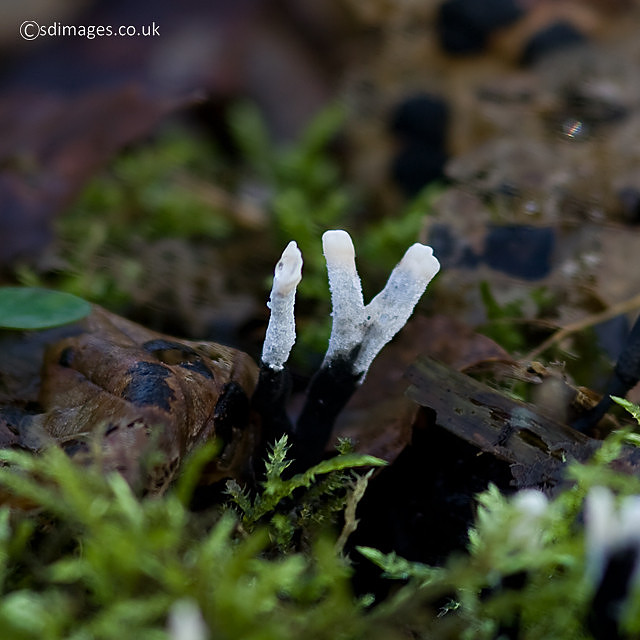 Candle Snuff Fungus Xylaria hypoxylon,
This small fungus is found in groups growing on dead stumps. The back stems may be forked towards the tips, which are white. If you tap them a cloud of white spore powder will be released, as in the smoke of a snuffed candle. Each stem grows up to 7cm in height, and they are common in the Autumn.
 A92X6310
 A92X6307
 A92X6308
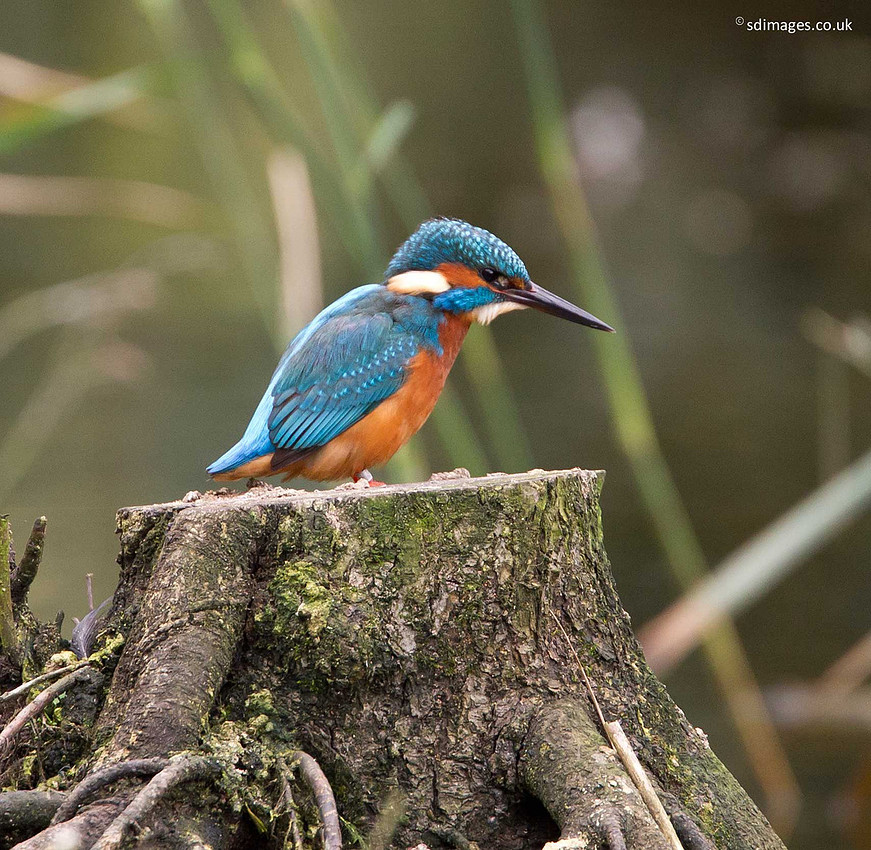
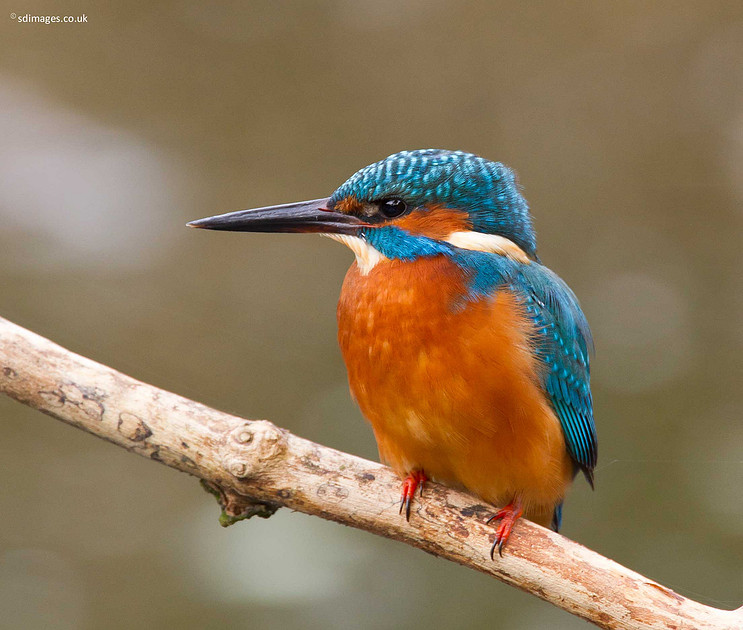
Waiting for the Kingfisher to show
My hopes weren’t very high this morning as I waited for the Kingfisher to show.
The lights poor today and I have not seen the Kingfisher for a few days.
 A92X5873
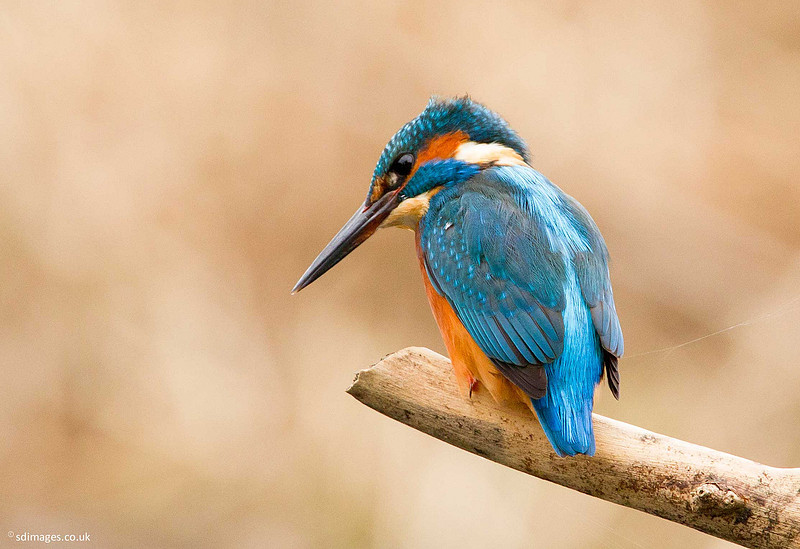
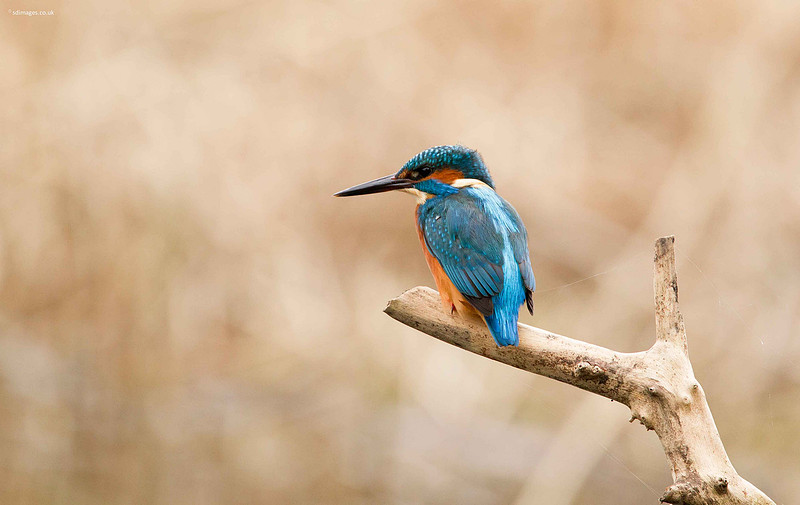
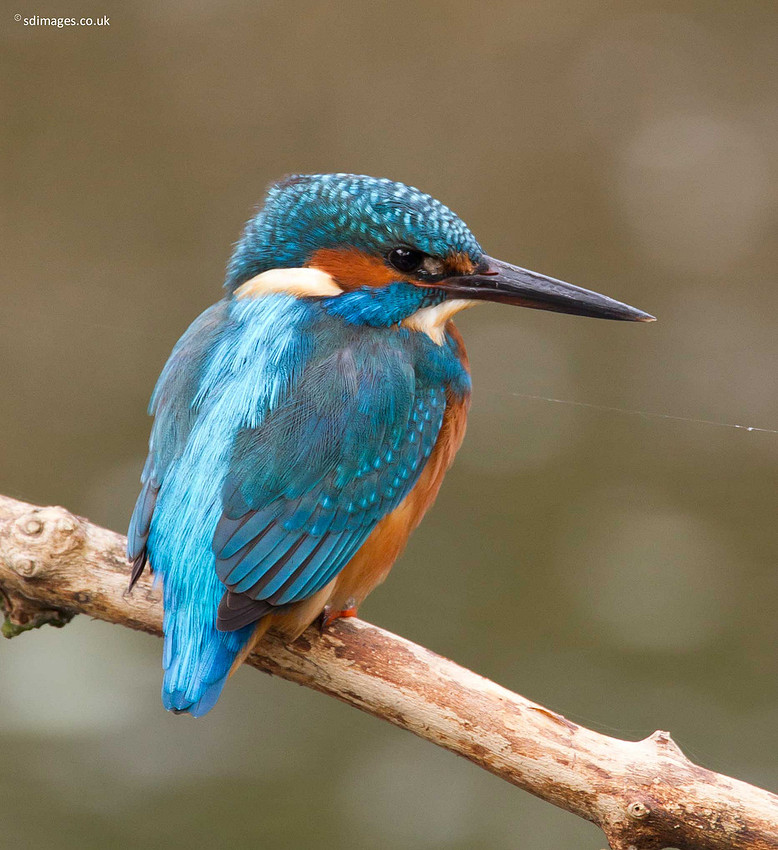
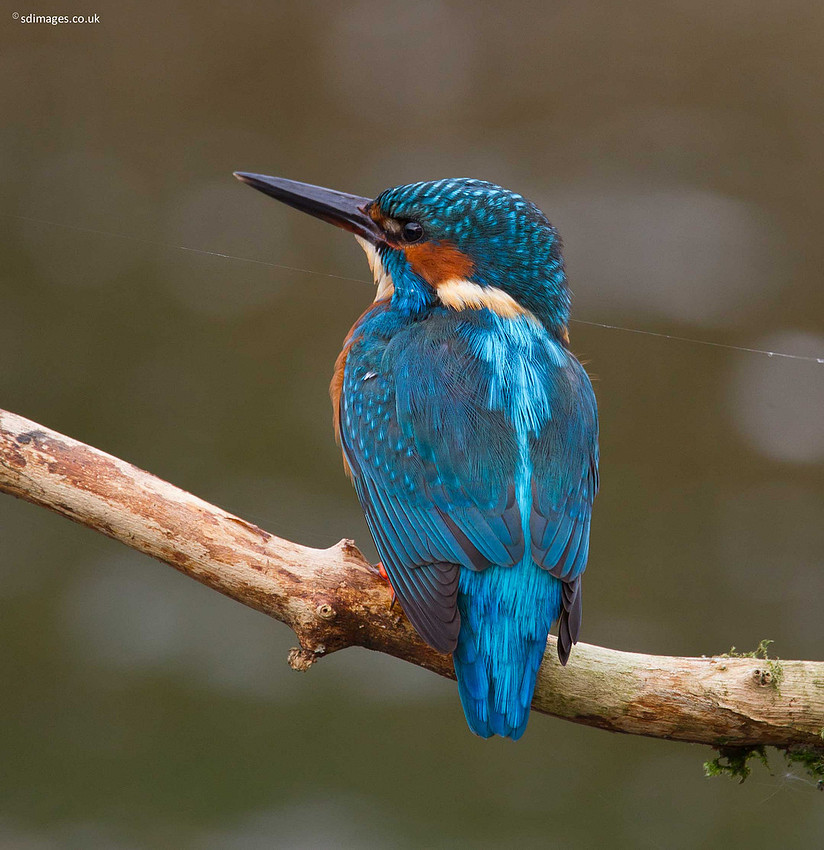
After a long wait the Kingfisher showed briefly and I was able to snatch a few shots in better light
before it disappeared from view, flying off into the distance.
 A92X5850
 A92X5890
 A92X5891
 A92X5852
 A92X5856
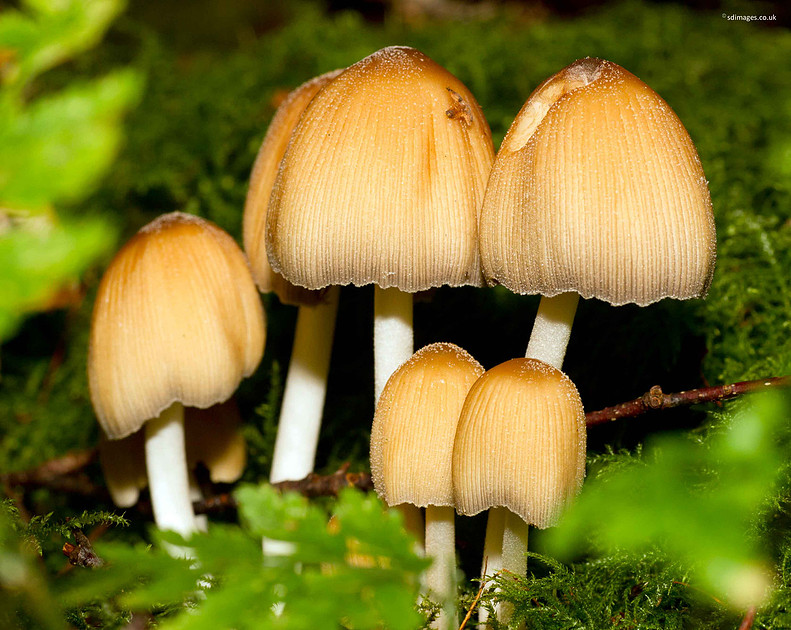
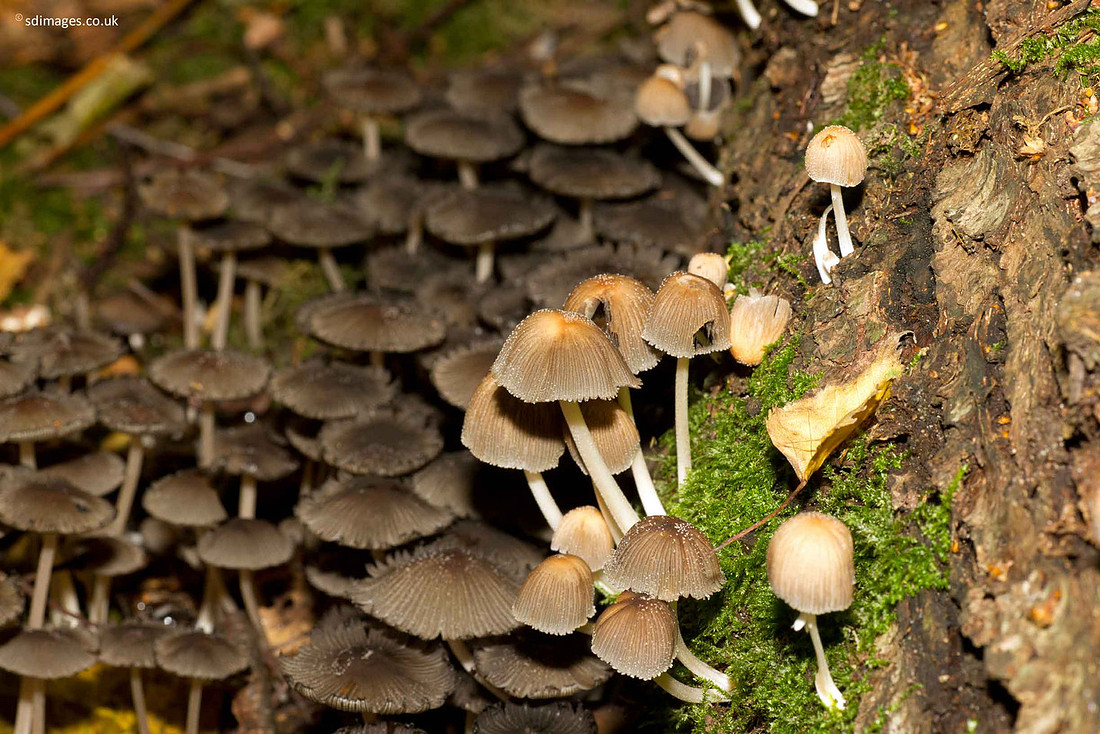
Fungi
Autumn is the time to get your camera out and photograph fungi
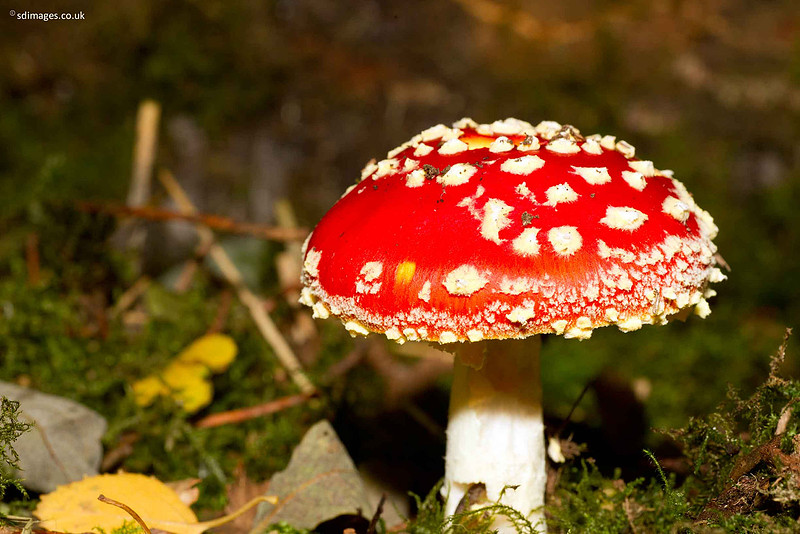 A92X1989
Fly Agaric
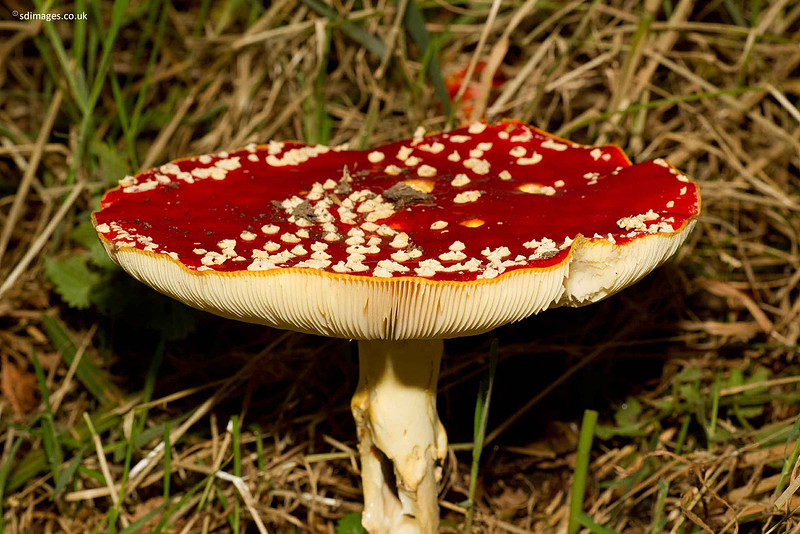 A92X2021
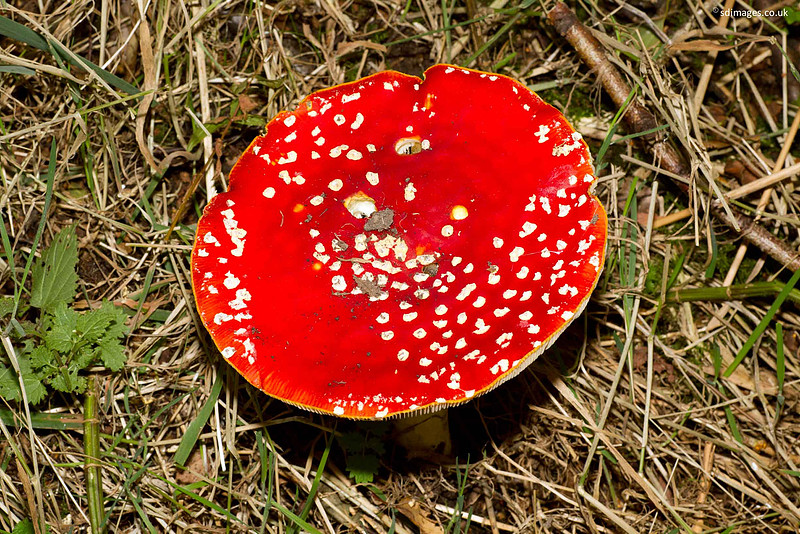 A92X2016
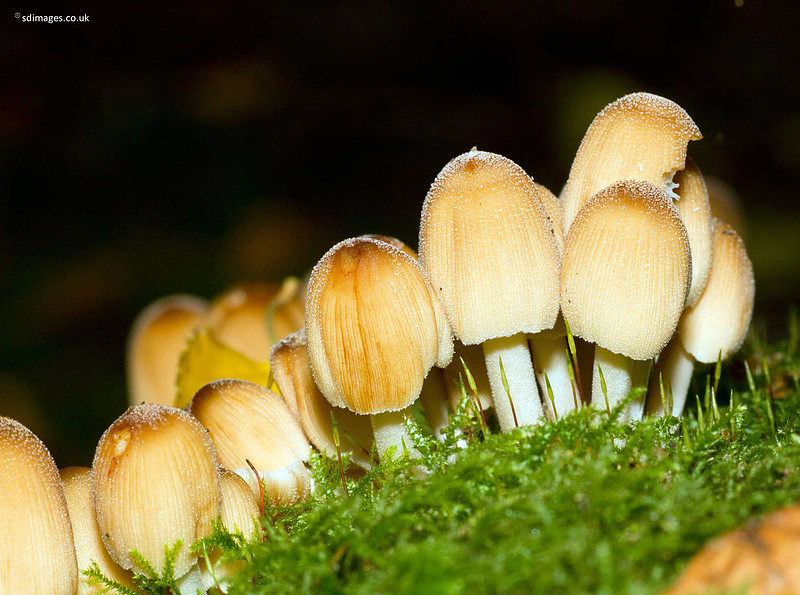 A92X1977
 A92X1980
 A92X1981
 A92X2028
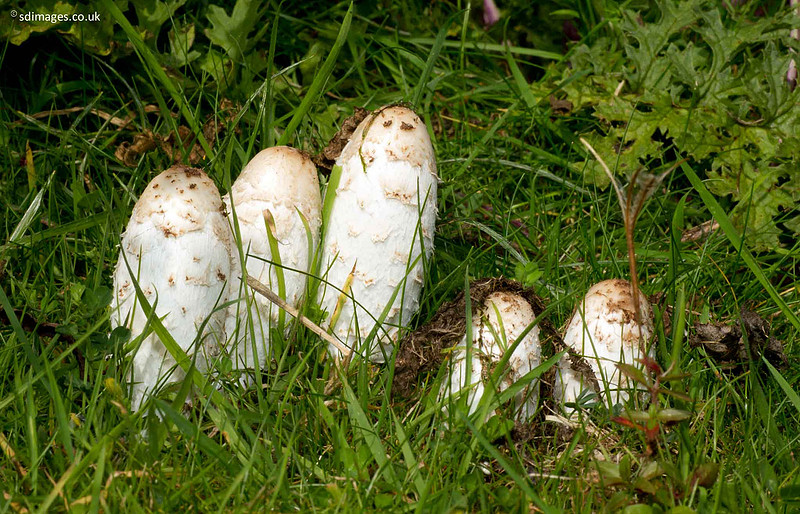
Shaggy Ink Cap
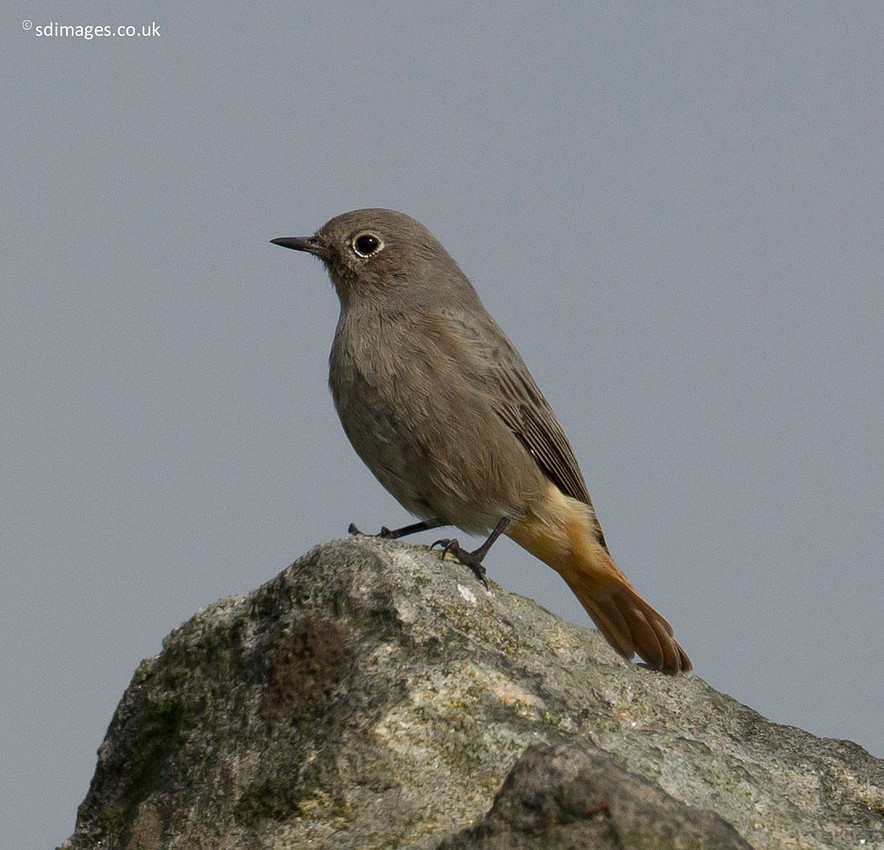
Black Redstart
Record shot of a Black Redstart
 A92X5492
I have been having problems uploading images to my blog, it’s taken two days for Zenfolio to sort it out.
I have had to change my browser to Google chrome to make it work again.
Should not have had to do that as I was happy with Internet Explorer.
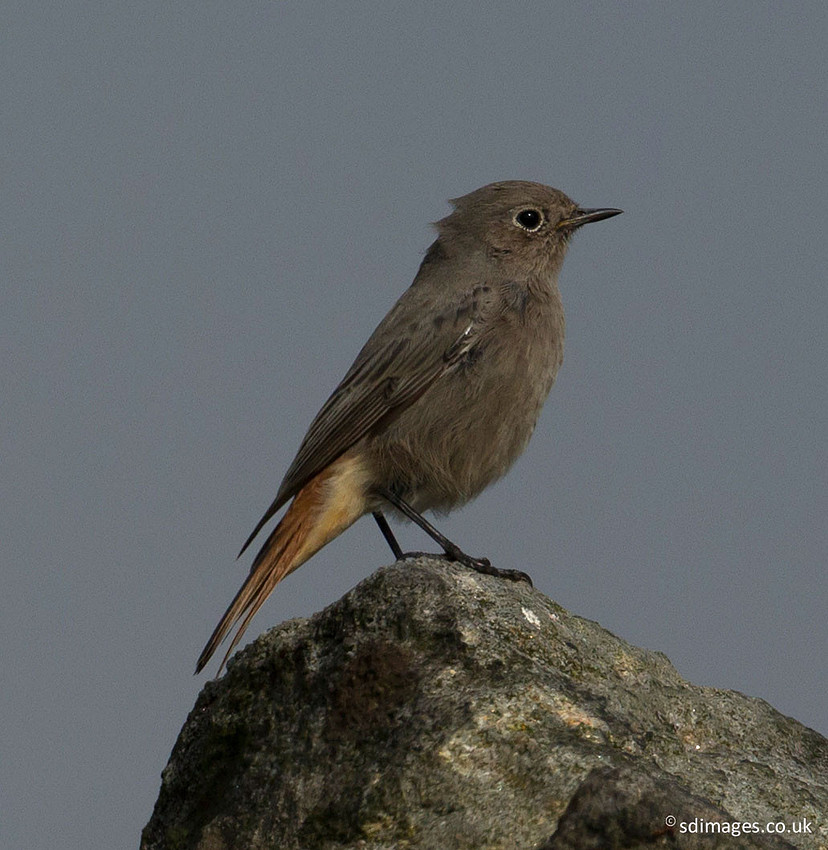 A92X5504
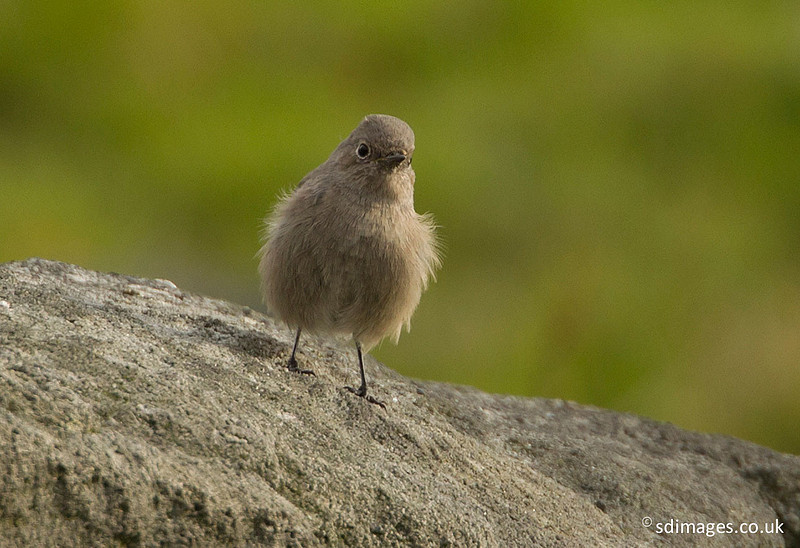 A92X5047
I do need to get better shots of them
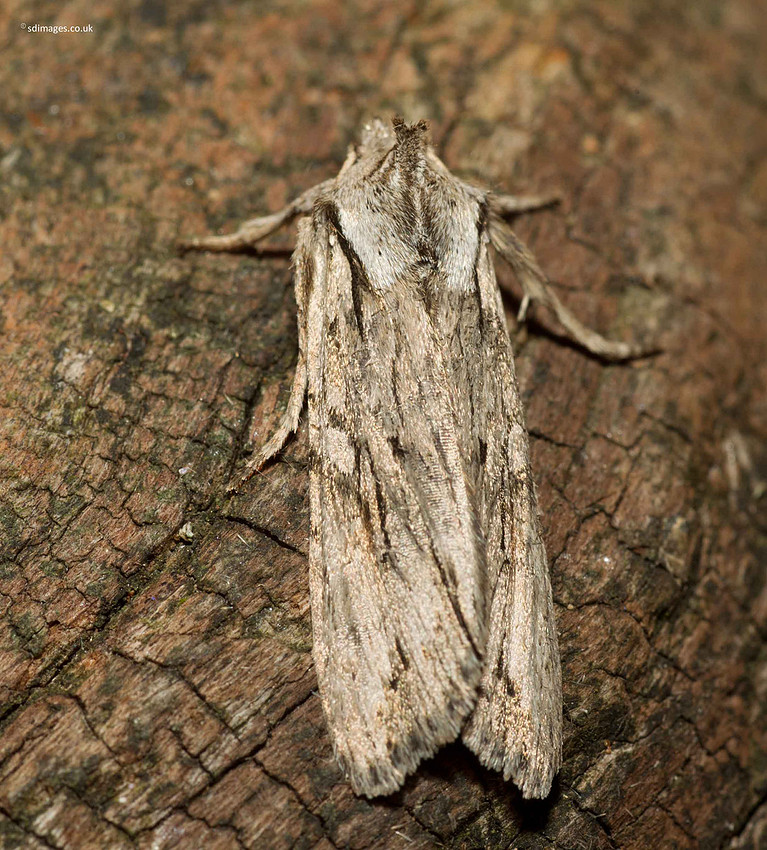
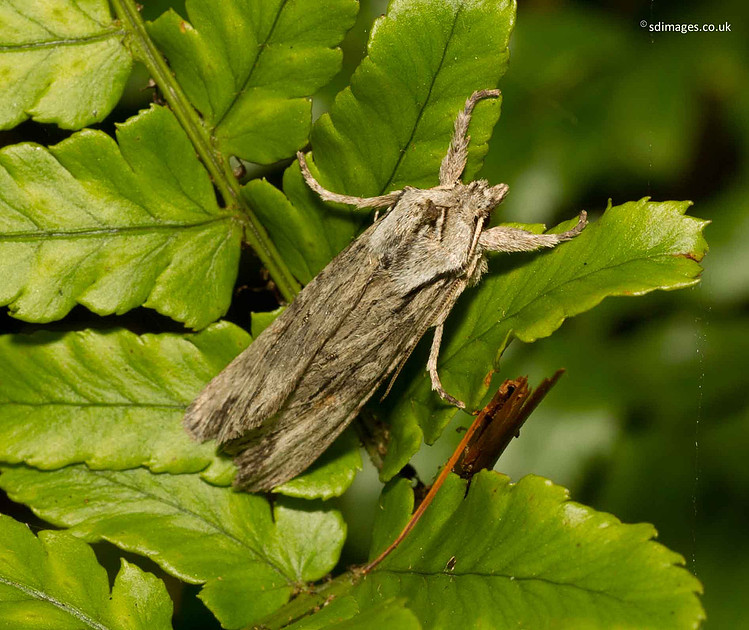
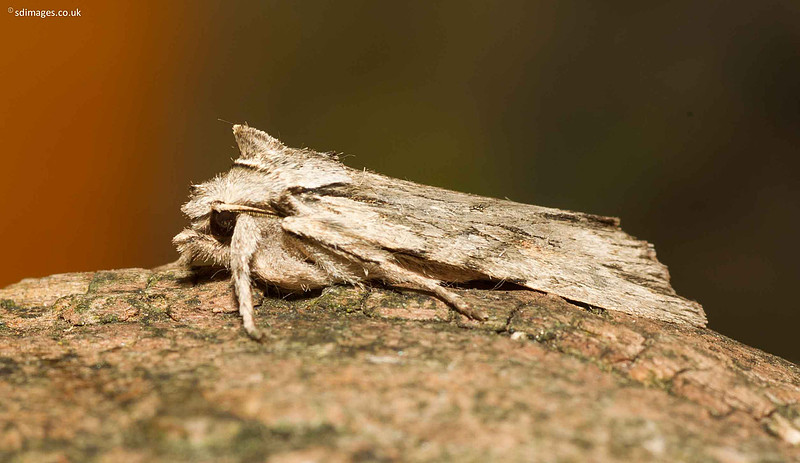
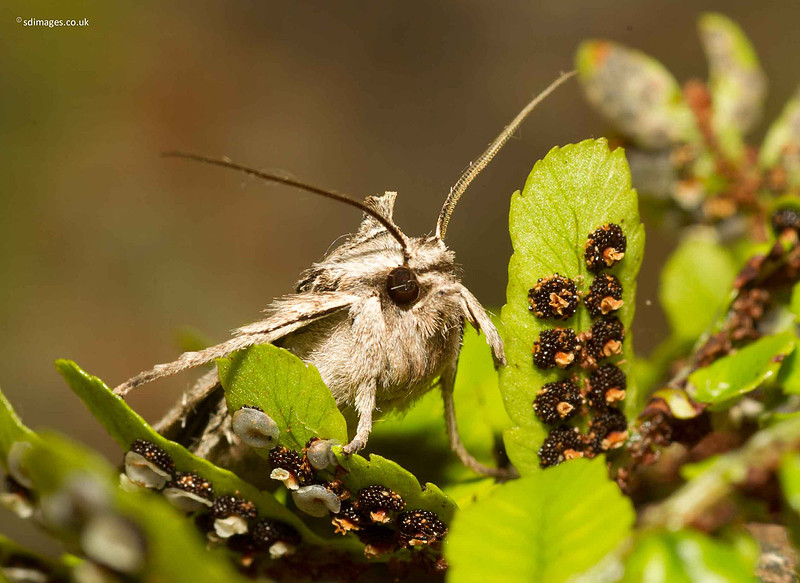
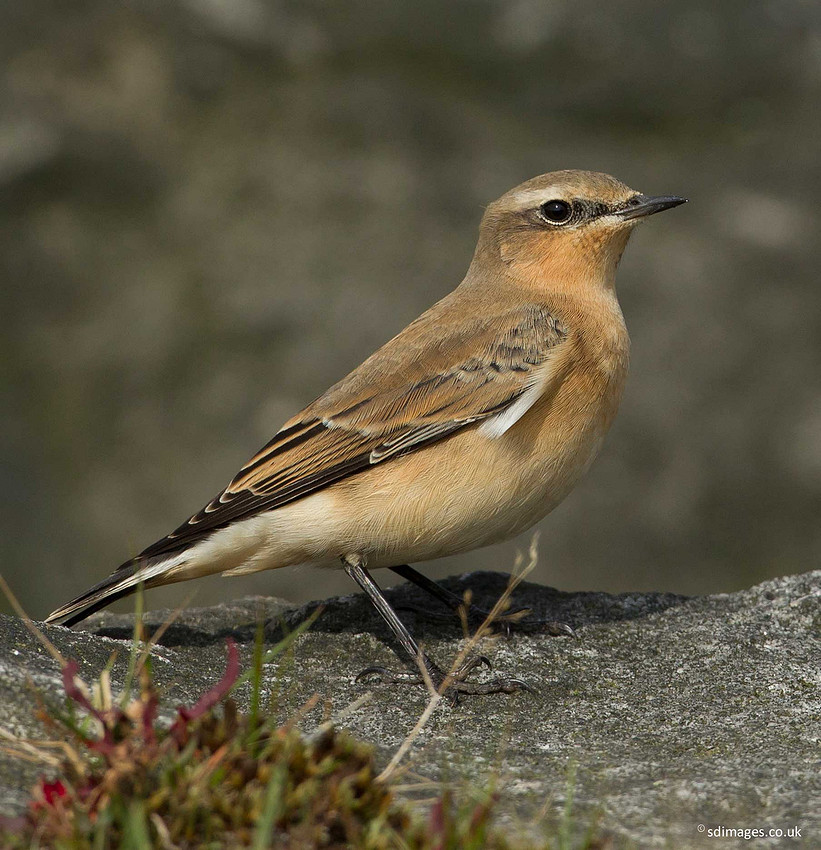
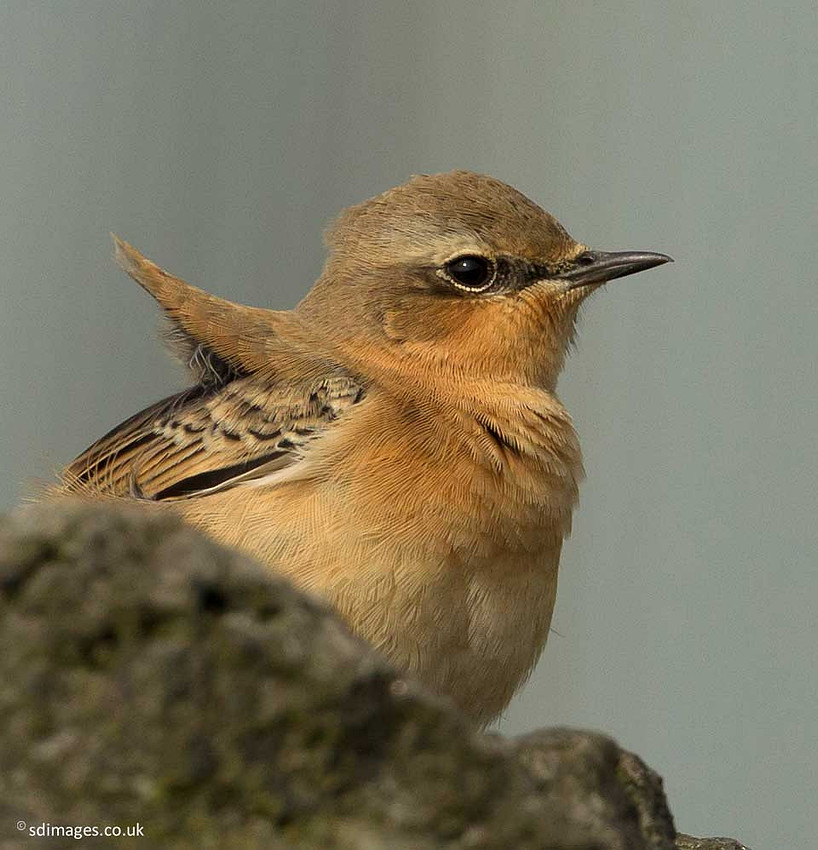
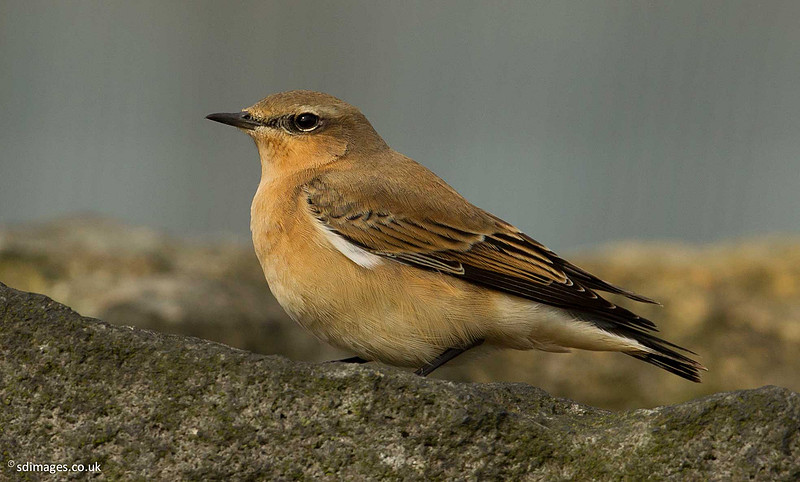
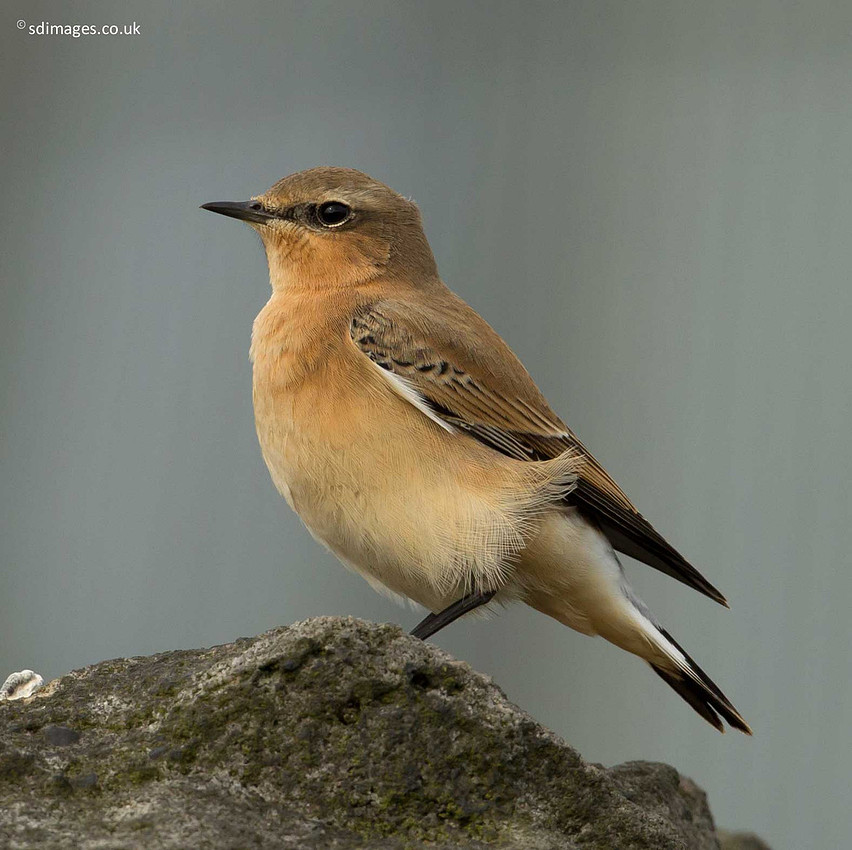
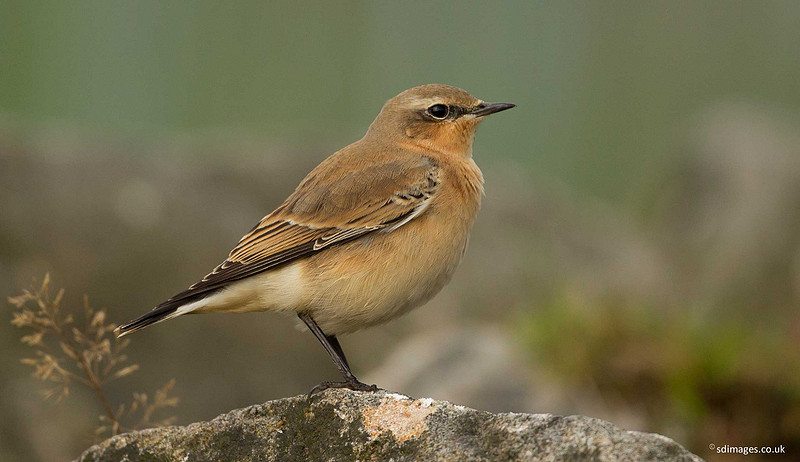
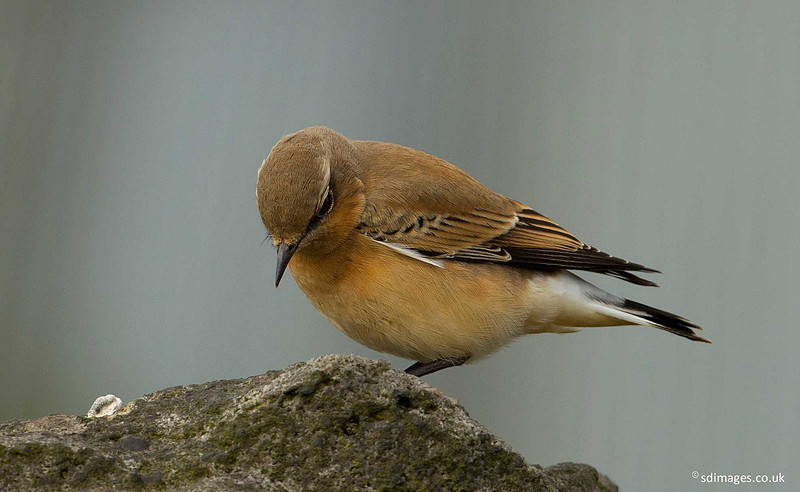
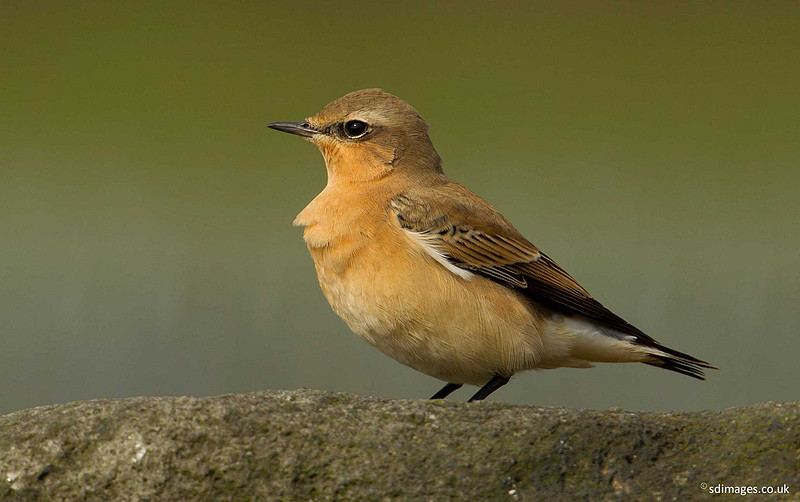
Wheatear
Female Wheatear
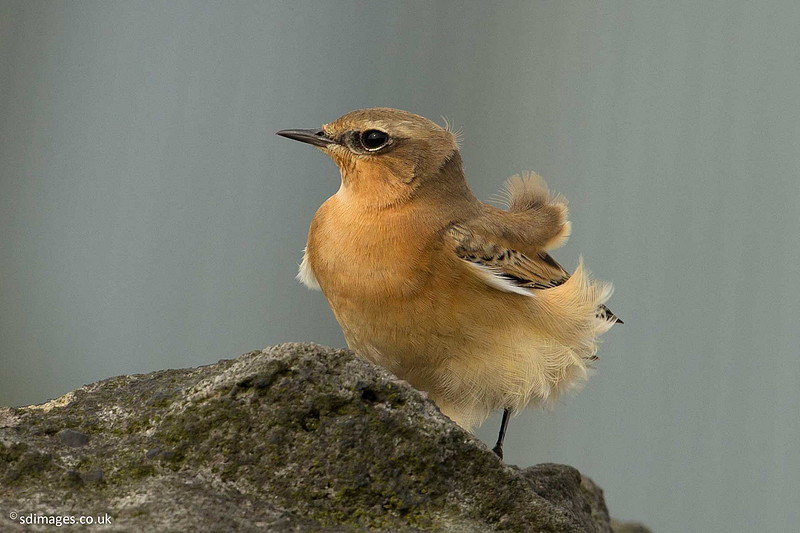 A92X5213
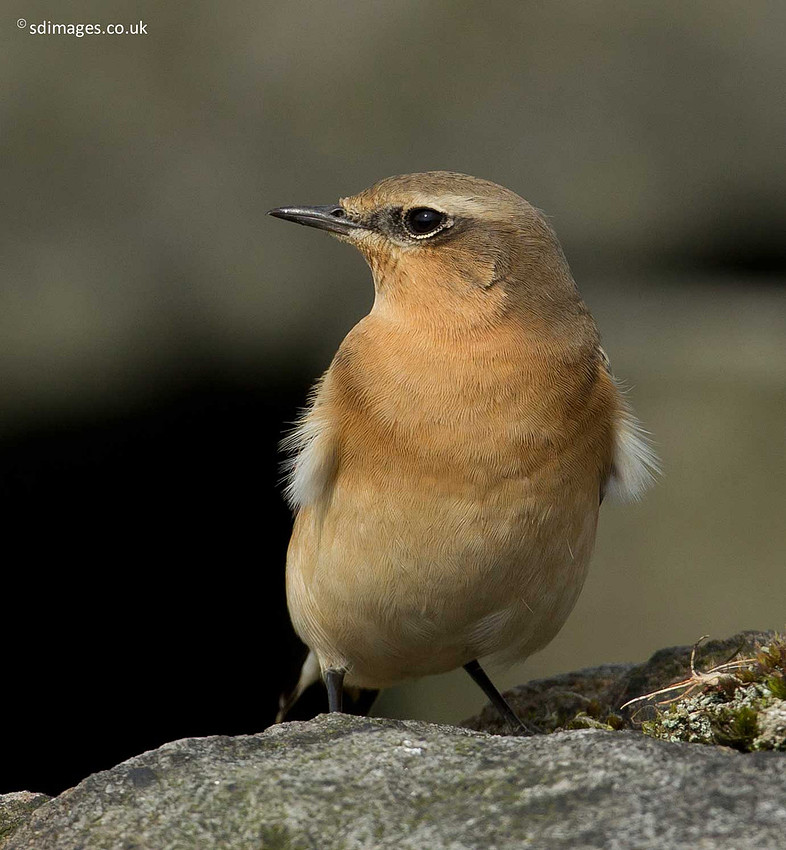 A92X5445
 A92X5476
 A92X5373
 A92X5389
 A92X5283
 A92X5324
 A92X5280
 A92X5376
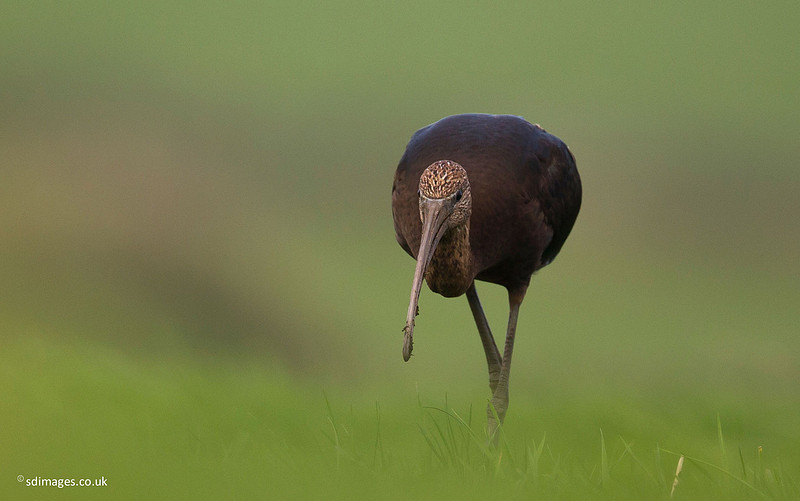
Pea Soup
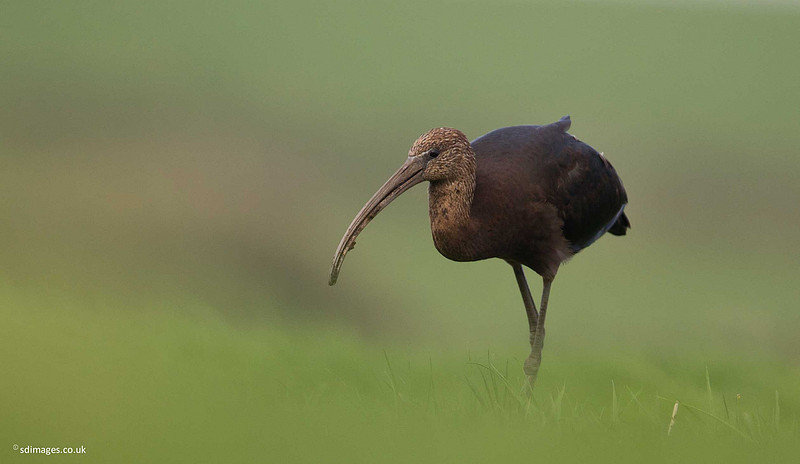
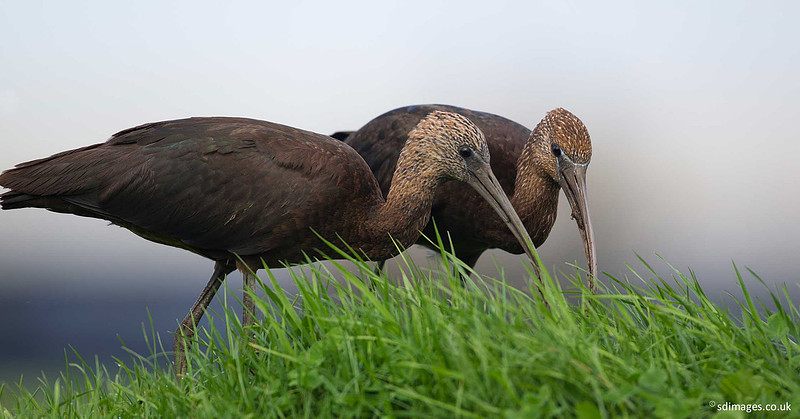
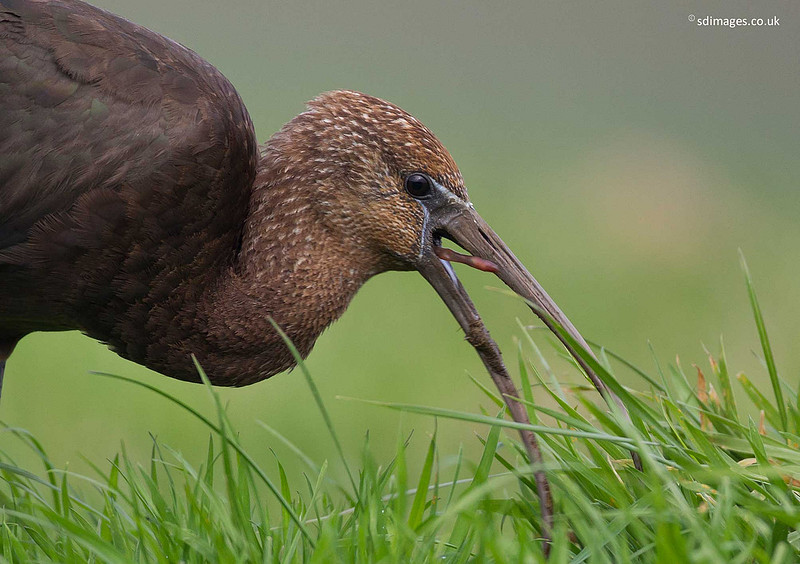
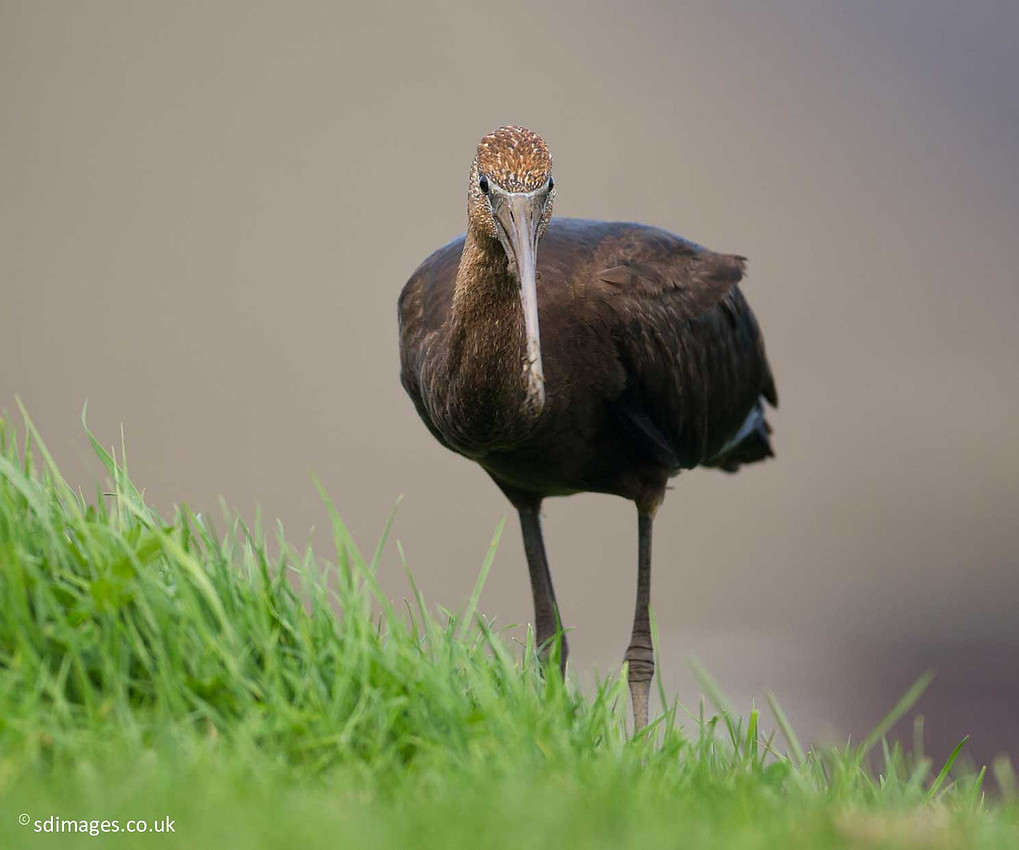
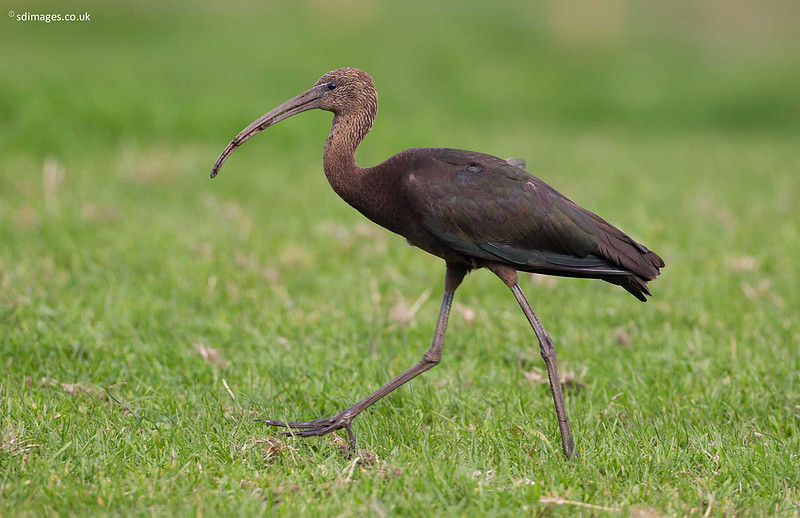
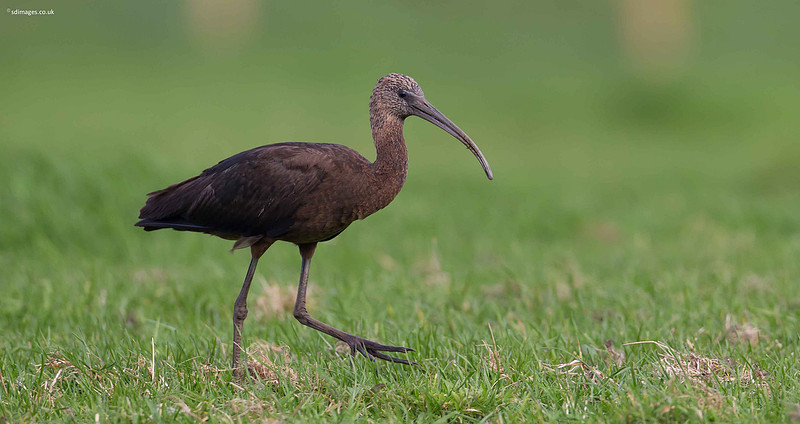
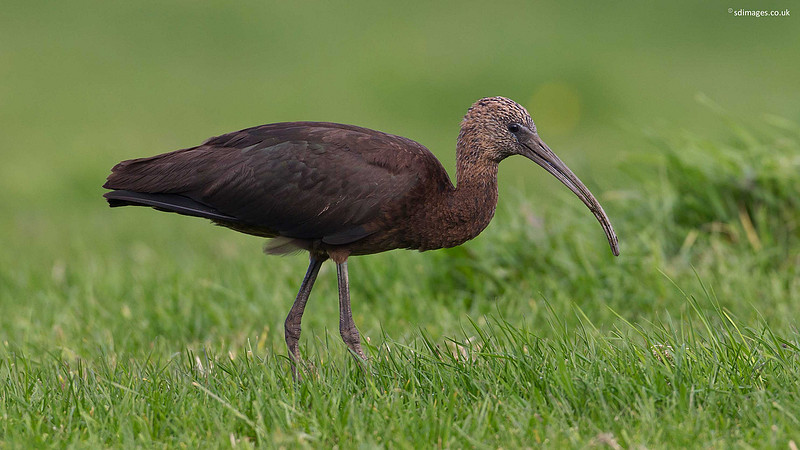
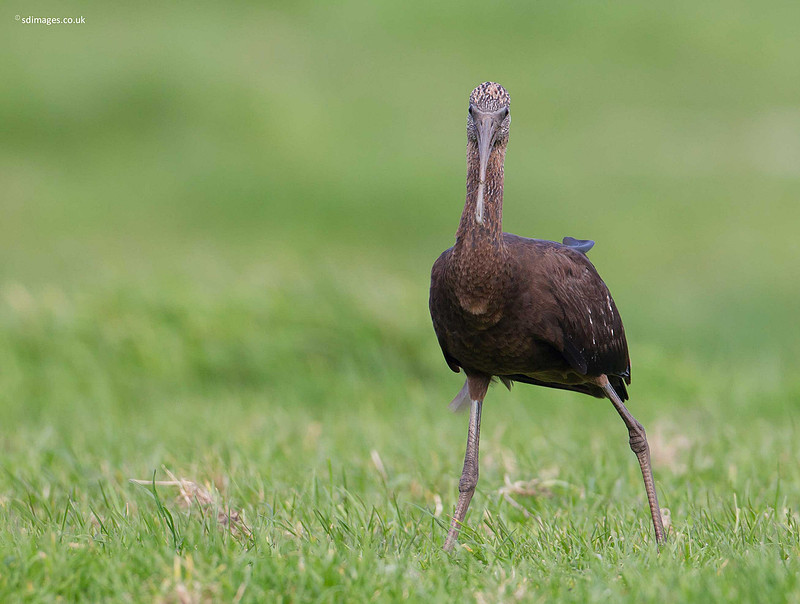
Last of the Glossy Ibis shots.
 A92X4070
 A92X4072
 A92X4151
 A92X4213
 A92X4114
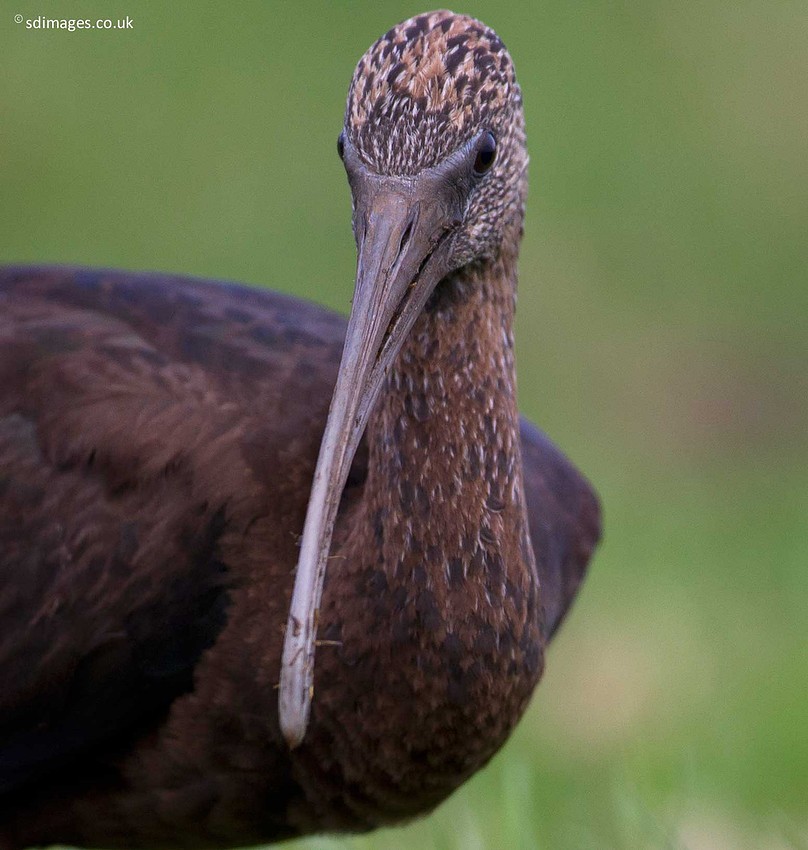 A92X3929
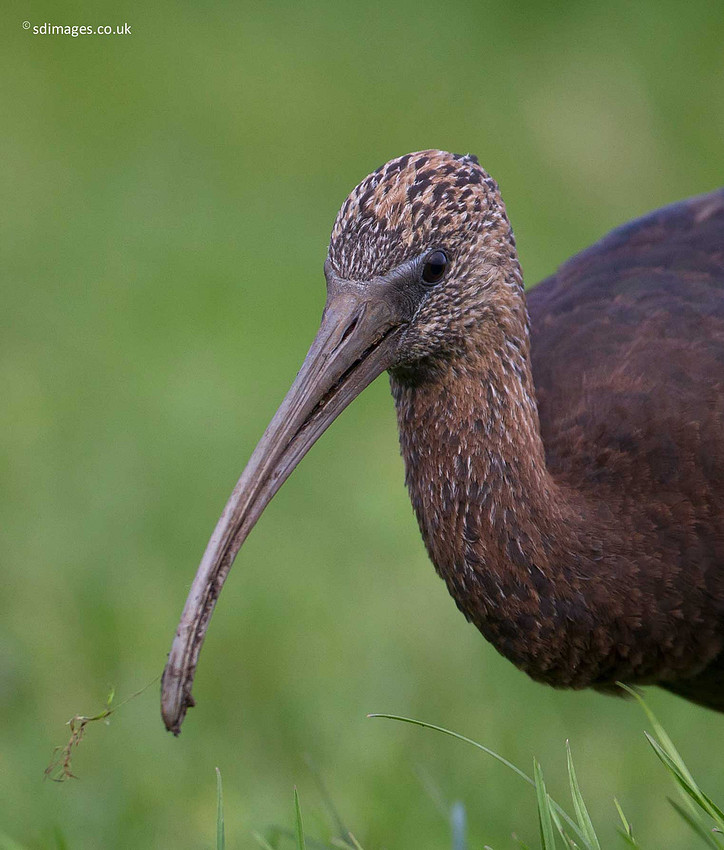 A92X3848
Glossy Ibis Photographs
Still working through my Glossy Ibis photographs taken at Horwich, Bolton.
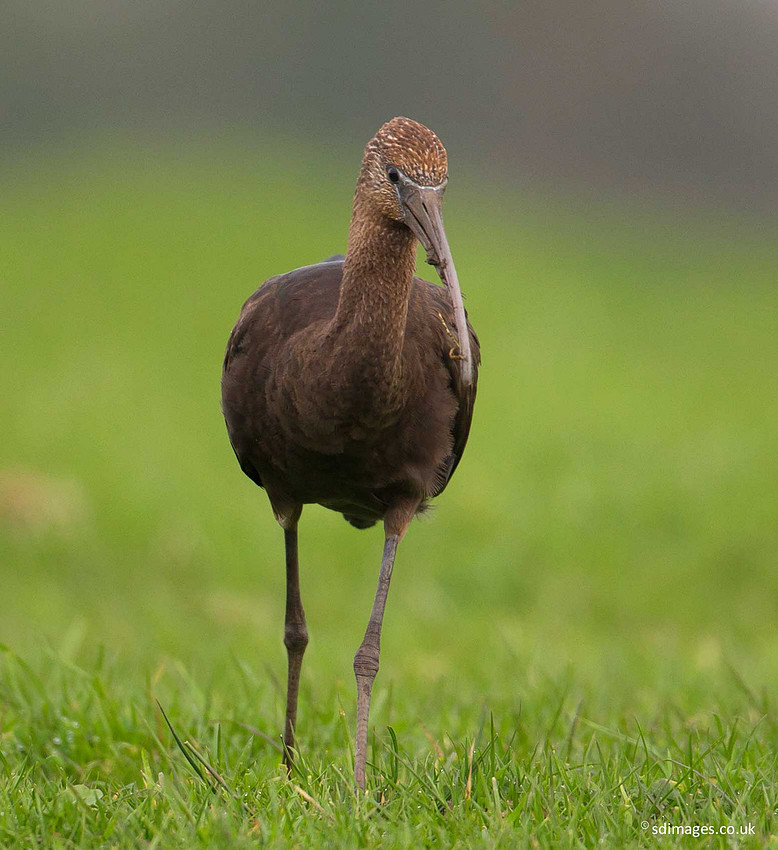 A92X3117
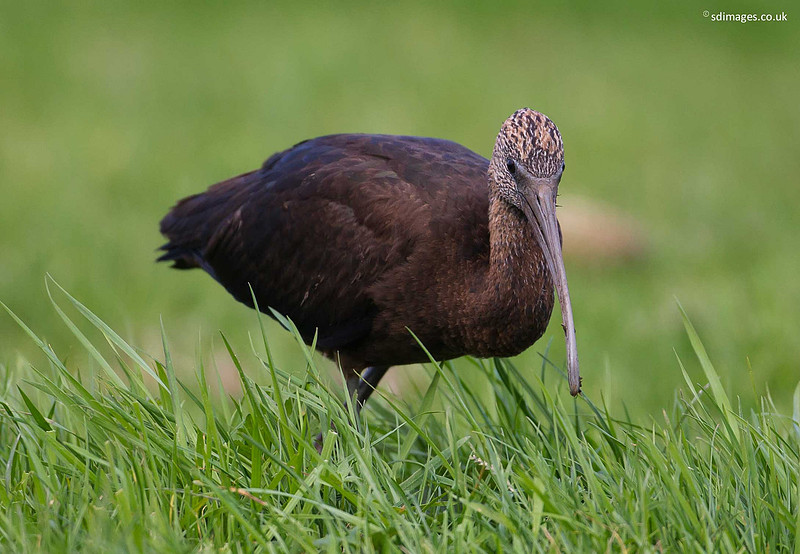 A92X3730
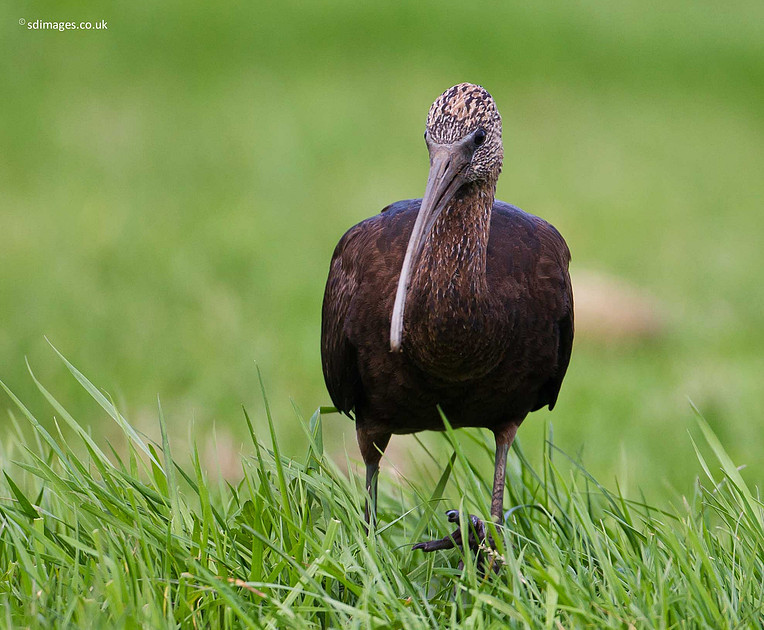 A92X3734
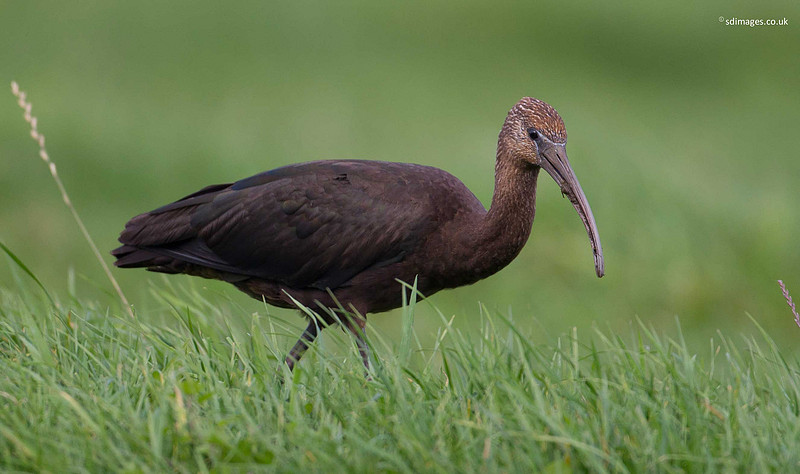 A92X3710
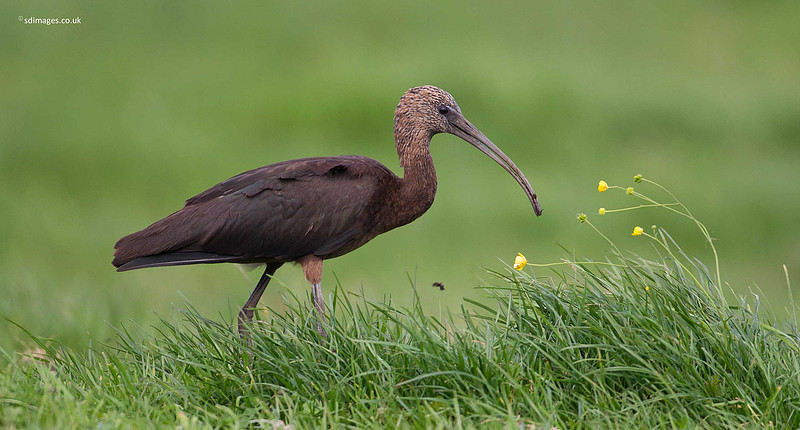 A92X3627
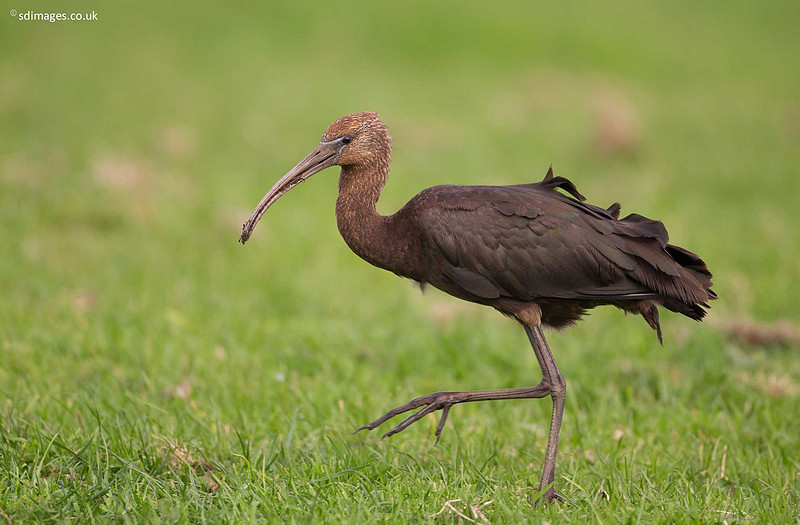 A92X3596
 A92X3531
 A92X3474
 A92X3445
 A92X3431