Home»Blog
 Hello and welcome
I have always had a keen interest in wildlife and the great outdoors;
I was an Angler for over 30 years but gave it up a few years ago to
concentrate on photographing wildlife. I lived in Runcorn; Cheshire a
short distance from the M56 that gave me great access to the Wirral,
Northwales and Lancashire, with some great countryside on my doorstep
I didn't have to travel too far in search of wildlife and photographic
opportunities.
Some of my wildlife photographs range from as far afield as Cuba,
Antigua, Saint Martin, Saint Lucia, Dominican Republic, Tuscany ,
Corfu, Turkey, Spain, Portugal.
I now live in the Charente area of western France.
Too much sun
Fleetwood at high tide produced lots of opportunities to get close up shots of wading birds
however getting good shots in harsh light is another matter.
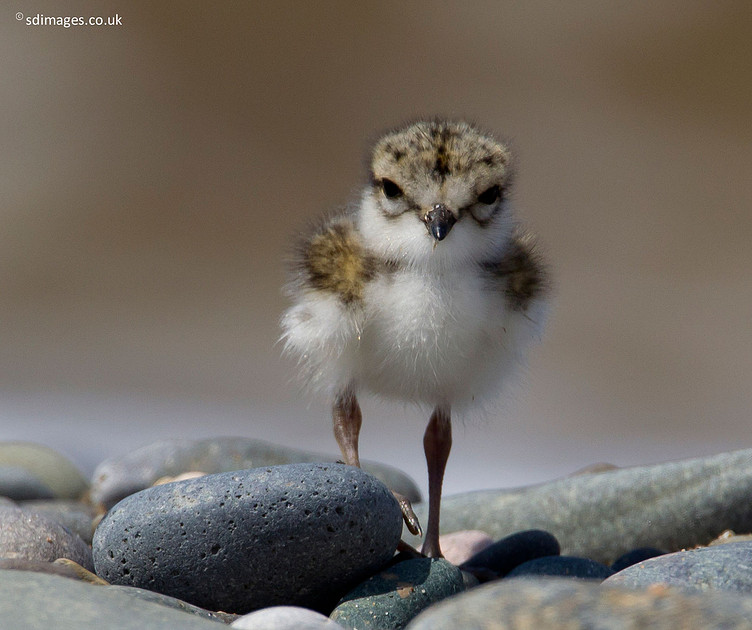
Ring Plover chick
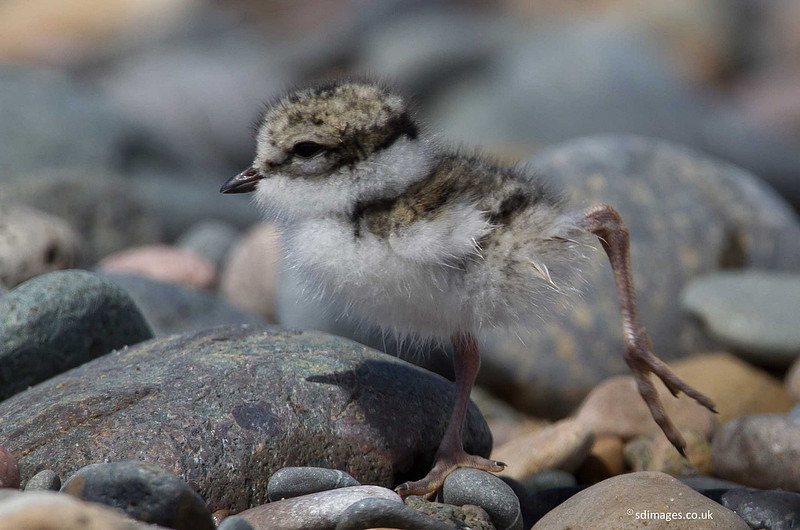
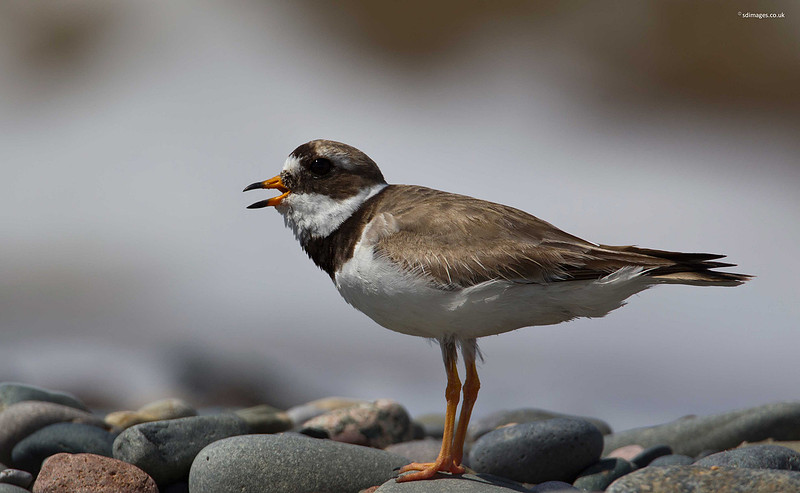
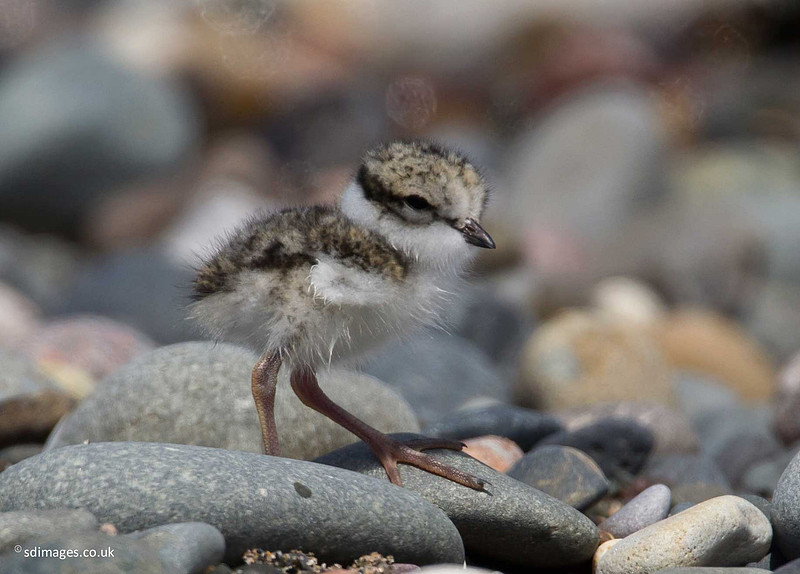
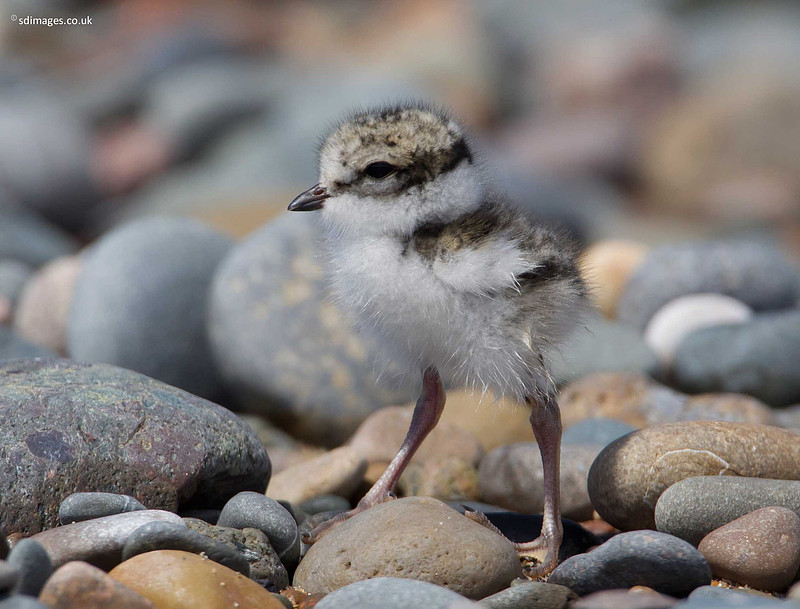
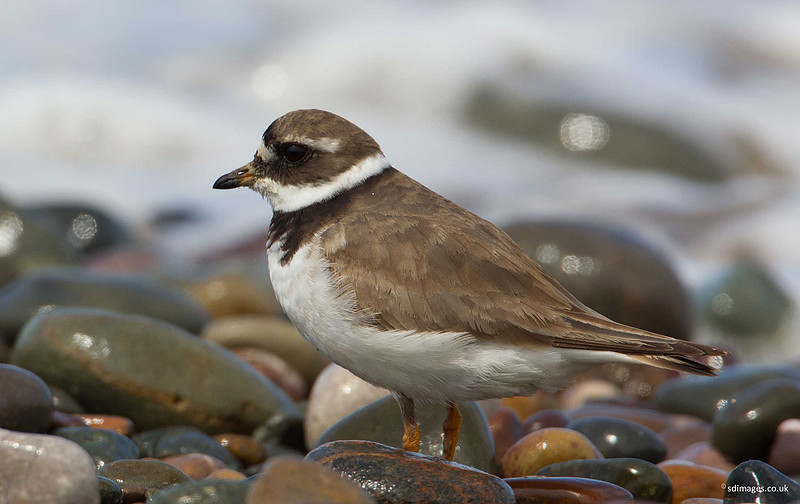
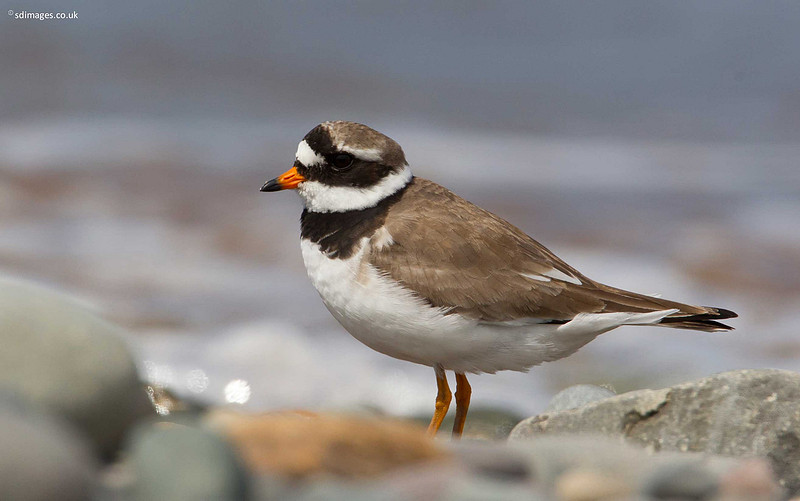
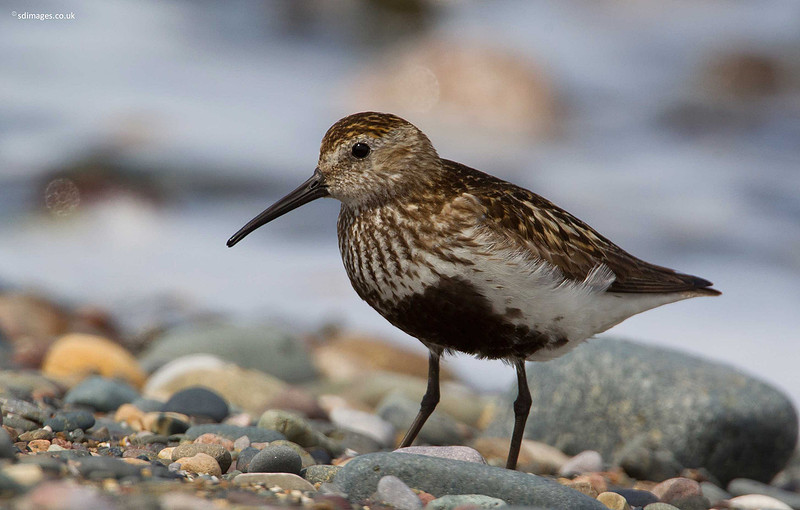
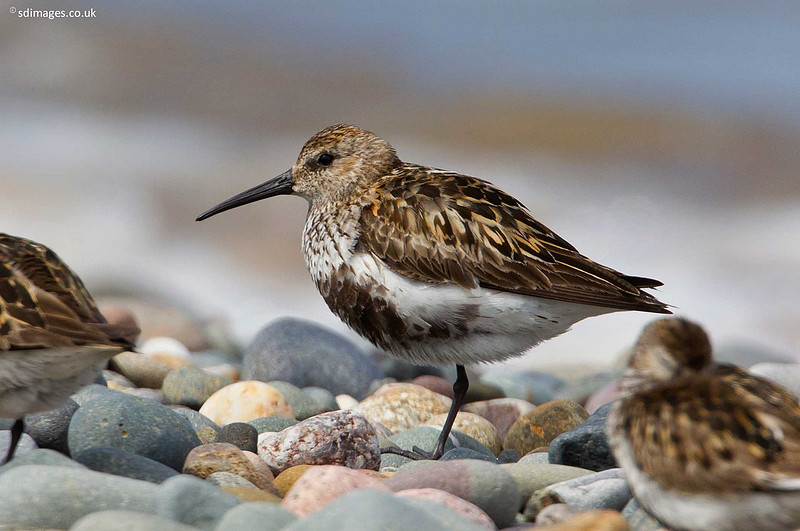
Dunlin
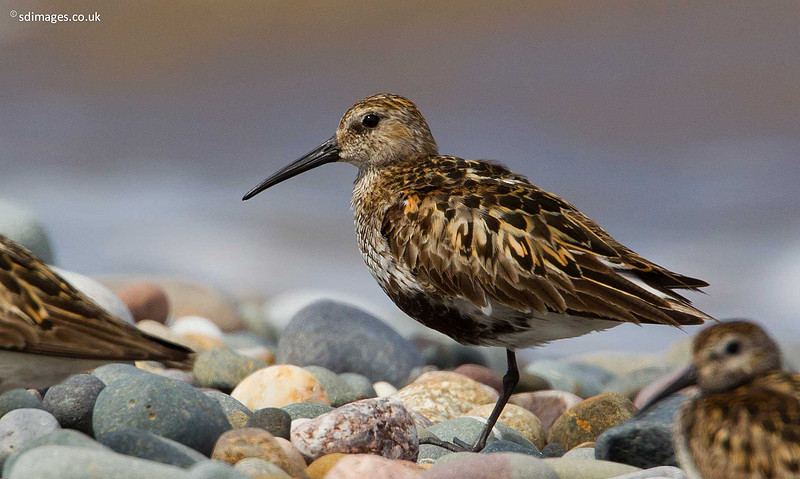
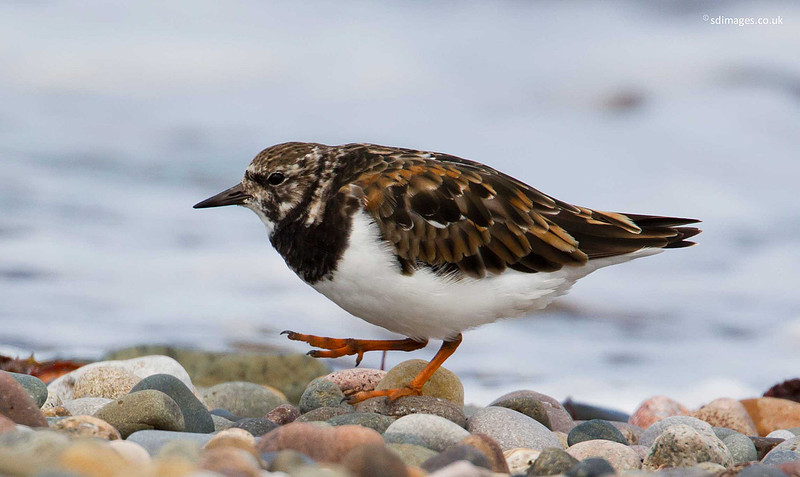
Turnstone
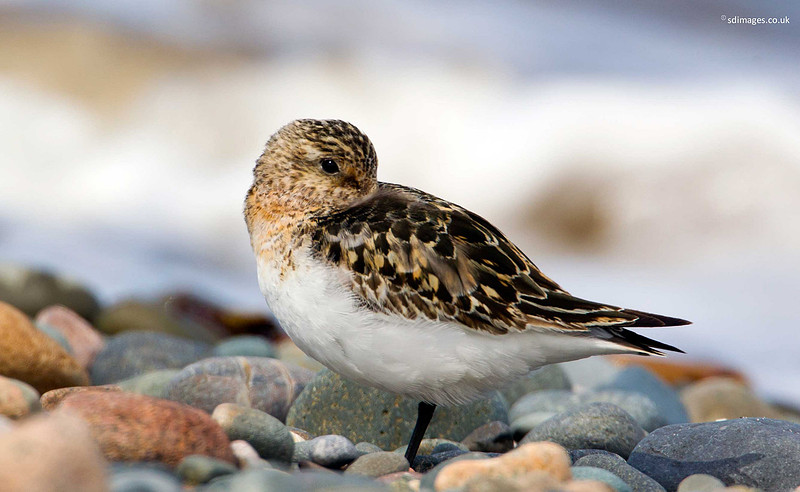
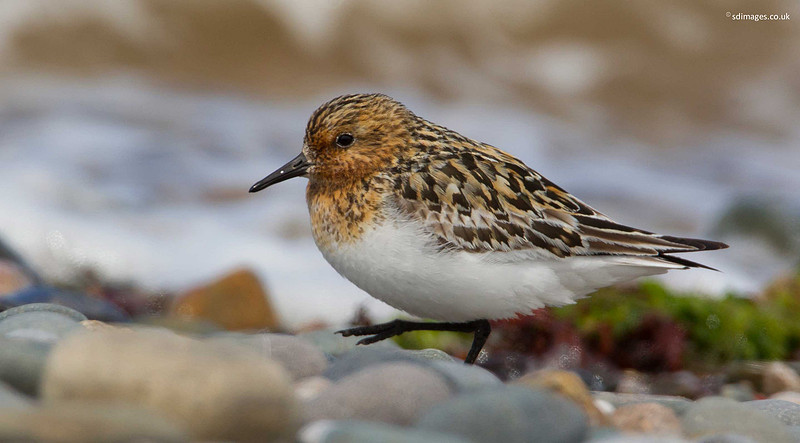
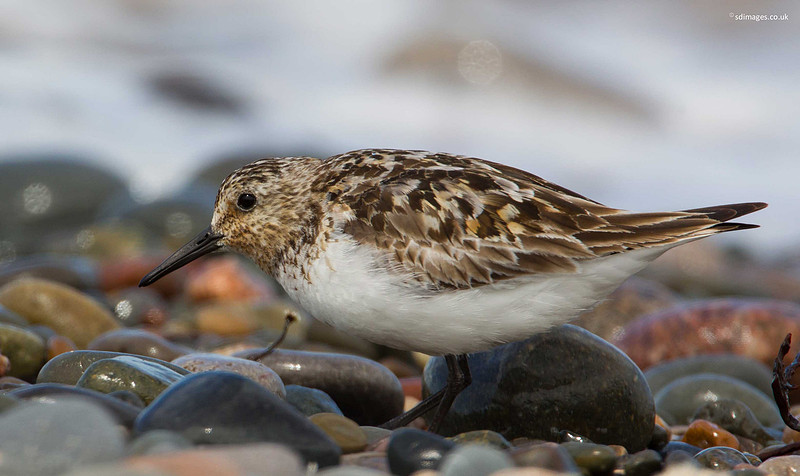
Sanderling
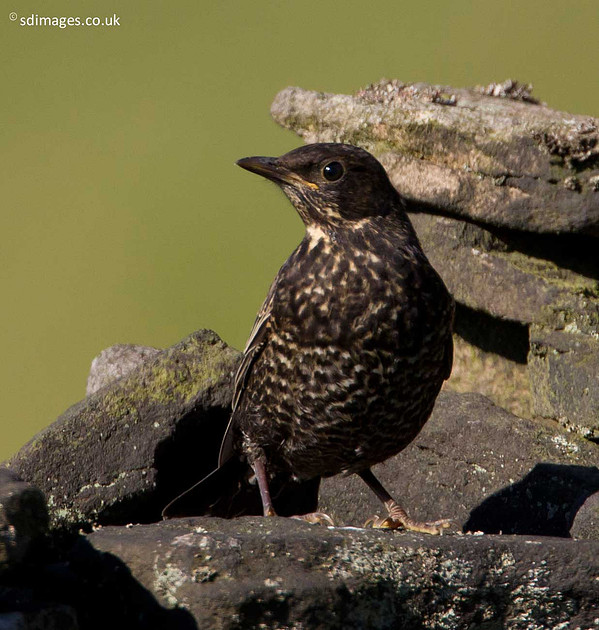
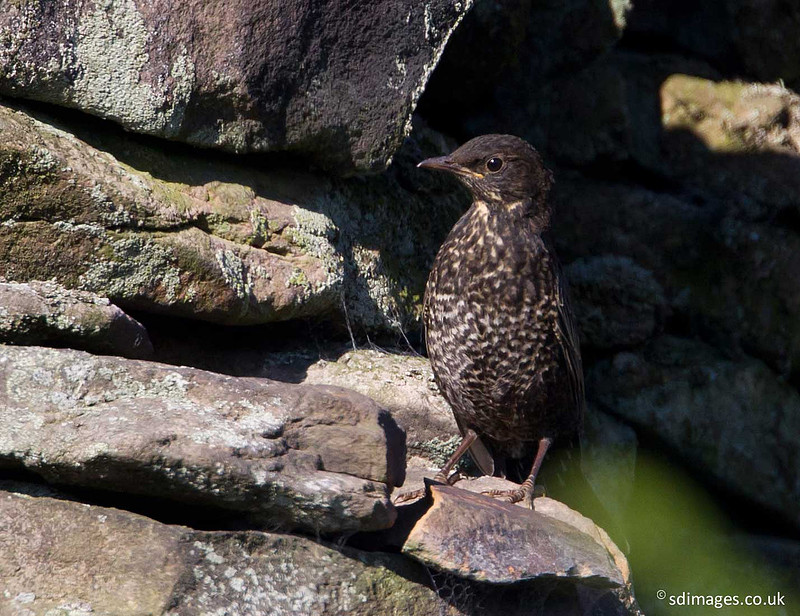
Ring Ouzel
Slightly smaller and slimmer than a blackbird - male ring ouzels are particularly distinctive with their black plumage with a pale wing
panel and striking white breast band. The ring ouzel is primarily a bird of the uplands, where it breeds mainly in steep sided valleys,
crags and gullies.
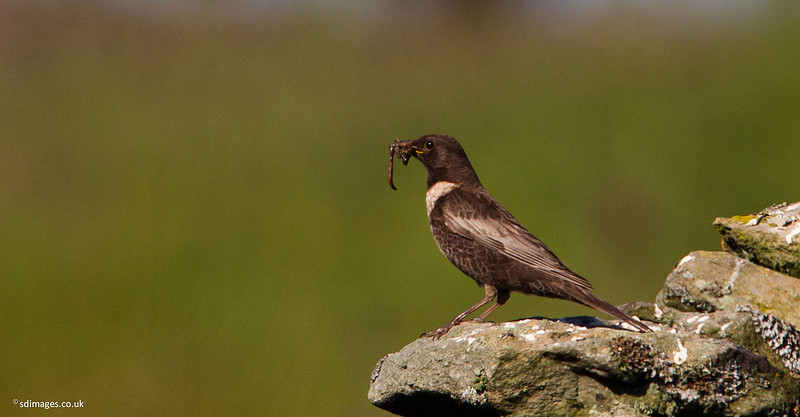
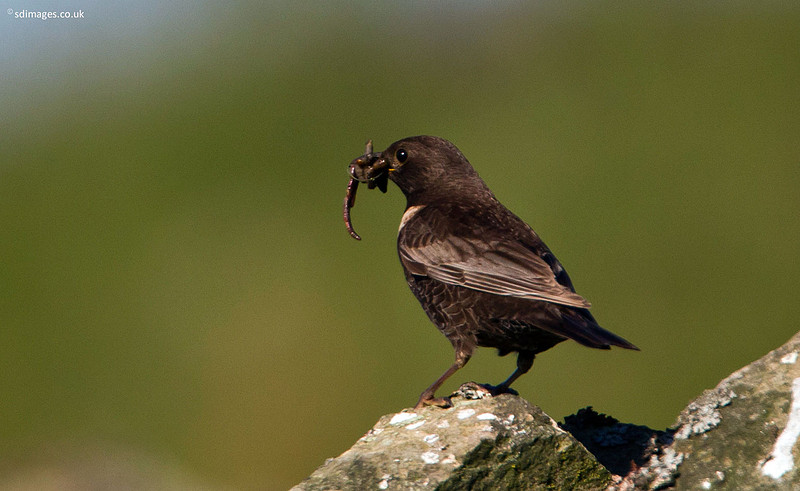
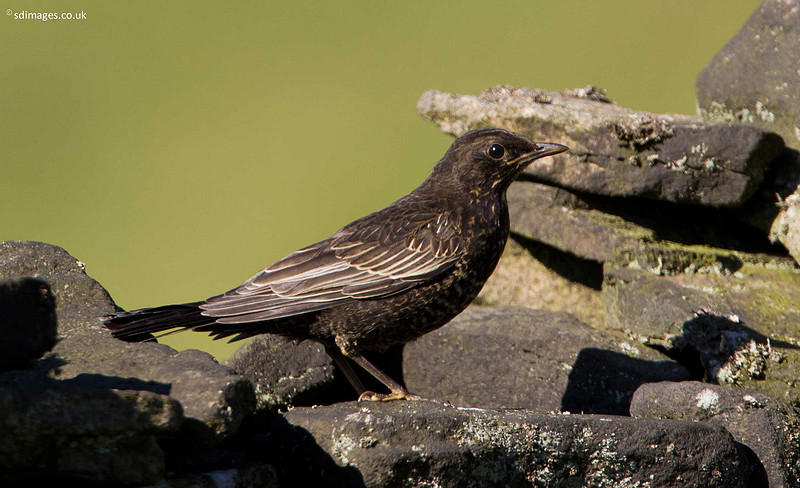
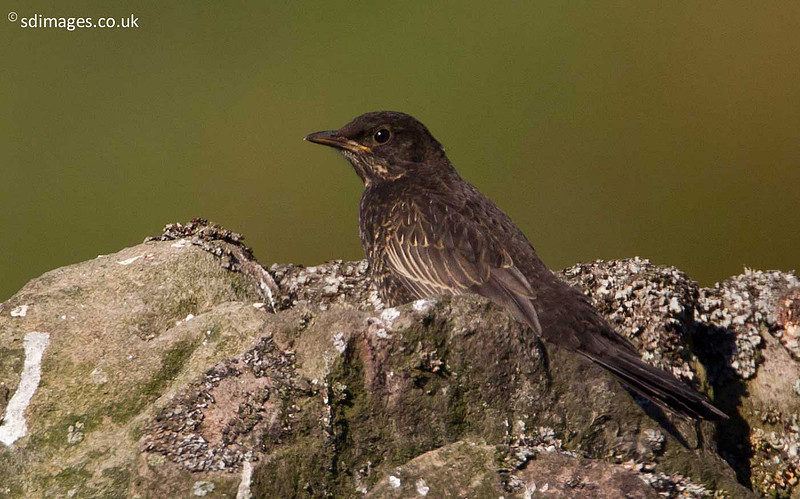
Strong sunlight made getting any good photographs difficult
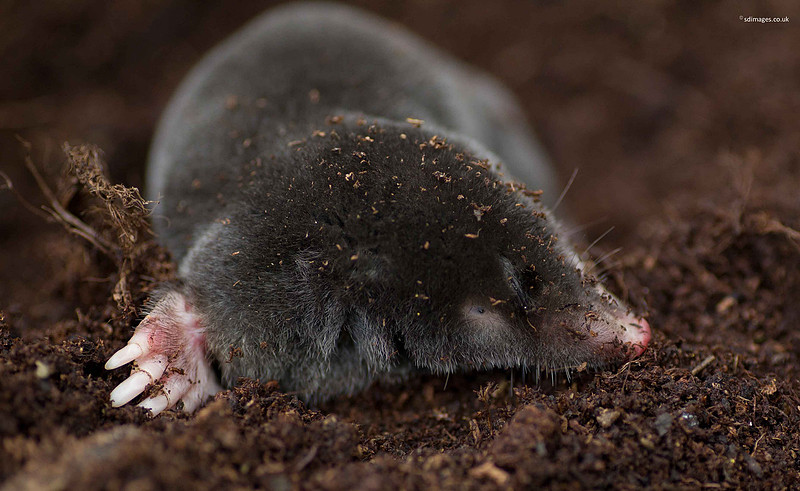
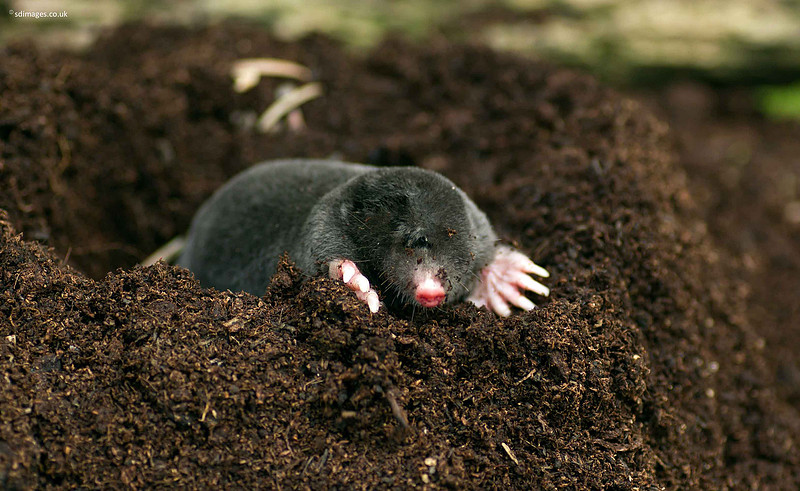
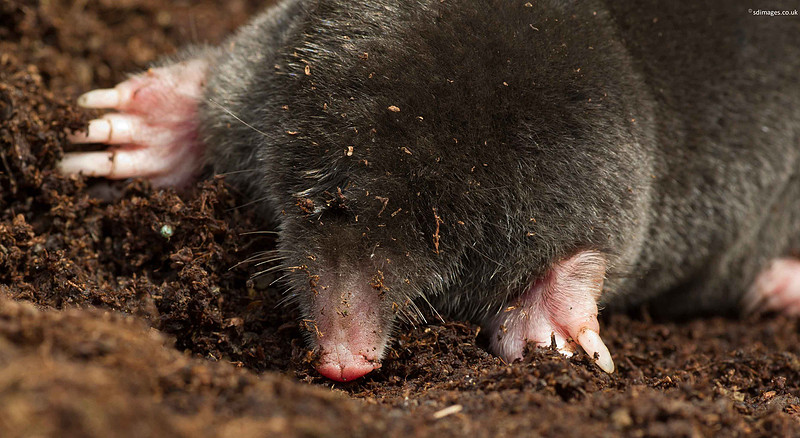
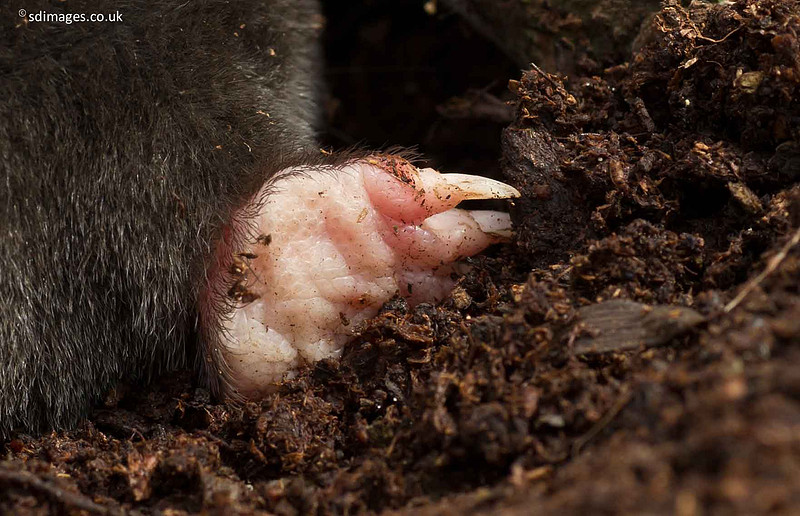
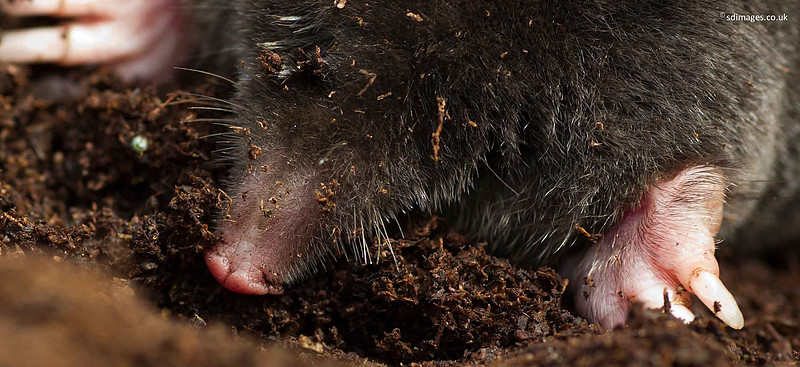
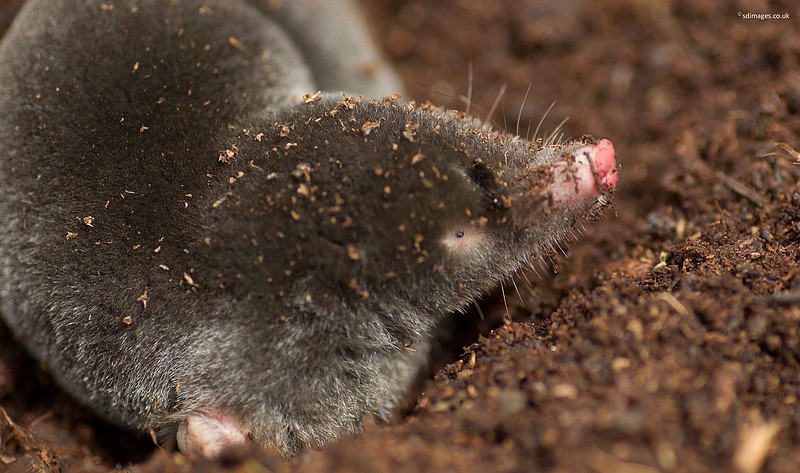
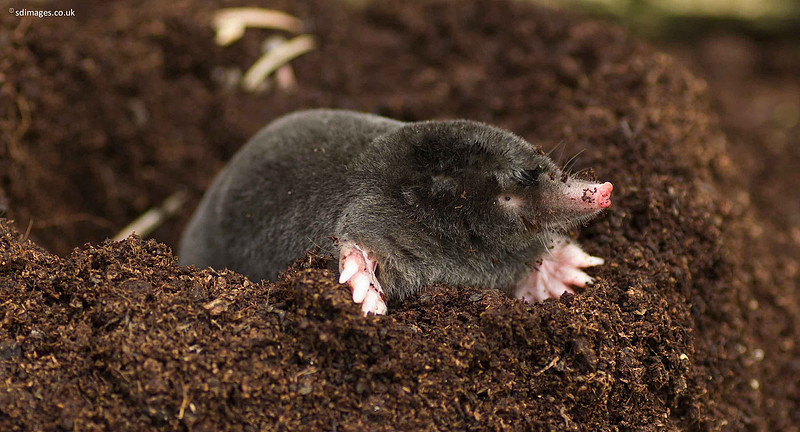
Mole
Moles can dig 20 metres of tunnel every day, leaving mounds of earth on the surface as they excavate their tunnels.
Chambers within the tunnel are lined with grass used for nesting during periods of rest.
Moles feed mainly on earthworms, but they also eat a variety of invertebrates, as well as snakes and lizards.
Habitat: deciduous woodland and grassland .
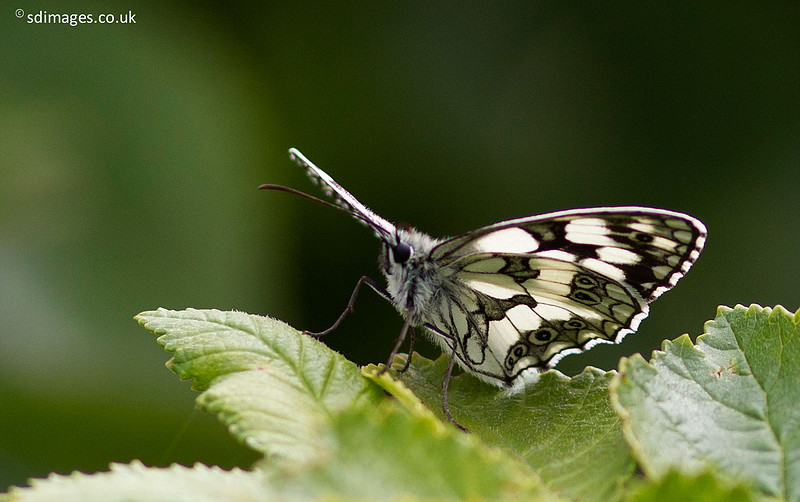
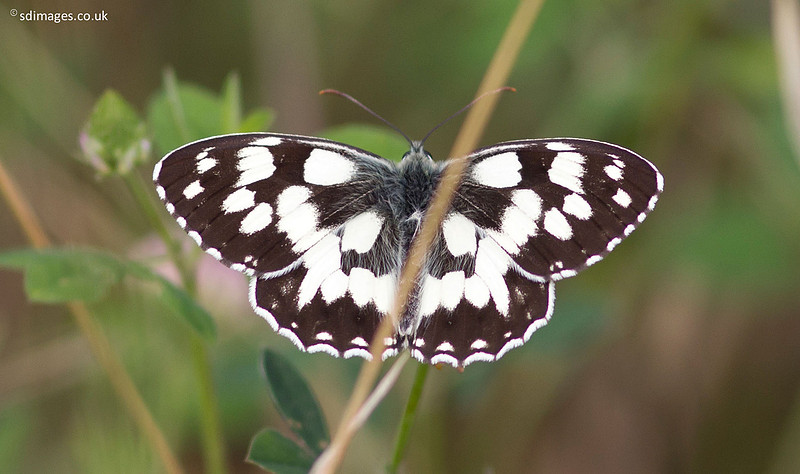
Marbled White
The Marbled White is a butterfly in the family Nymphalidae. Found across most of Europe, south Russia, Asia Minor and Iran.
There is an isolated population in Japan. It is not found in Ireland, North Britain, Scandinavia and Portugal or Spain.

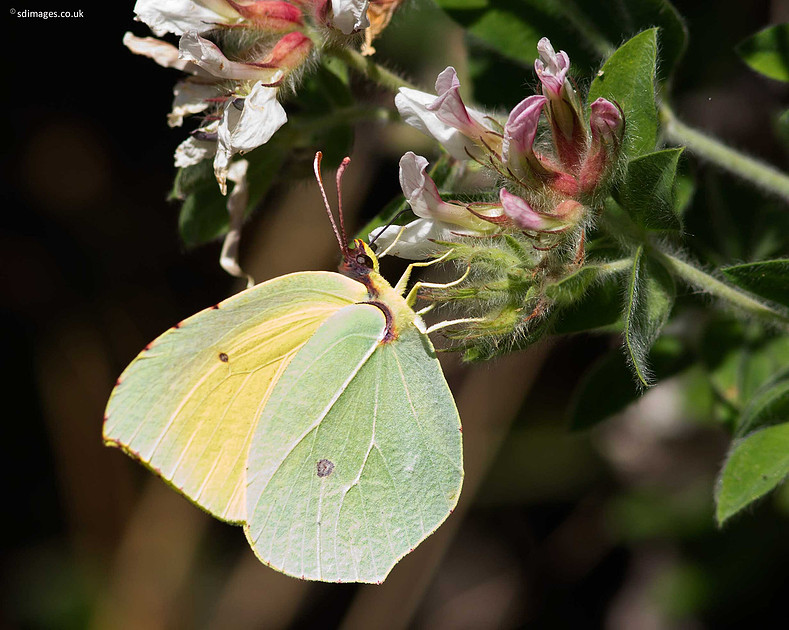
Cleopatra
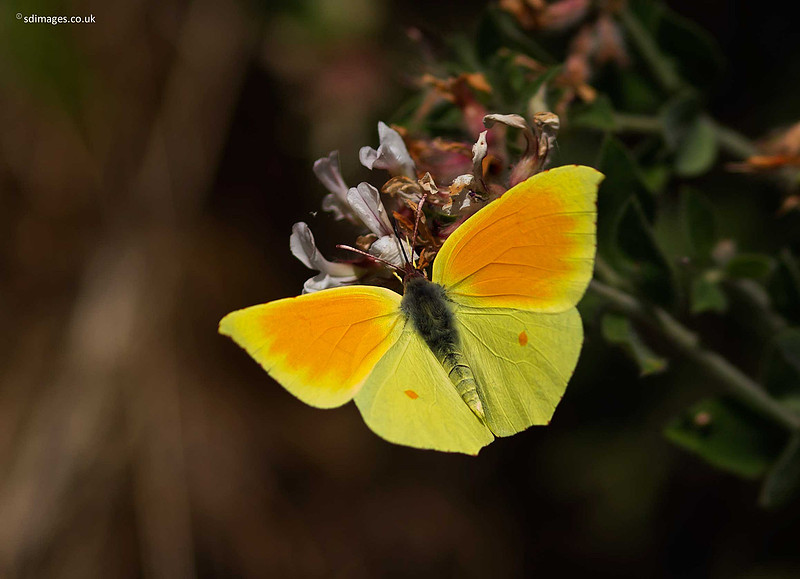
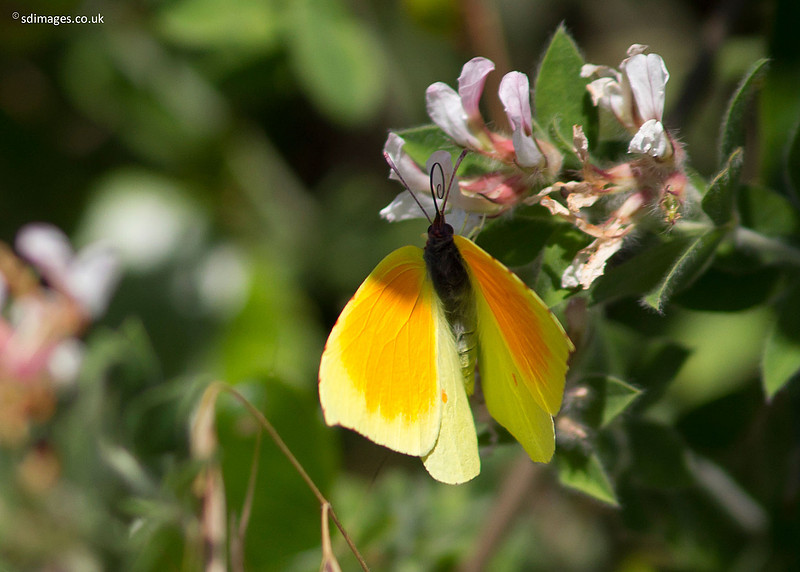
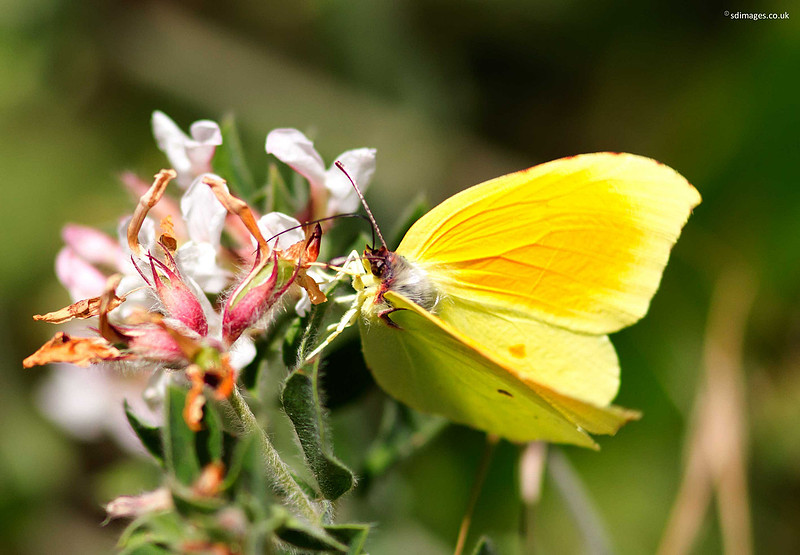
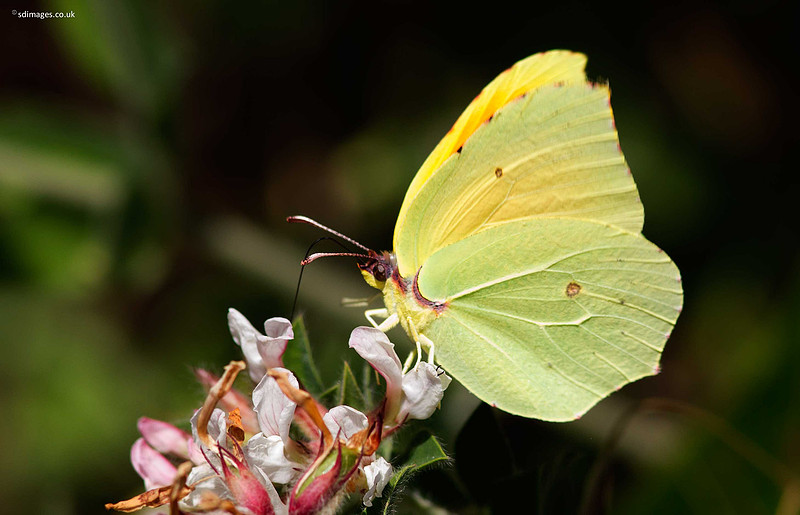
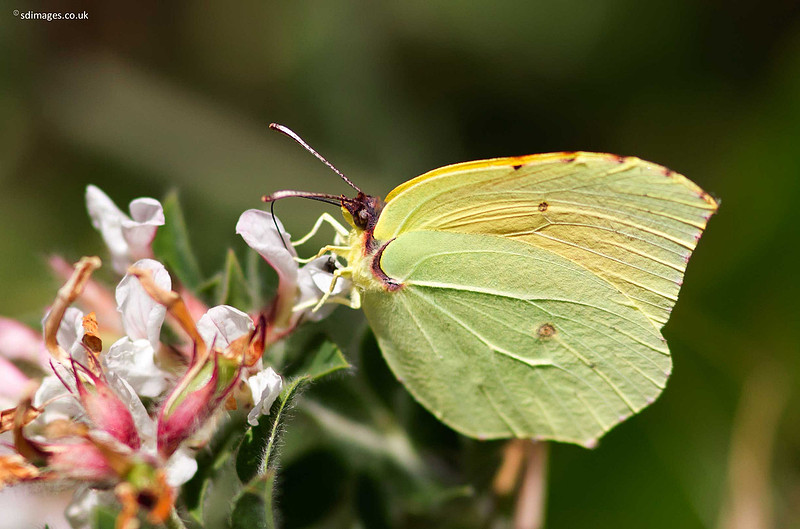
Gonepteryx cleopatra is a medium sized butterfly with a wingspan of about 50-70 mm (2.0-2.8 inch). It is a sexually dimorphic species - the female has pale yellow or greenish wings, the male is darker yellow with an orange patch on the forewing.
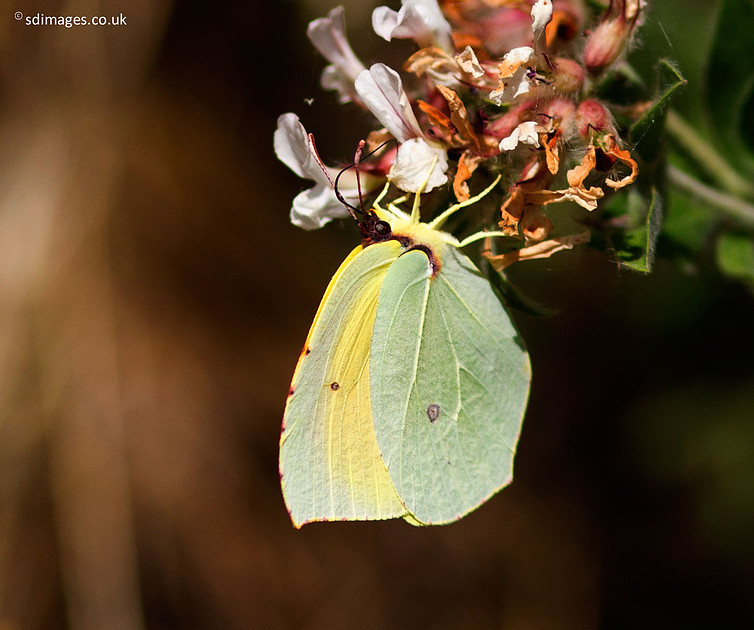
Both sexes have a forewing apical hook and brown dots in the center of each wing, and the underside of wings is light greenish yellow.
The greenish colour, the shape and the pronounced venation on the hindwings give to these butterflies a good camouflage, making them resemble just leaves.
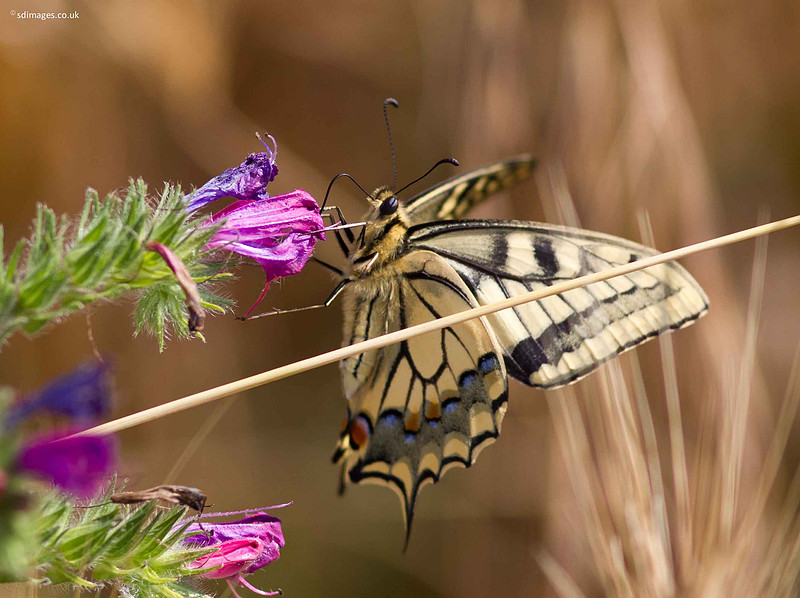
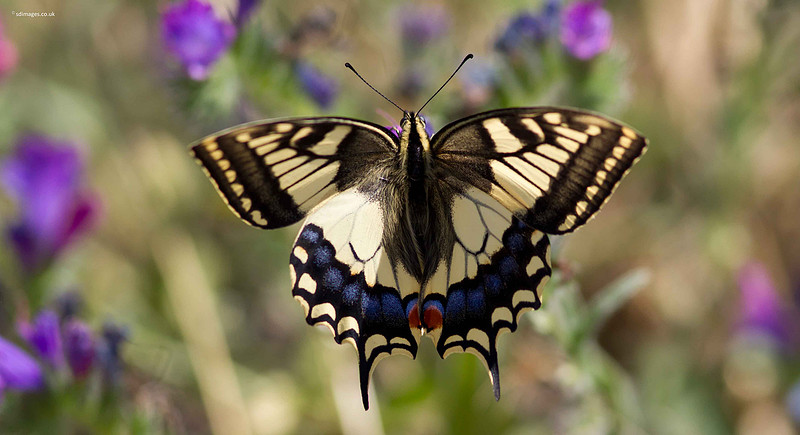
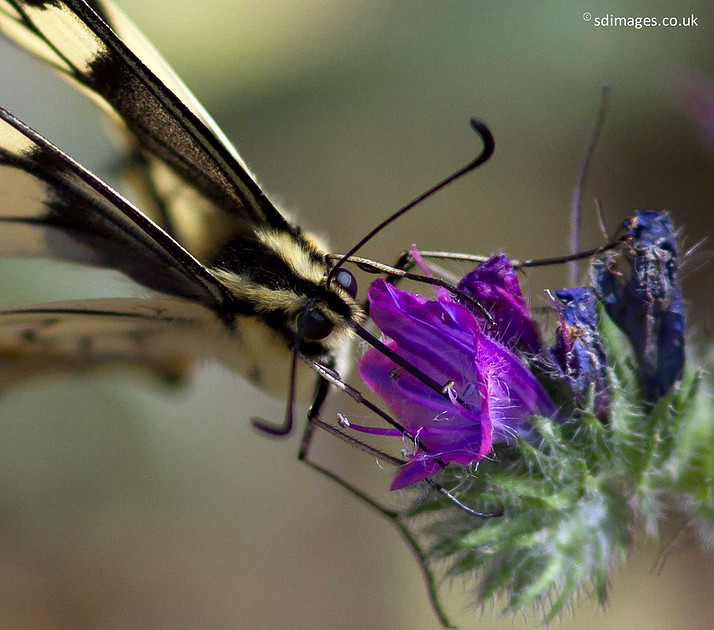
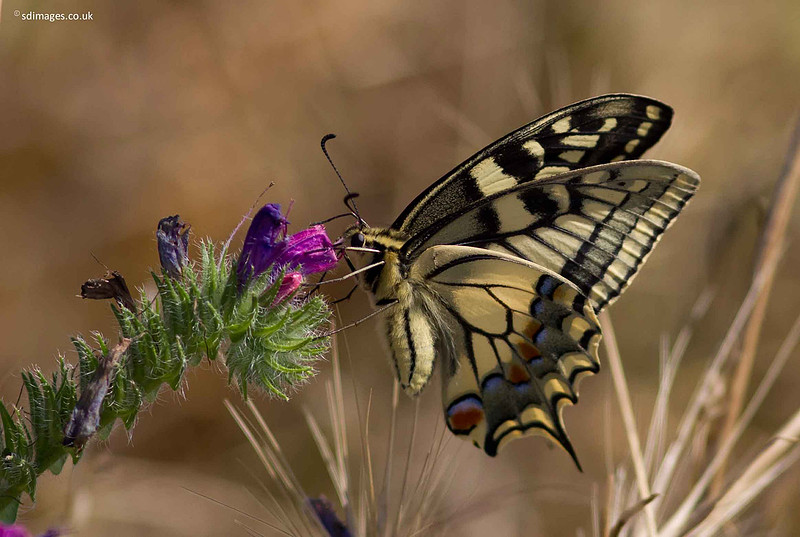
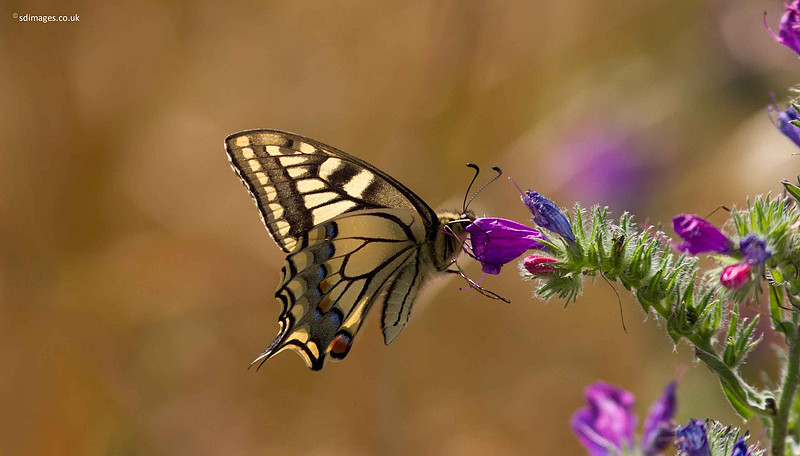
Swallowtail
Swallowtails are striking butterflies and strong fast flyers. The large yellow and black wings have a protruding tail, resembling that of a swallow. With a wingspan of around 10 centimetres, they are the largest resident butterfly in the UK. Britain has its own race of swallowtails (Papilio machaon britannicus) that's only found in the fens and marshes of the Norfolk Broads.
The European race (Papilio machaon gorganus) is quite common and is found all over Europe, Asia and even North America. Swallowtails brood once, twice or even three times in a year.
More in the folder
Bee-fly

The Dark-edged Bee-fly looks rather like a bumblebee, with a long, straight proboscis that it uses to feed on nectar from
spring flowers such as primroses and violets. It is on the wing in the early spring, when it can often be seen in sunny patches.
In flight, it is even more like a bee as it produces a high-pitched buzz.
This species is common, but the Heath and Mottled Bee-flies, are classified as Priority Species in the UK Biodiversity Action Plan.


Hummingbird Hawk Moth
Macroglossum stellatarum, known as the Hummingbird Hawk-moth or sometimes the Hummingmoth.
Its long proboscis and its hovering behaviour, accompanied by an audible humming noise, make it look remarkably like a hummingbird while feeding on flowers.


The resemblance to hummingbirds is an example of convergent evolution. It flies during the day, especially in bright sunshine, but also at dusk, dawn and even in the rain, which is unusual for even diurnal hawkmoths.


More in the folder


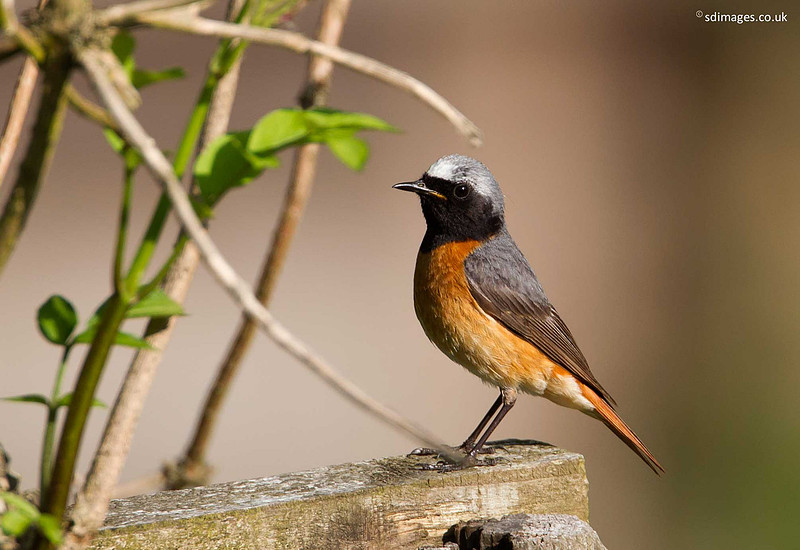
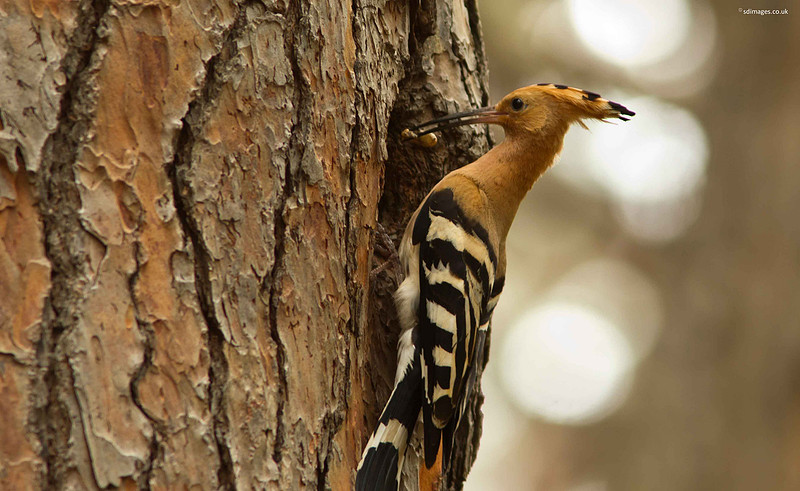
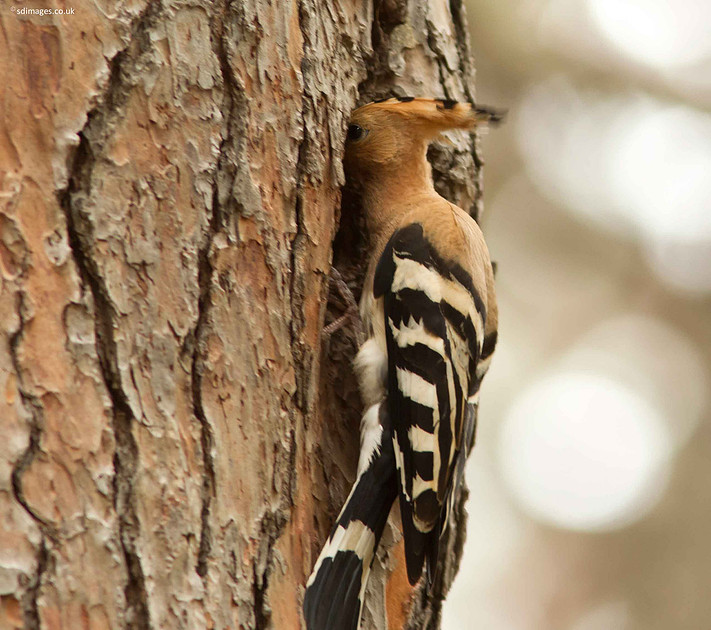
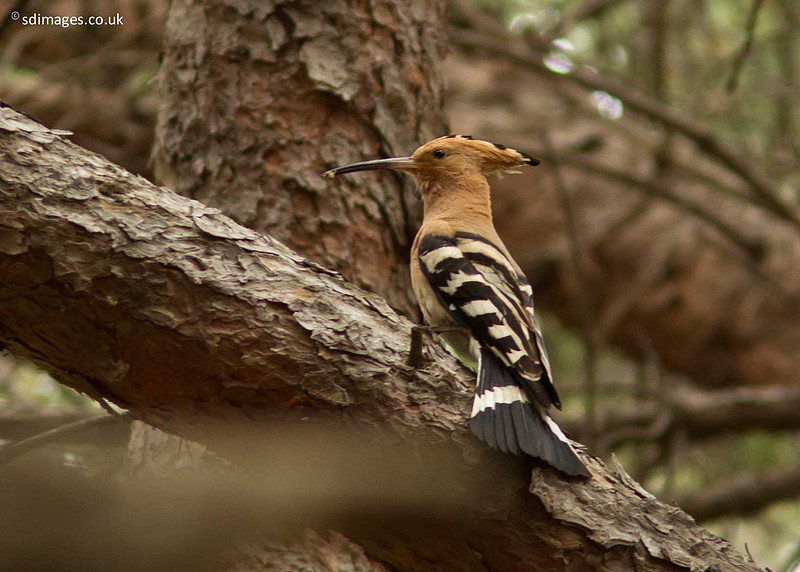
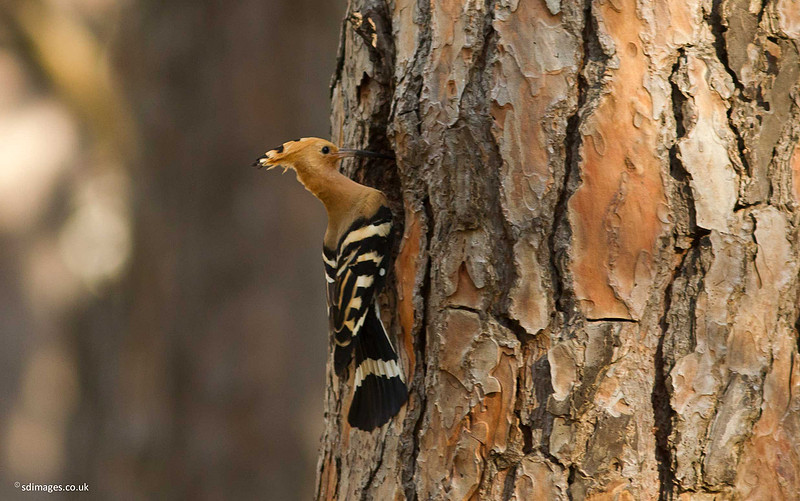
Hoopoe
On the first day of our two week holiday to Tuscany I came across this Hoopoe at a local nature reserve.
The light was not good for photographing birds, with speeds as low as 30th sec.
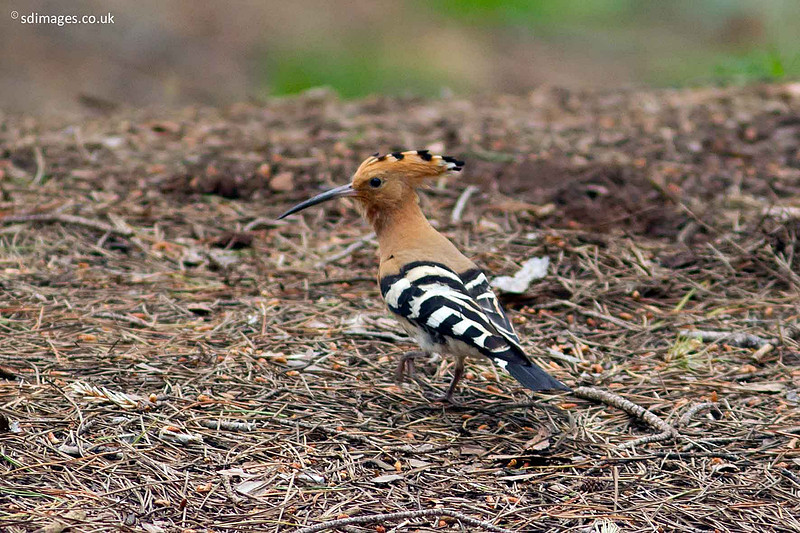
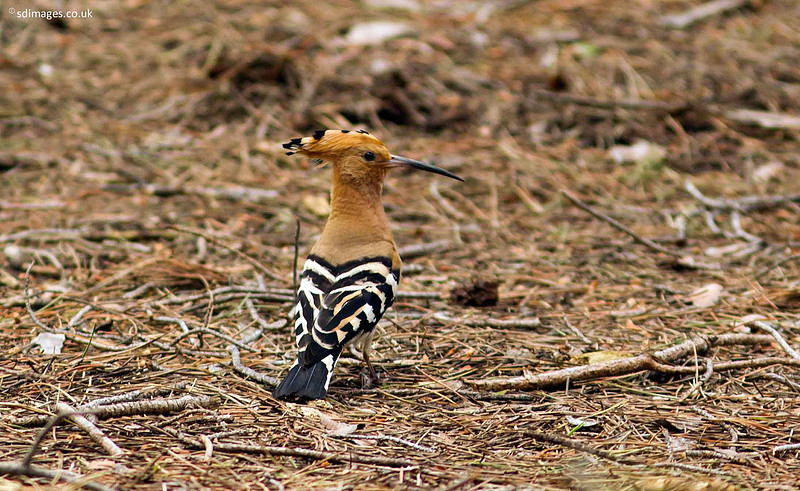
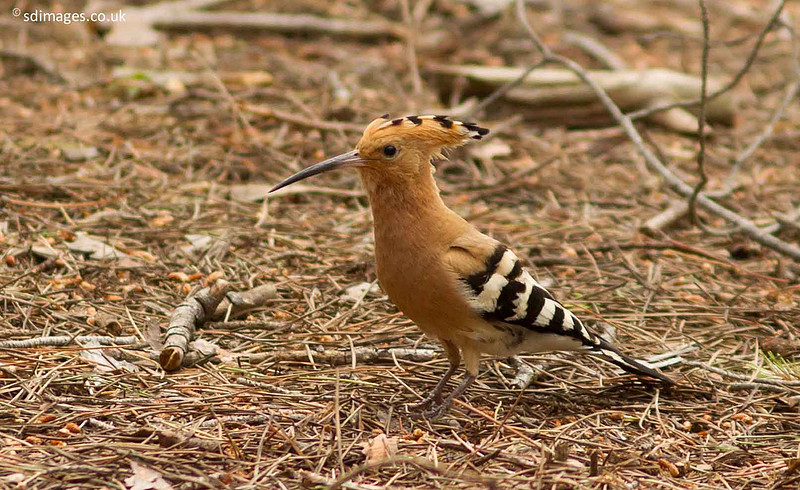
After taking a few shots the Hoopoe flew off deeper into the woods as I tracked it flight path it landed on the side of a Pine tree,
where it had a nest.
More later
Putting your best foot forward
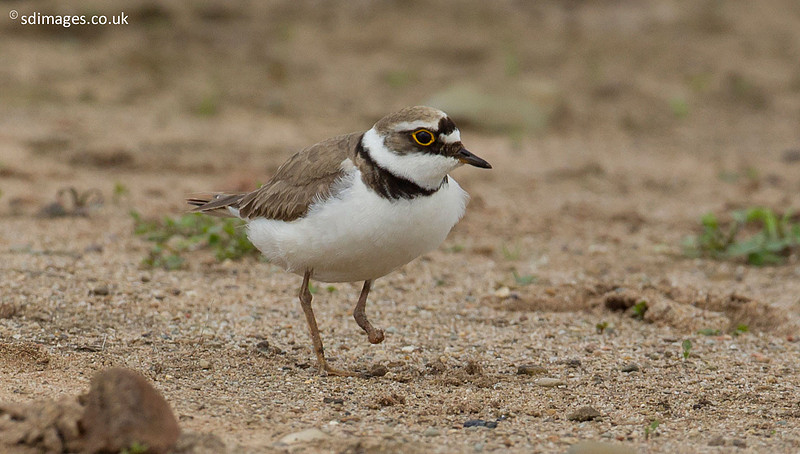
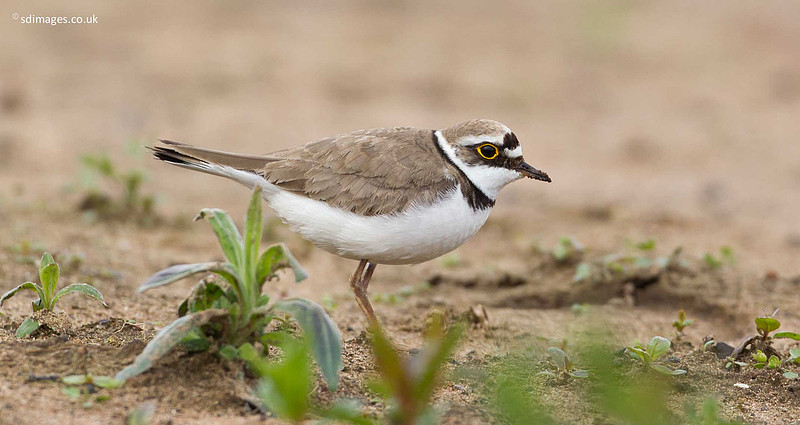
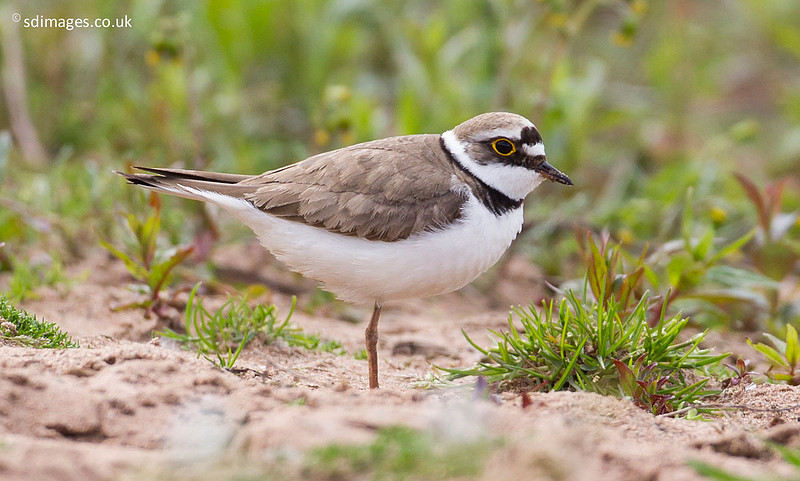
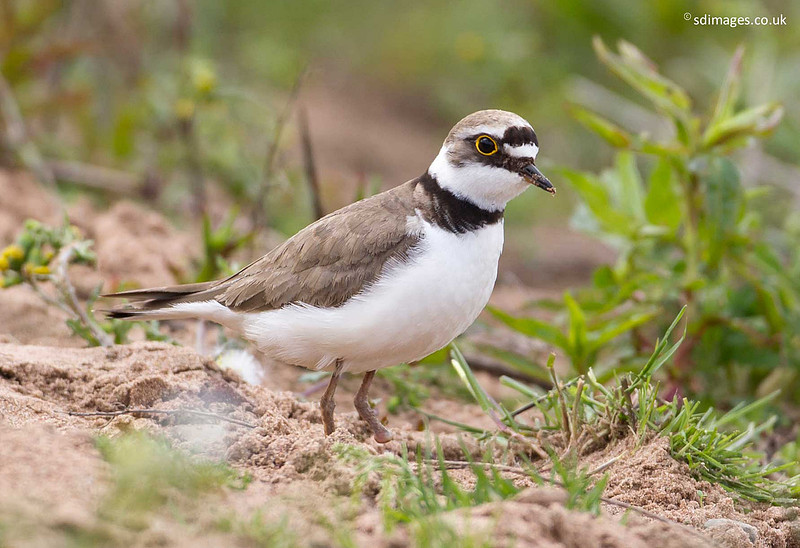
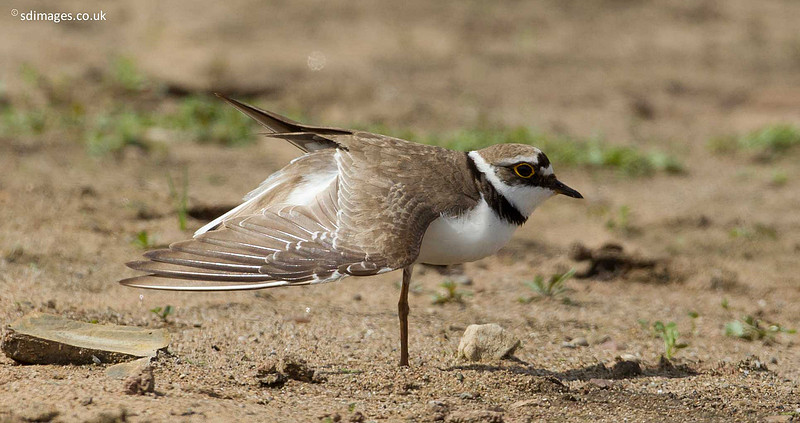
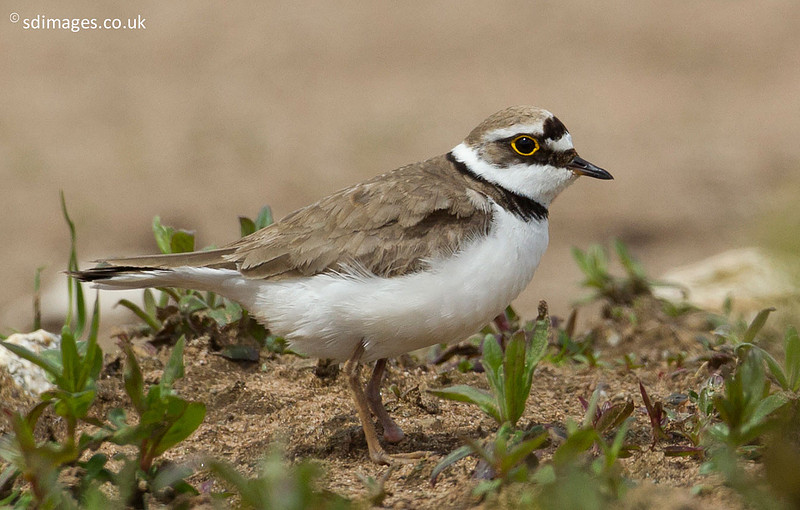
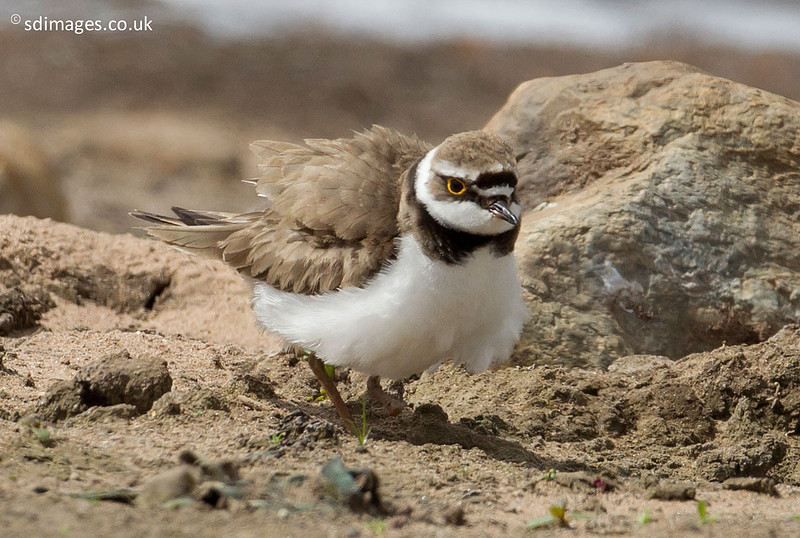
Having a foot missing has not had a detrimental effect on this Little Ringed Plover apart from running.
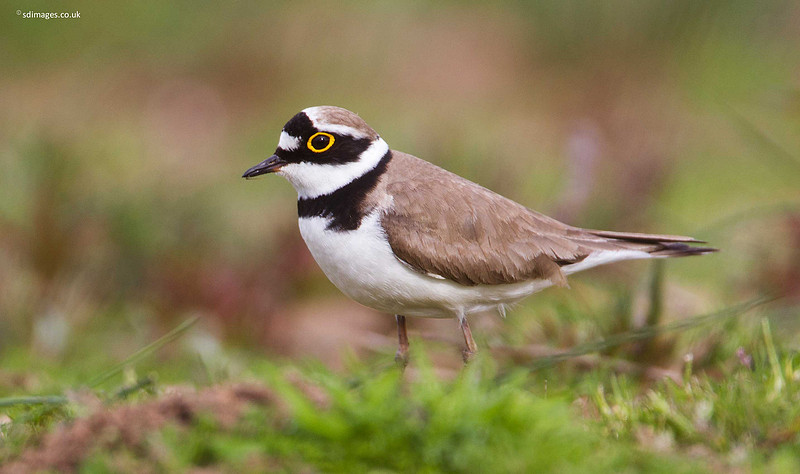
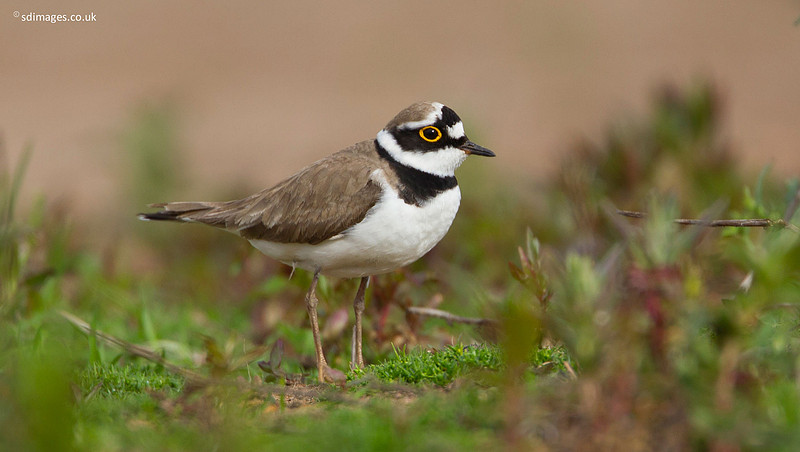
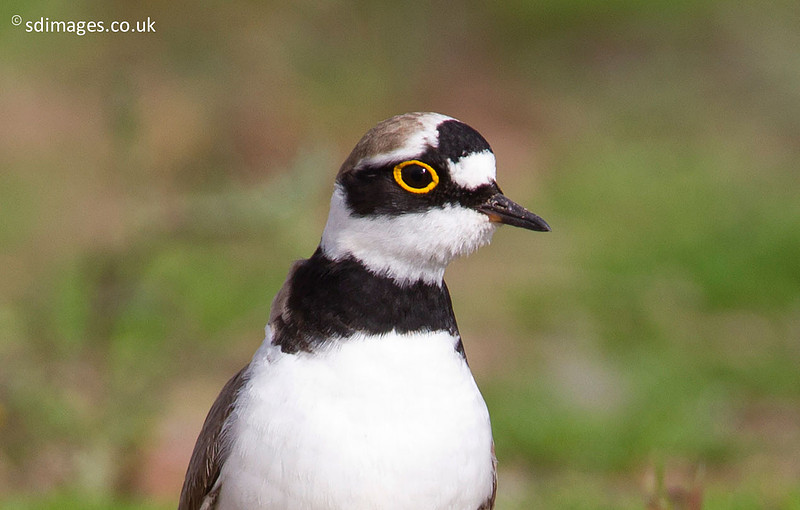
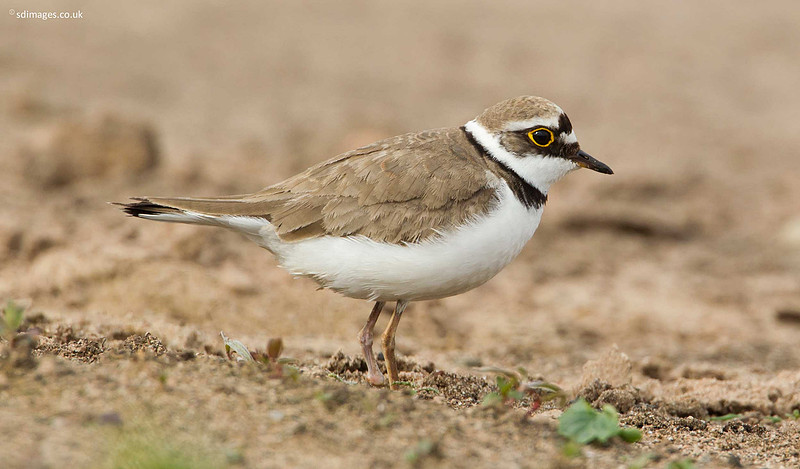
It seems to be surviving very well.
More in the folder