 Hello and welcome
I have always had a keen interest in wildlife and the great outdoors;
I was an Angler for over 30 years but gave it up a few years ago to
concentrate on photographing wildlife. I lived in Runcorn; Cheshire a
short distance from the M56 that gave me great access to the Wirral,
Northwales and Lancashire, with some great countryside on my doorstep
I didn't have to travel too far in search of wildlife and photographic
opportunities.
Some of my wildlife photographs range from as far afield as Cuba,
Antigua, Saint Martin, Saint Lucia, Dominican Republic, Tuscany ,
Corfu, Turkey, Spain, Portugal.
I now live in the Charente area of western France.
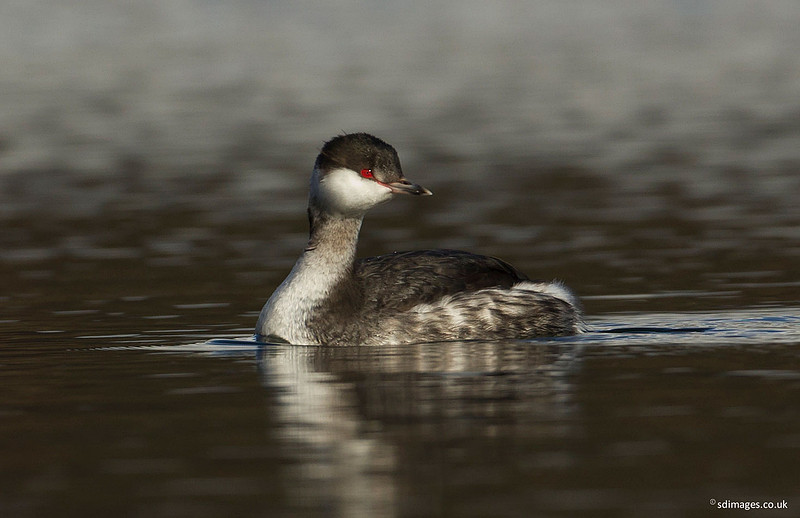
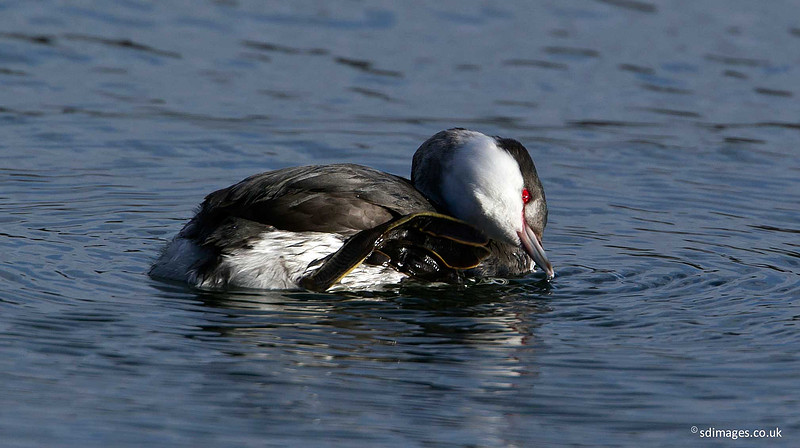
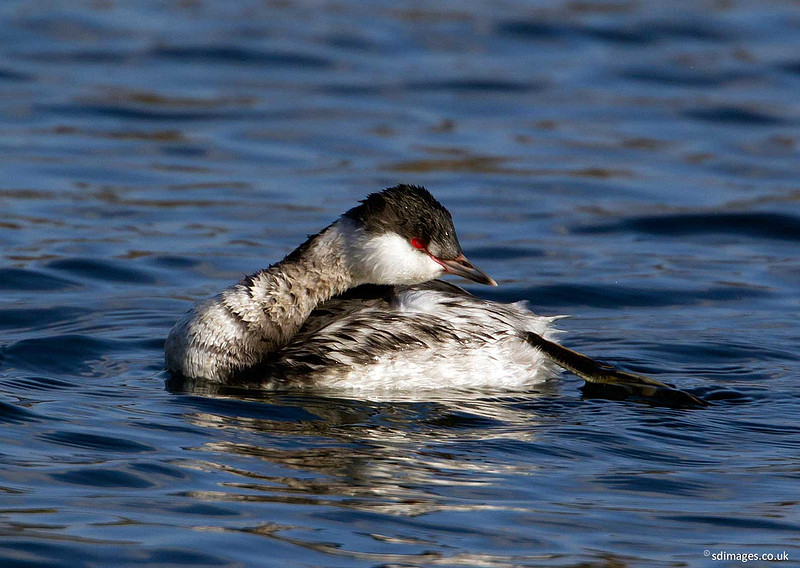
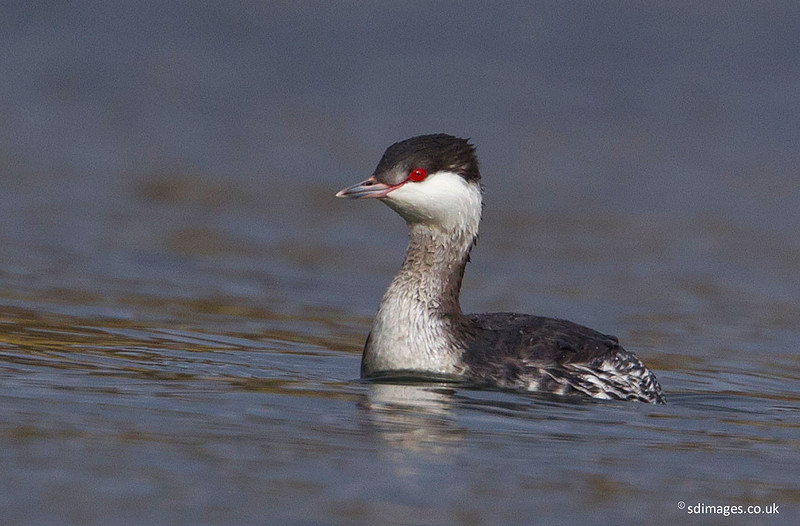
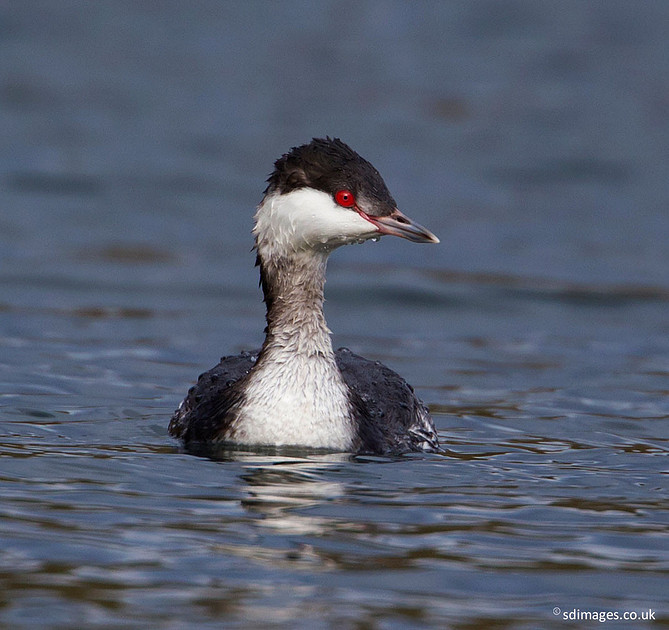
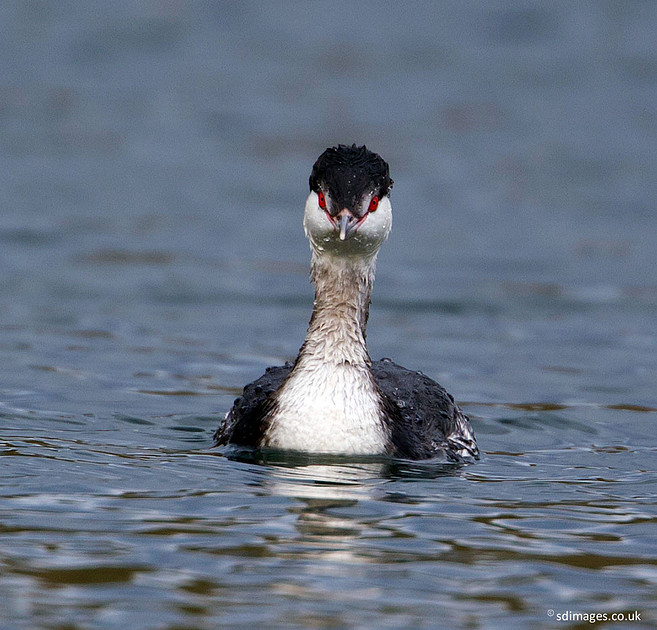
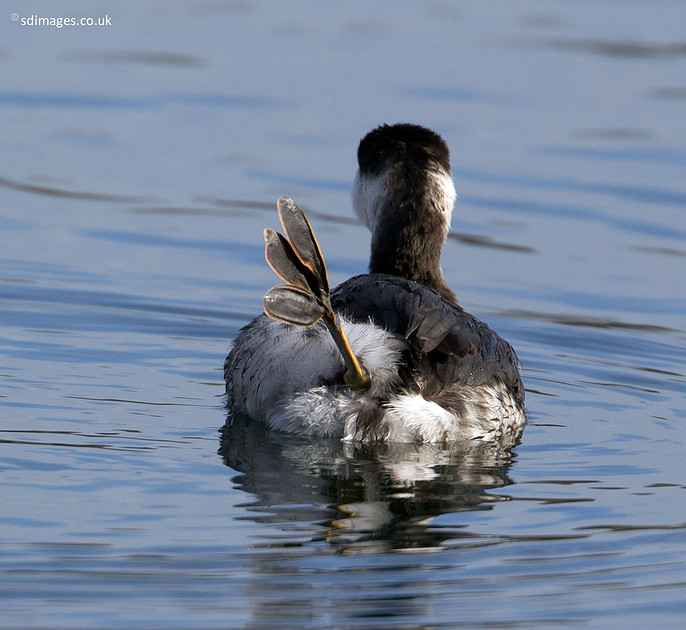
Last visit for the slavonian Grebe
I called in at Astbury Mere for my last visit to photograph Slavonian Grebe. I arrived late morning and found the bird it its usual spot. Peter and Susan Wilson had the same idea and were taking some photographs; their web site www.astlandphotography.co.uk is worth a visit.
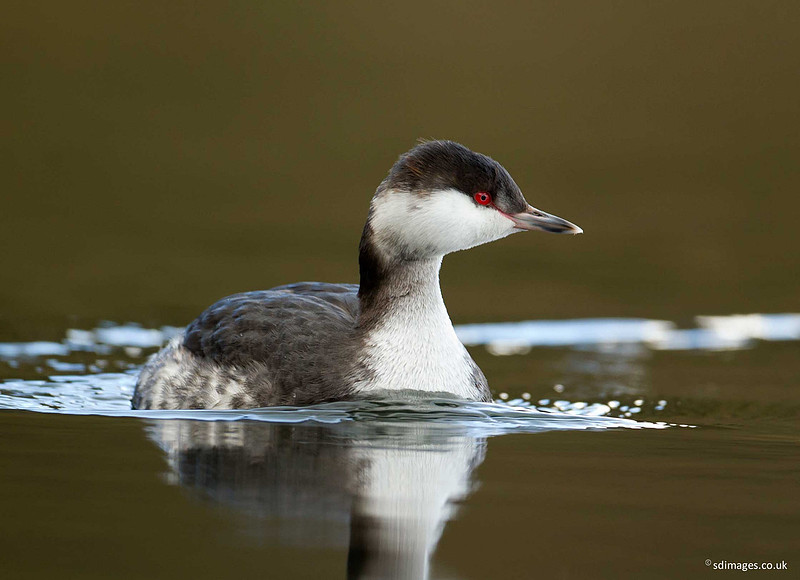
The light was not great and it didn’t last long but the bird continued to put on a show
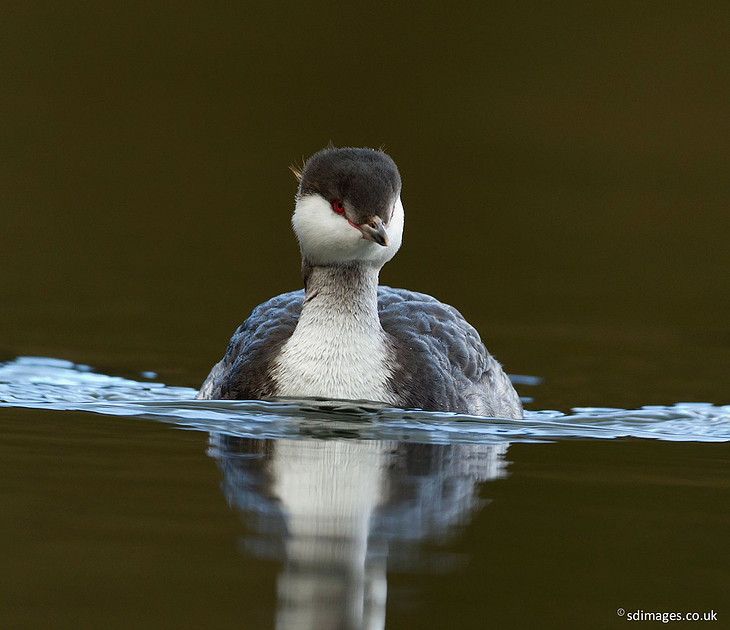
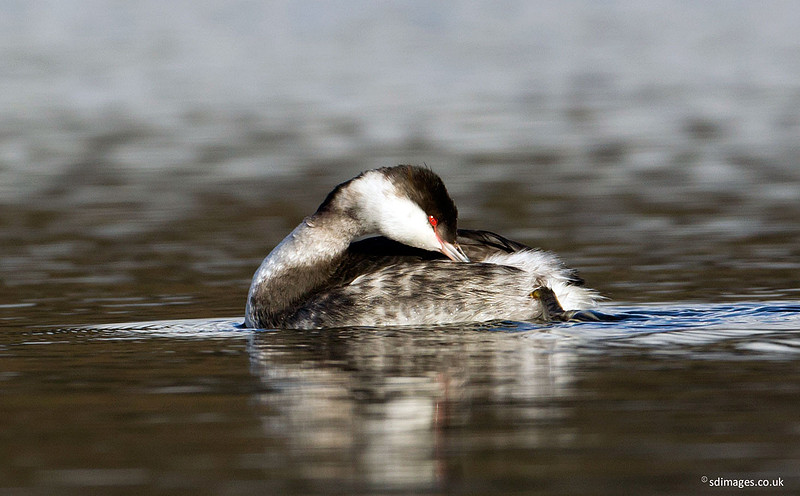
The light soon faded so after a few shots I left for home
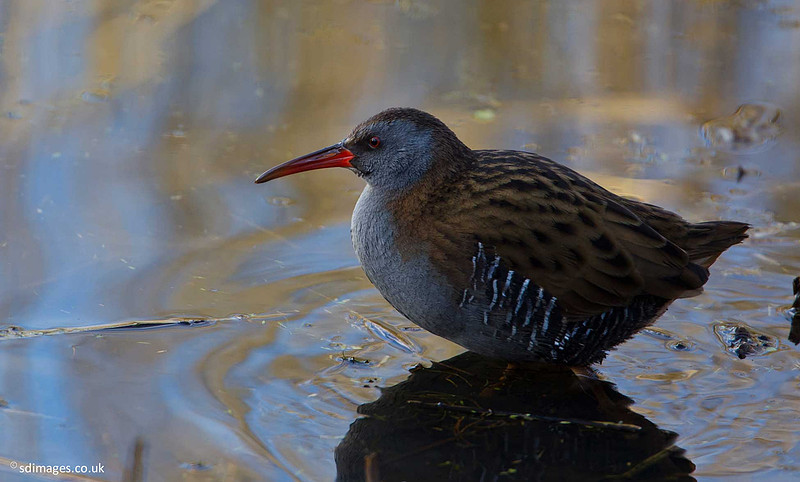
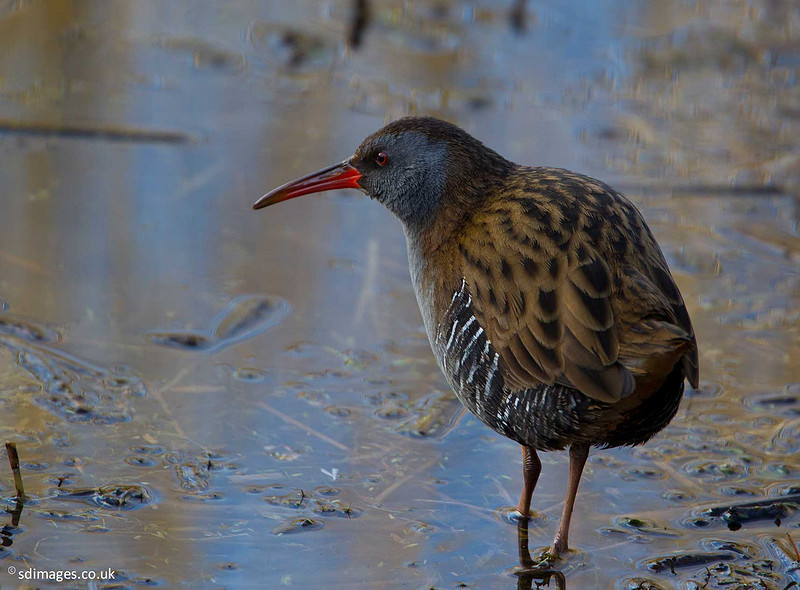
Water Rail
Water Rail at Mere Sands Wood Nature Reserve Lancashire
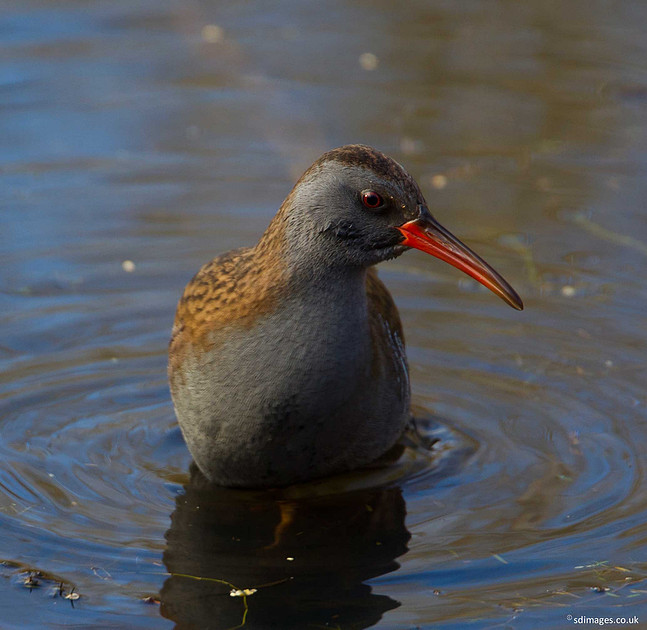
Mere Sands Wood is run by Lancashire Wildlife Trust
Info from Web site
Mere Sands Wood is a wildlife-rich haven in the heart of agricultural west Lancashire. The reserve covers 42 hectares (105 acres) and is made up of lakes, mature broadleaved and conifer woodland, sandy, wet meadows and heaths. The management of the reserve is designed not only to encourage wildlife, but also to provide facilities for people to visit and enjoy seeing the wildlife. The site is nationally important for wildfowl and dragonflies, as well as its geology, and has a fascinating history. It stands on an area of layered sand and peat, which was deposited by the wind over boulder clay during the last Ice Age, and by periods of water logging following this period.
The sand and peat layers have remained almost undisturbed since this time and are therefore of international importance in the understanding of the changes that occurred to the Lancashire coastline since the ice retreated northwards.
This geological interest warranted the reserve being designated as a Site of Special Scientific Interest (SSSI) in 1985. The name 'Mere Sands' dates back to medieval times when the area was on the shore of a large lake called 'Martin Mere'. The lake was gradually drained for agriculture along with large areas of surrounding peatland. Lord Hesketh planted the original woodland on the site in the mid-nineteenth century and Rhododendron was added later.
The sand proved to be of value for glass-making and extraction companies quarried the site between 1974 and 1982. During this period, the Trust members and the local community worked with Lancashire County Council to require the extraction company, under a planning agreement, to landscape the site into a nature reserve once the extraction was completed.
Close liaison with the quarrying company ensured that belts of the best woodland were left undisturbed during extraction to save as much wildlife as possible and screen the works. Extracted areas were landscaped into shallow-edged lakes with marsh and dry heath conditions nearby. On completion of the sand winning in 1982, the Trust acquired the site.
Since 1982, many thousands of hours have been invested by Trust volunteers, government trainees and staff developing the site into its present form. Hides have been built, footpaths established and reedbeds have been encouraged. The Reserve continues to develop and there are many opportunities for people to share in this work.
The mature woodland is mainly Birch with some Oak but there is also a mature Scots Pine plantation in the south-east corner, which supports a small population of red squirrels. Other mammals that inhabit or visit the reserve include foxes, rabbits, stoats and roe deer. Water voles and hares are found on neighbouring arable land.
Much Rhododendron has been removed from the reserve, which has allowed the re-establishment of the native flora such as Broad Bucker Fern, and several species of Bramble. Over 200 species of fungi have been recorded on the reserve. The lakes are developing an interesting aquatic flora; some of this has been augmented with the establishment of locally sourced reed beds on the lake shores.
Wet grasslands and dry heaths occur on areas refilled after sand extraction and now support many wildflowers including Marsh Helleborine, Common Spotted, Early and Southern Marsh and Bee Orchids and notable populations of Golden Dock, Yellow Bartsia, Yellow-wort, Lesser Centaury and Royal Fern.
Perhaps the main wildlife interest at Mere Sands Wood is the over-wintering birds. Winter wildfowl populations include nationally important numbers of Gadwall and Teal, as well as Wigeon, Pintail, Shoveler, Pochard, Tufted Duck, Goldeneye and Goosander.
Locally important species include Mandarin Duck and Kingfisher and there are annual sightings of Willow Tit and Lesser-spotted Woodpecker. Breeding species include Great Crested and Little Grebes, Shelduck, Gadwall, Pochard and Tufted Duck, alongside Little Ringed Plover and Lapwing. Birds that breed in the woodland include Sparrowhawk, Kingfisher, Great Spotted Woodpecker, Treecreeper, and Redpoll alongside the common tit and warbler species.
Turtle Dove and Quail breed occasionally. In all, over 170 bird species have been seen on the reserve, of these 60 are known to have bred.
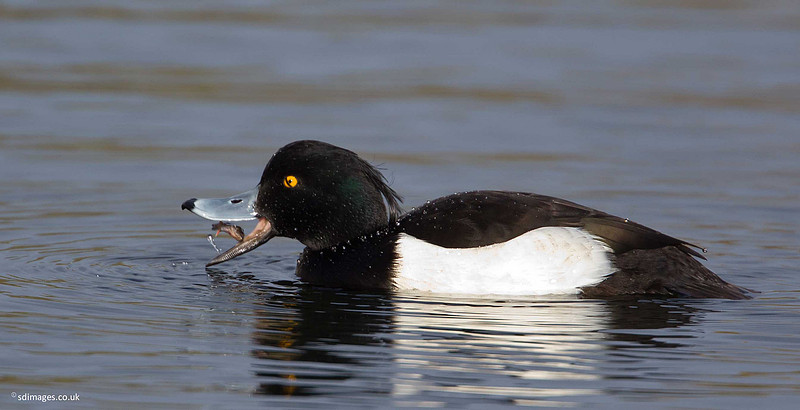
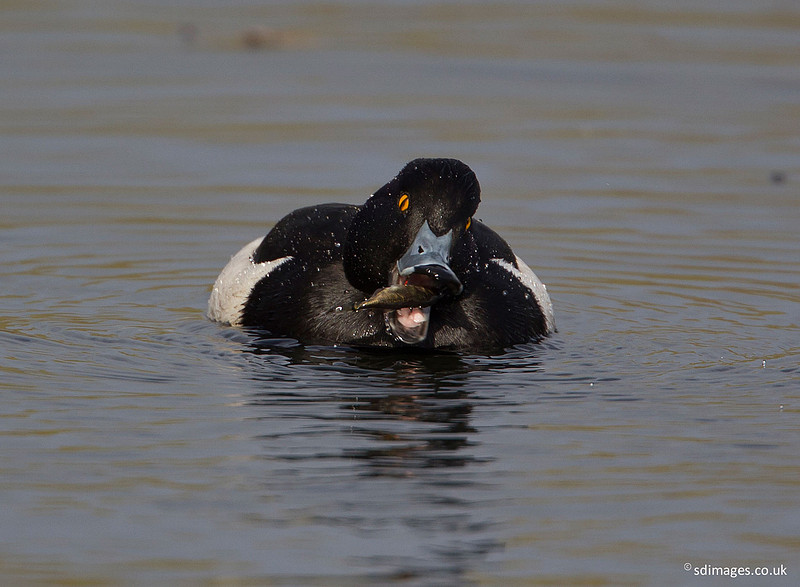
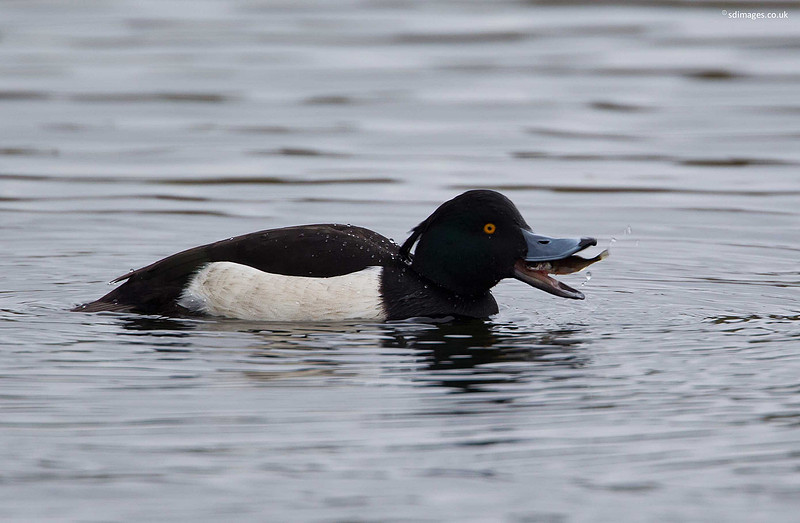
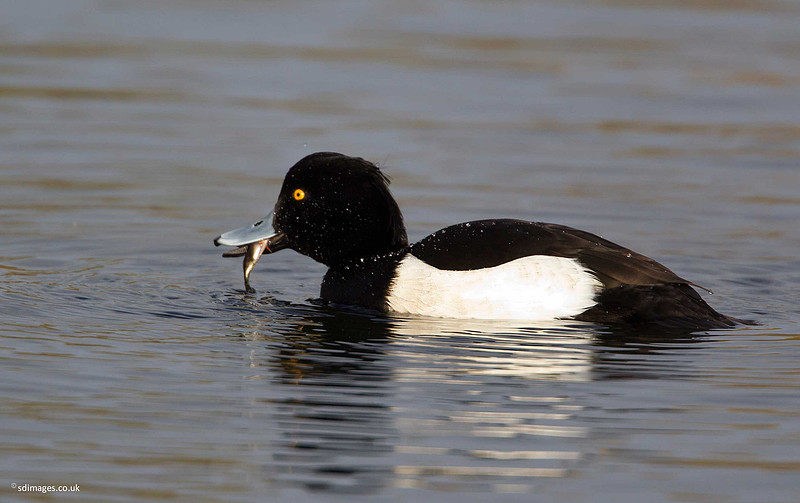
Tufted Ducks at Moore
Tufted Ducks feeding on Sticklebacks, not something I have seen before.
Smew at Moore Nature Reserve
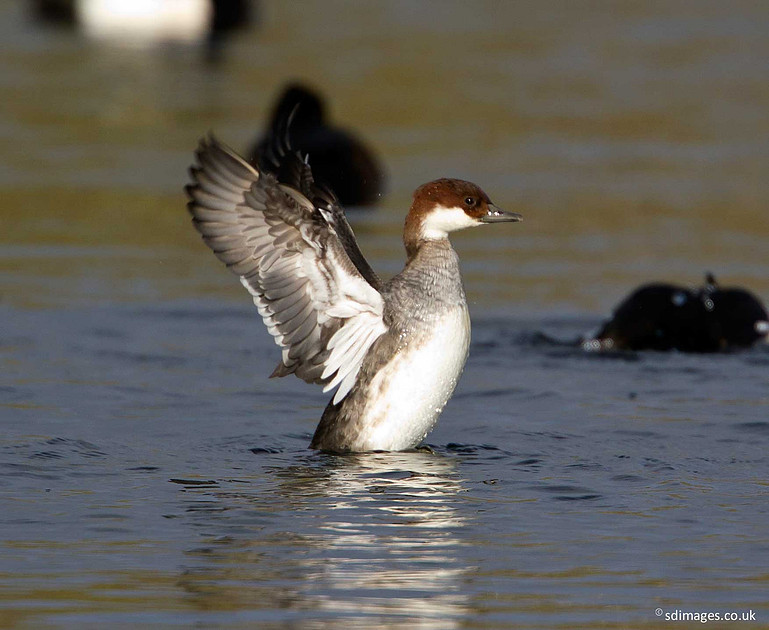
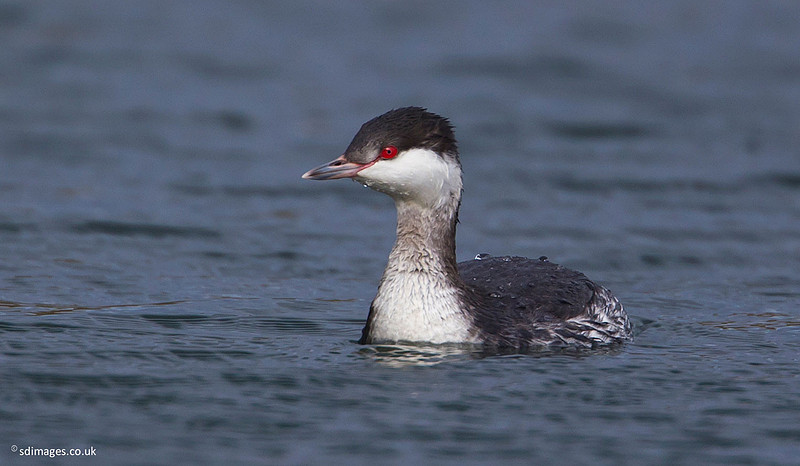
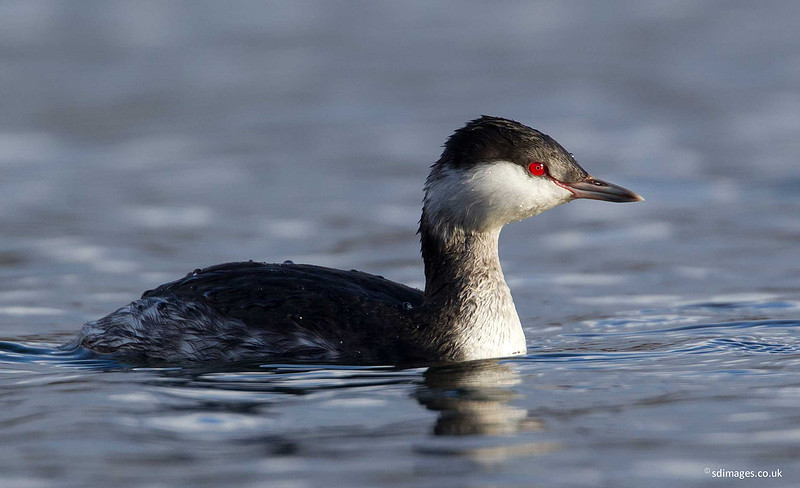
Slavonian Grebe at Astbury Mere
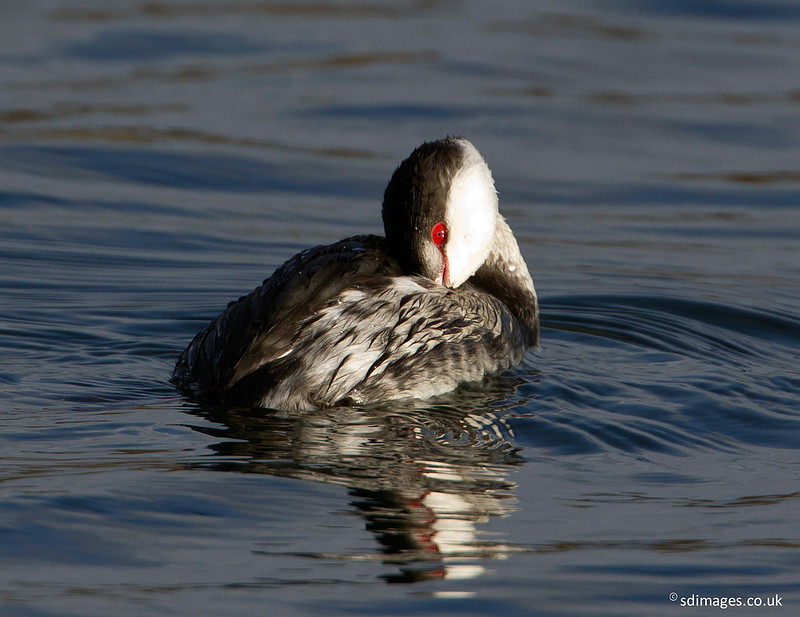
I have just finished processing the last Slavonian Grebe photographs from Astbury Mere. I was going to make one more trip before the bird is chased away by the Great Crested Grebes. If I can find the time next week I will return.
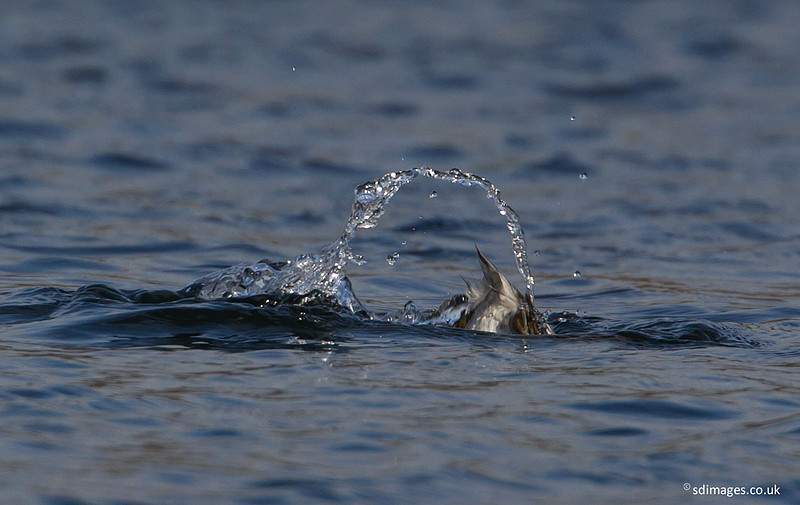
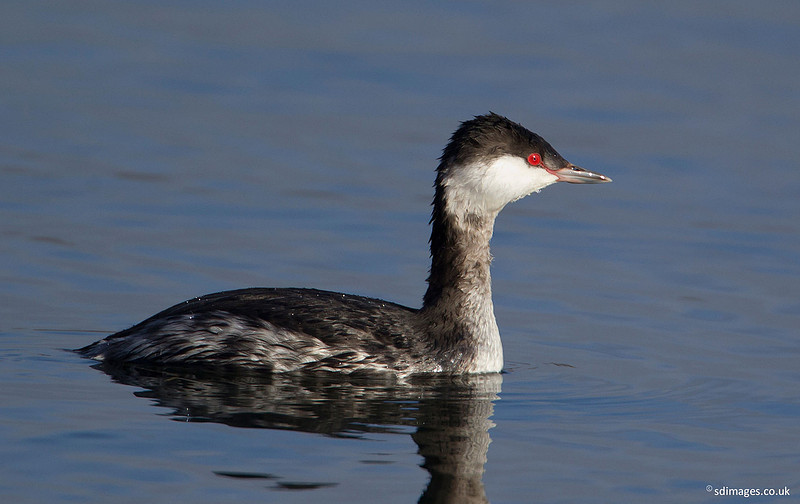
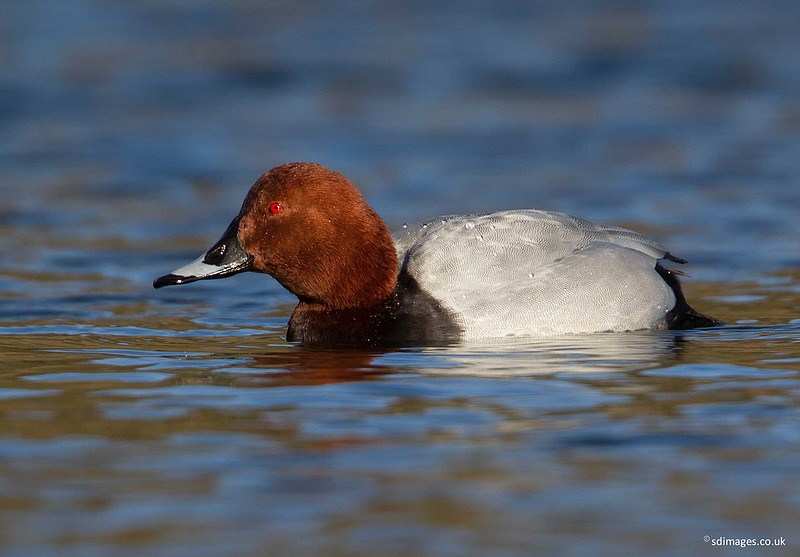
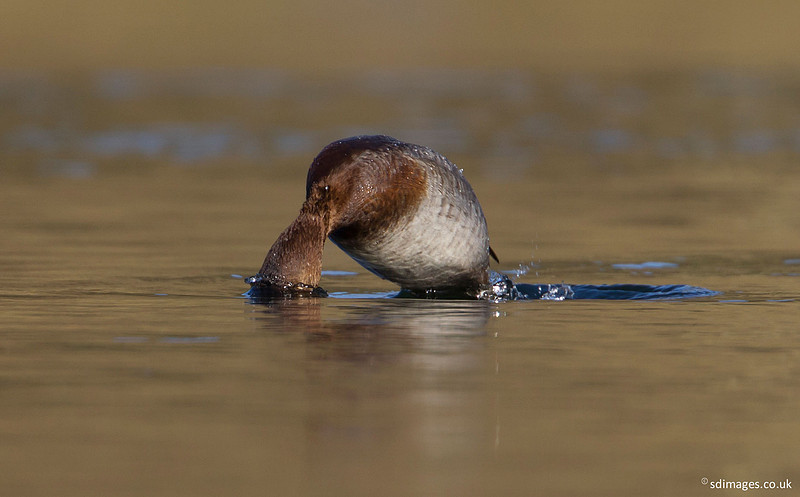
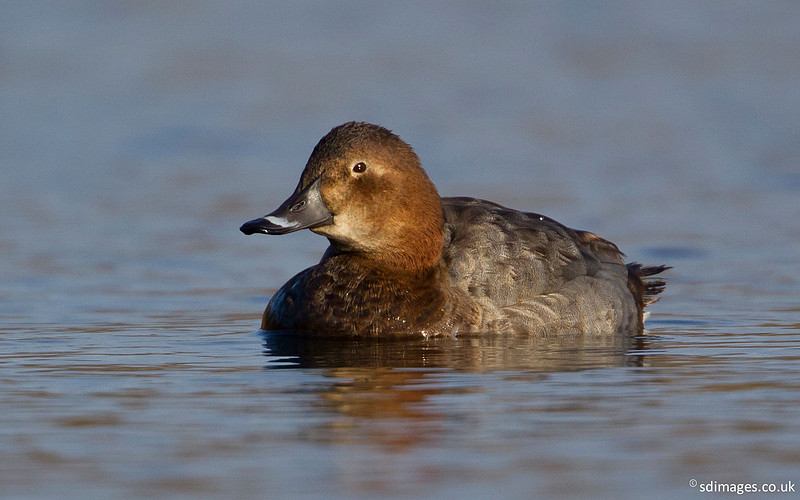
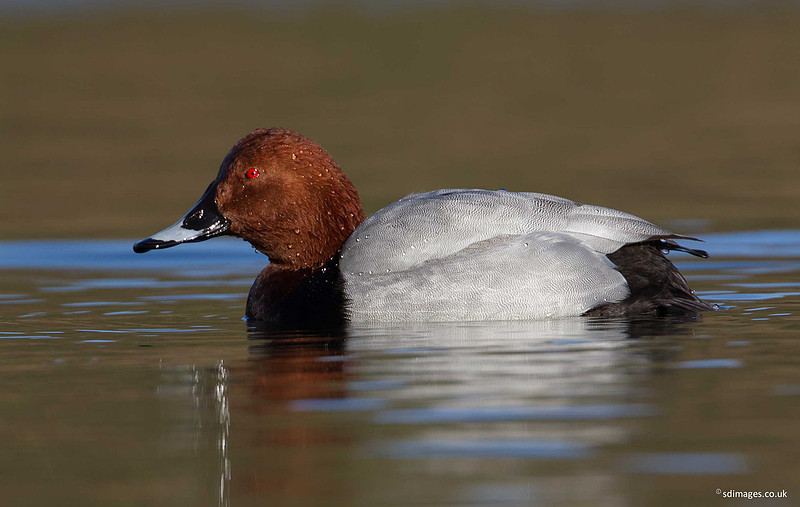
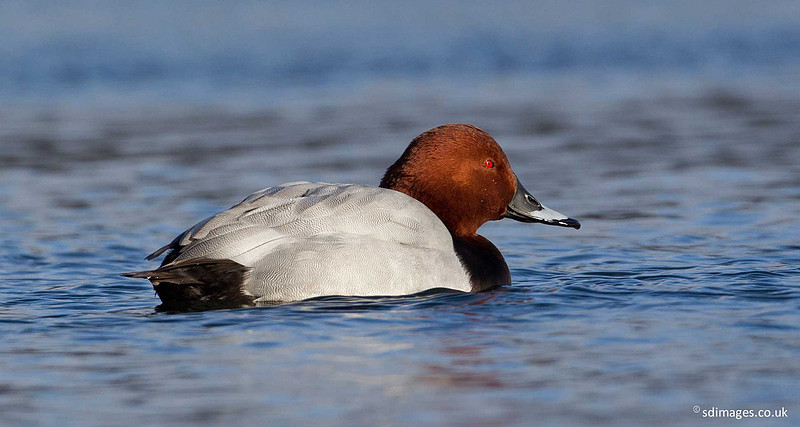
Pochard shots taken at Astbury Mere
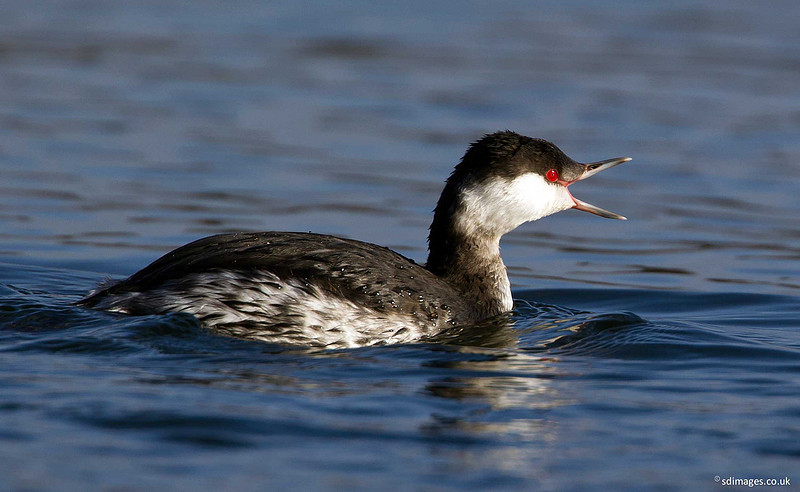
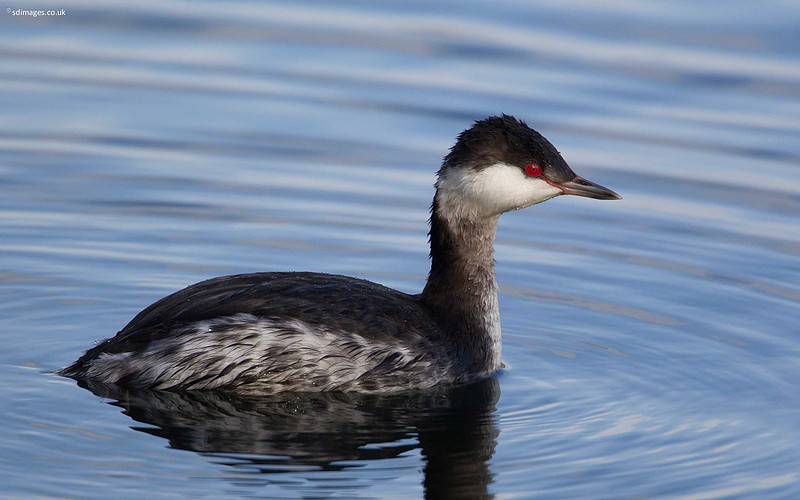
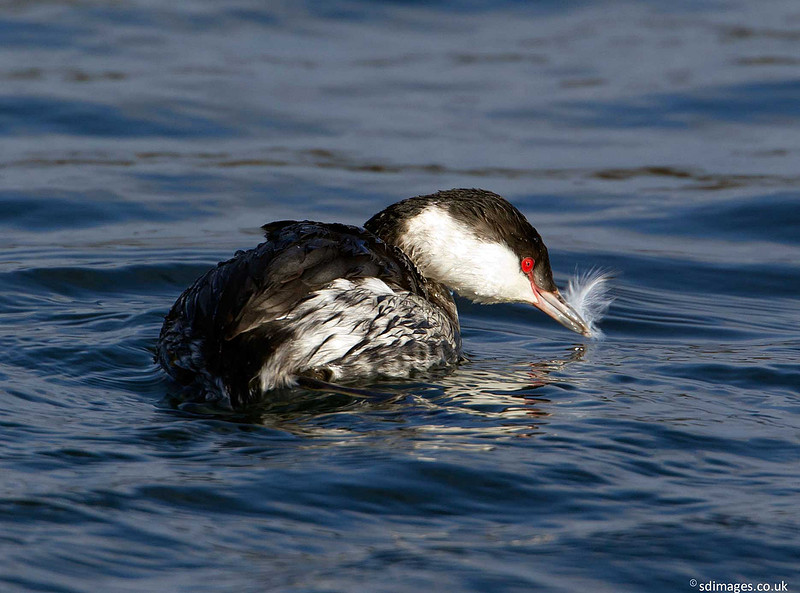
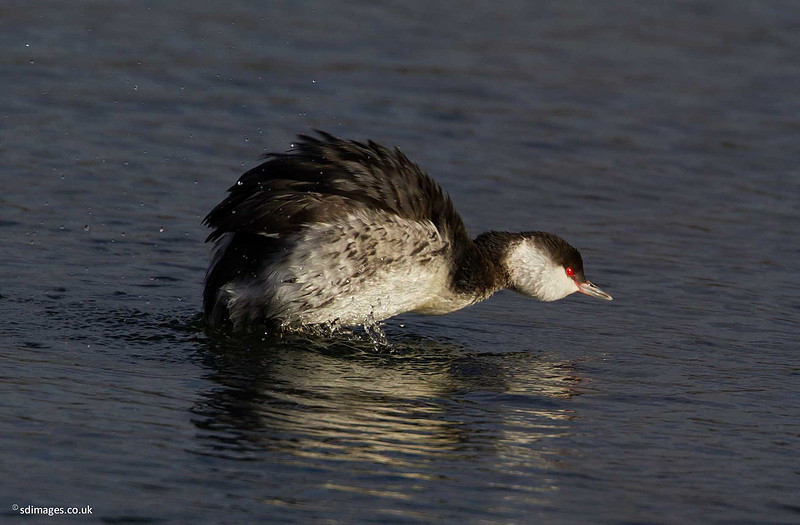
Attack of the Grebes
The Slavonian Grebe was happy feeding close to the bank but as it ventured out into the open water it came under attack from a
Great Crested Grebe.
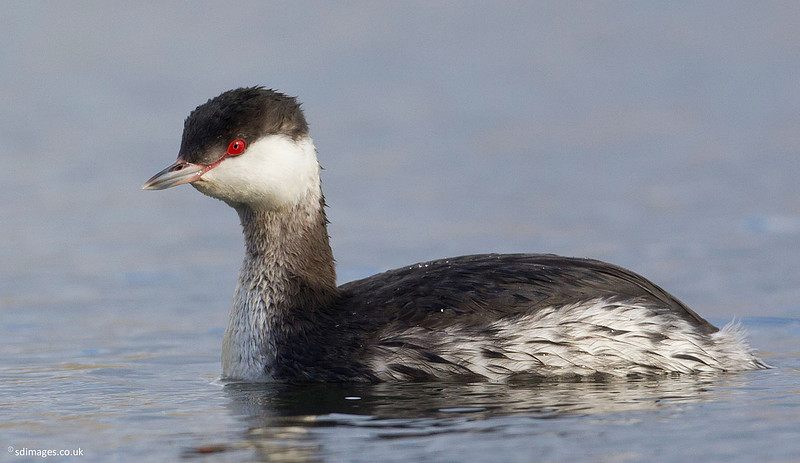
The pair of Great Crested Grebes would not tolerate any intrusion into open water as one of them repeatedly challenged the much smaller Grebe.
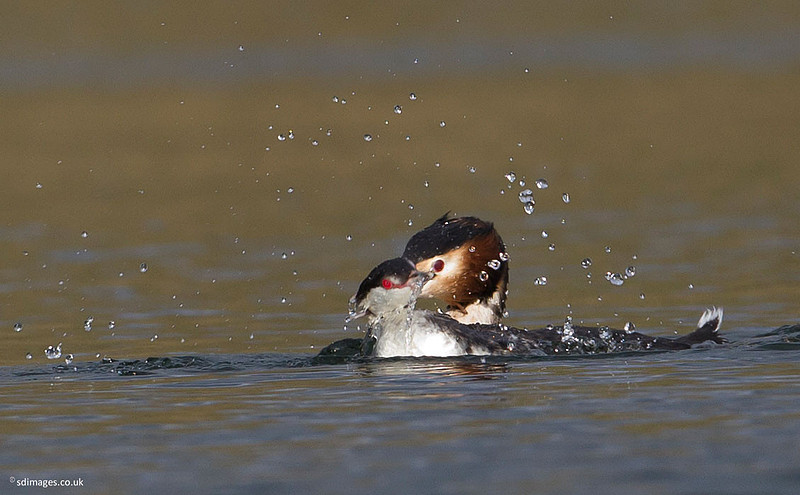
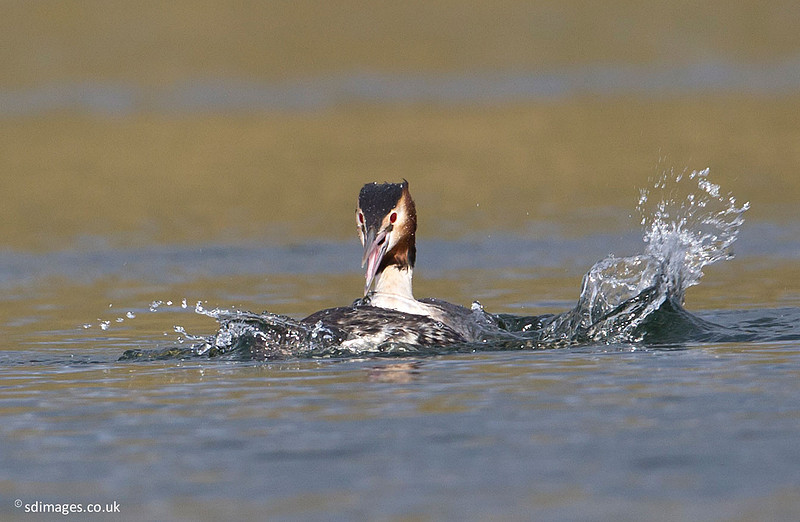
The Slavonian Grebe sort refuge in the margins of the lake.
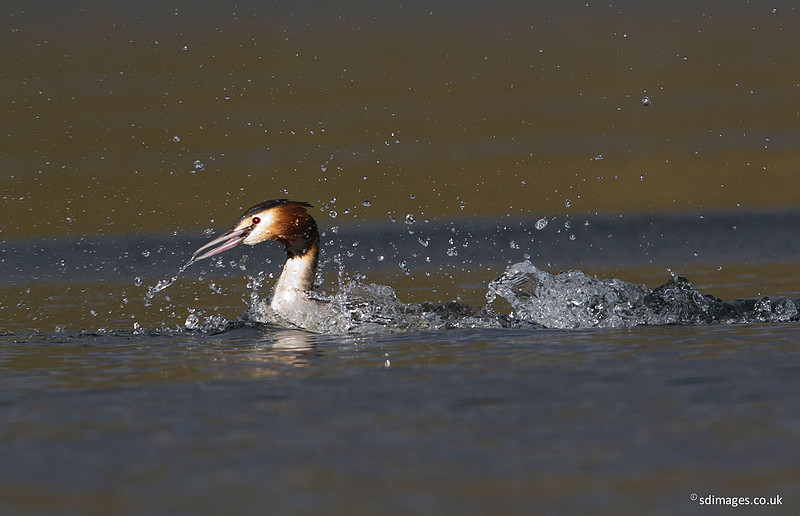
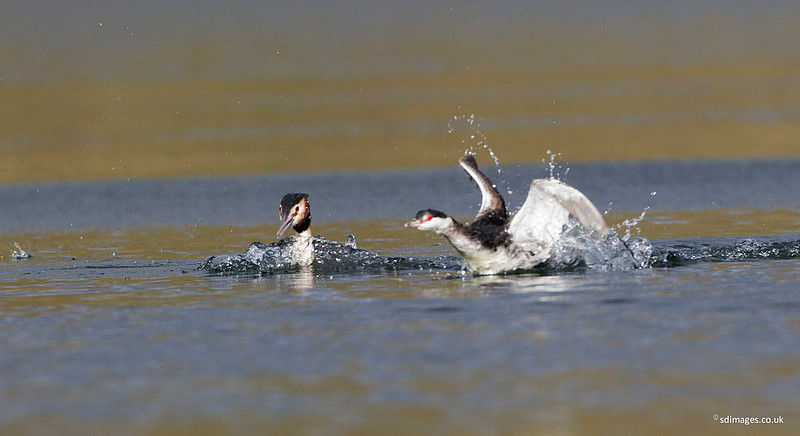
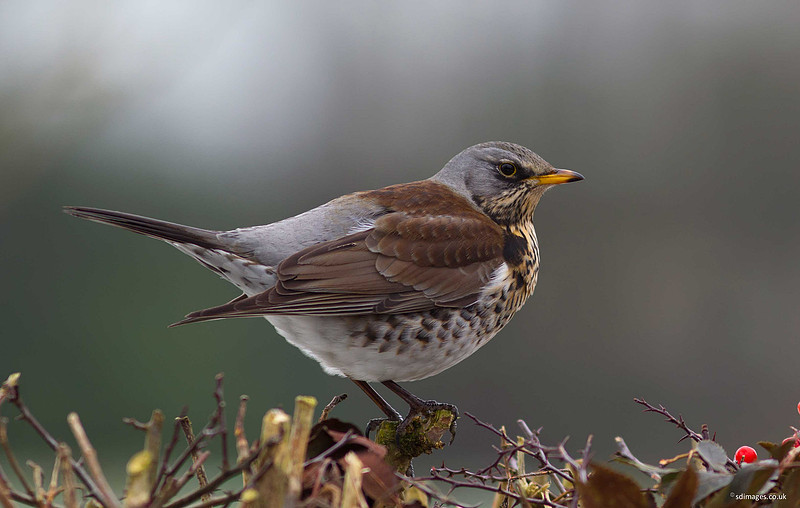
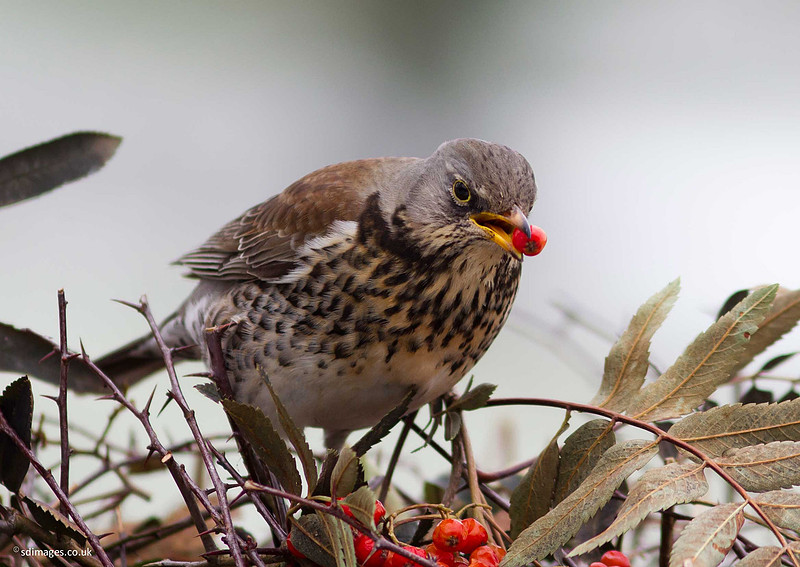
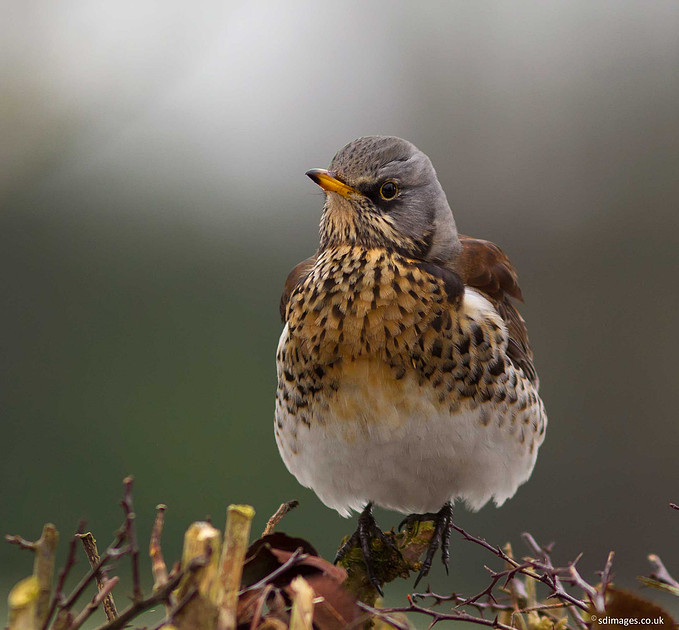
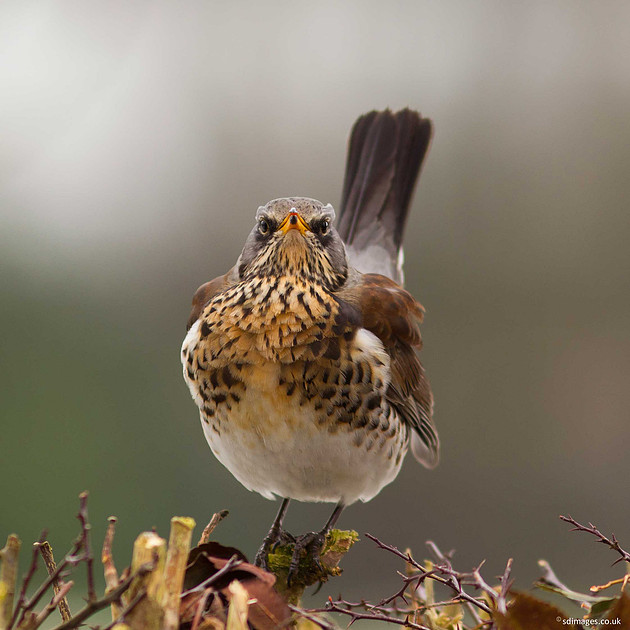
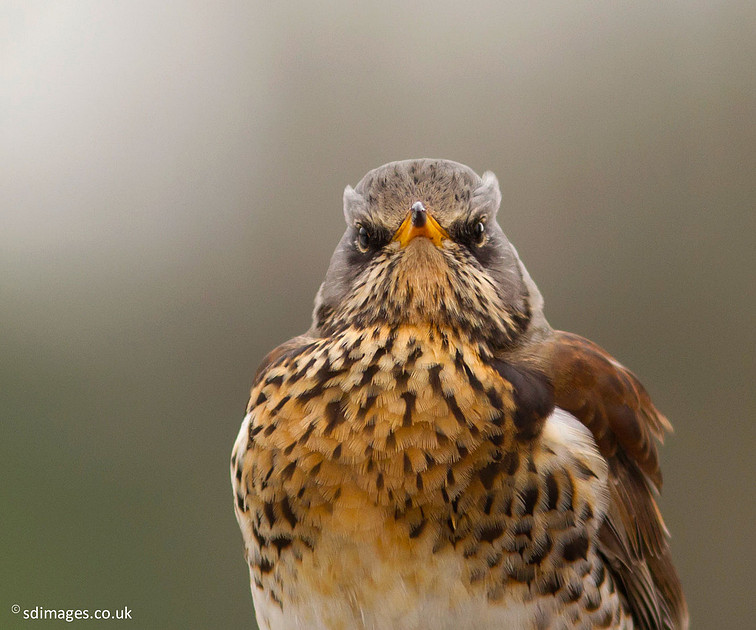
Fieldfare Fun
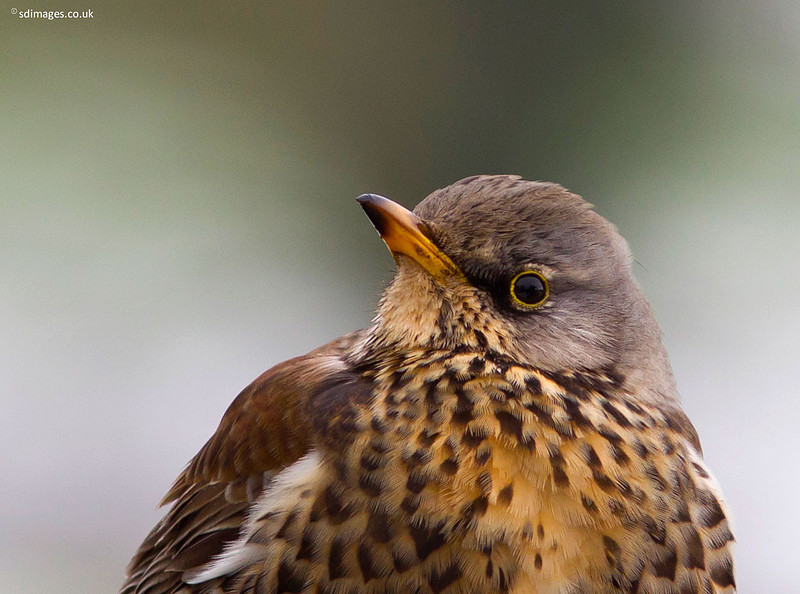
I didn’t expect to get any more Fieldfare shots this year; it just shows never take things for granted. Only two birds showed up but that’s enough. I would sooner have two birds close up than lots of birds at distance.
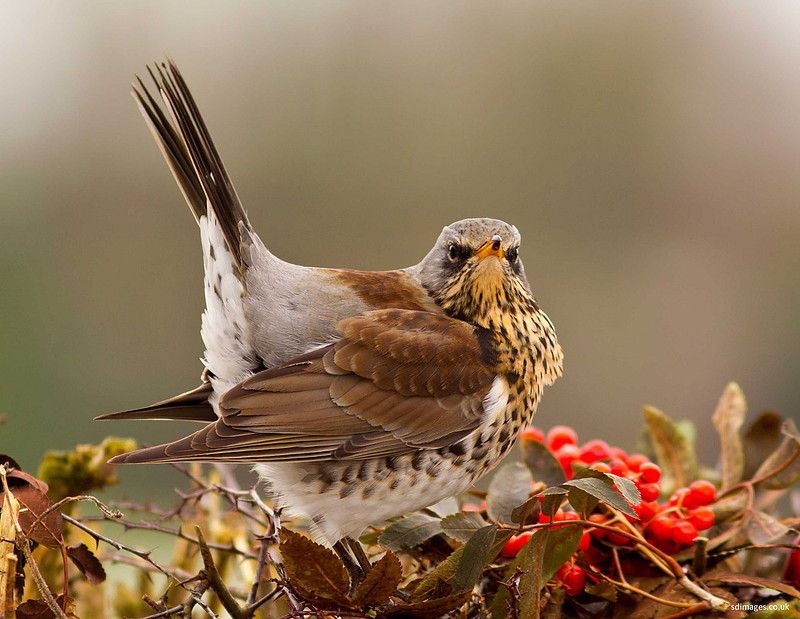
His Fieldfare is not willing to share the berries with any other birds
Snowed in
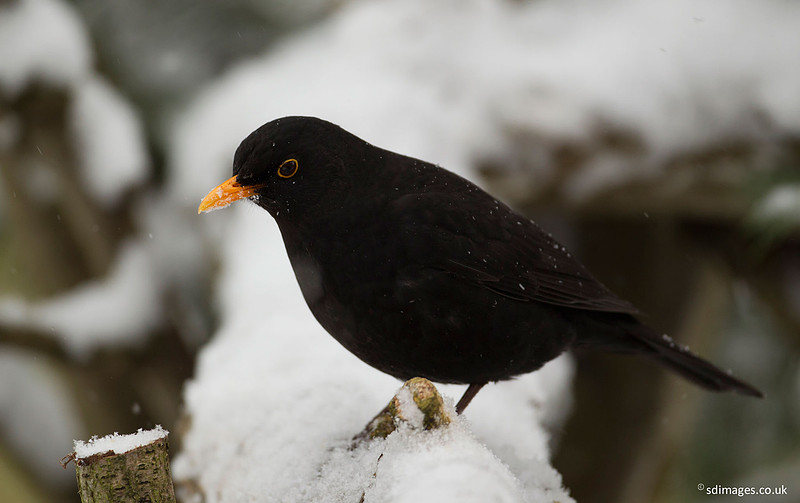
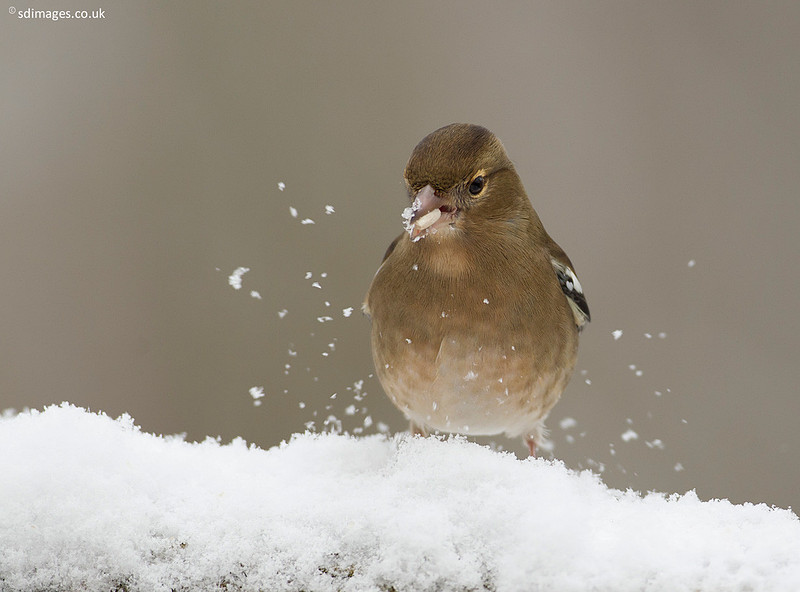
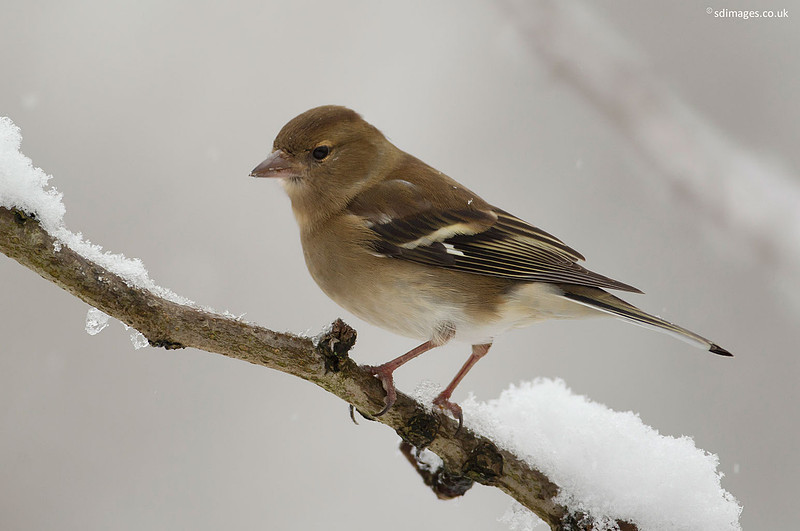
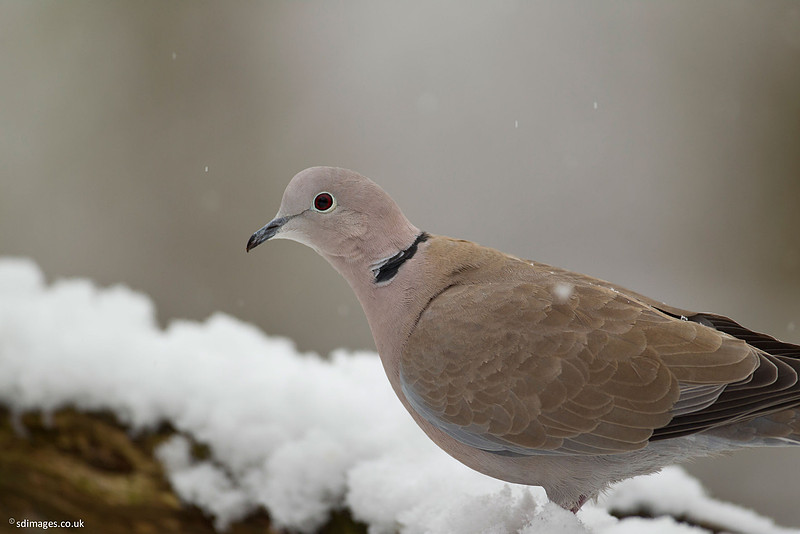
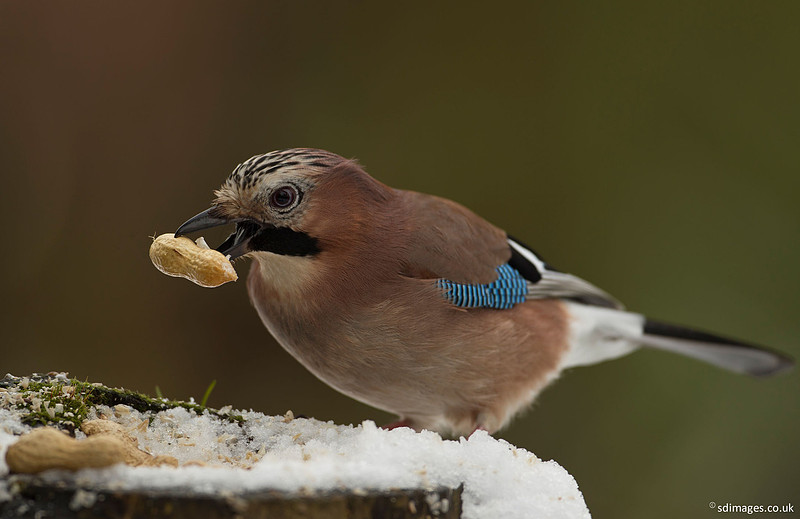
As I could not get out of the drive today due to the snow I decided to turn my lens on the garden birds.
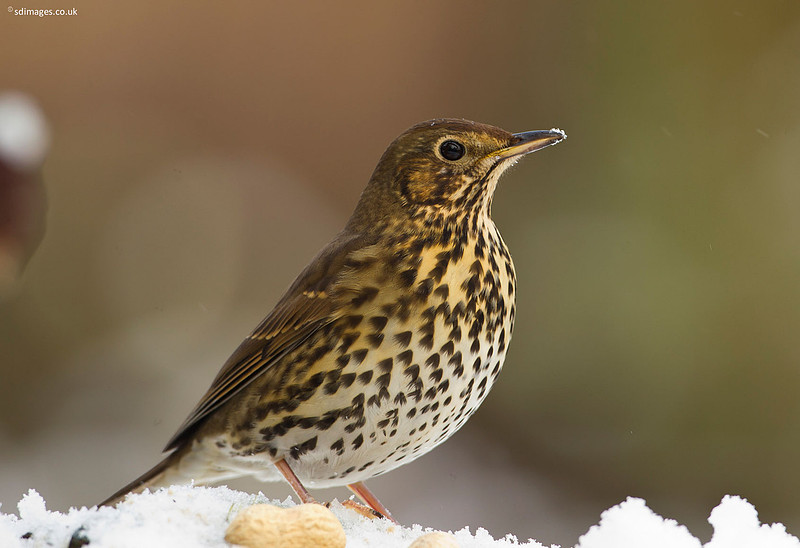
Although the lights not great it’s still worth a go
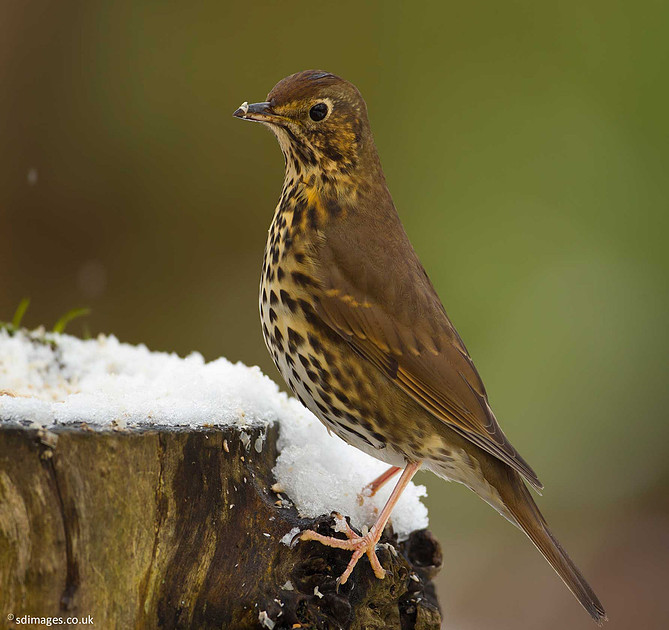
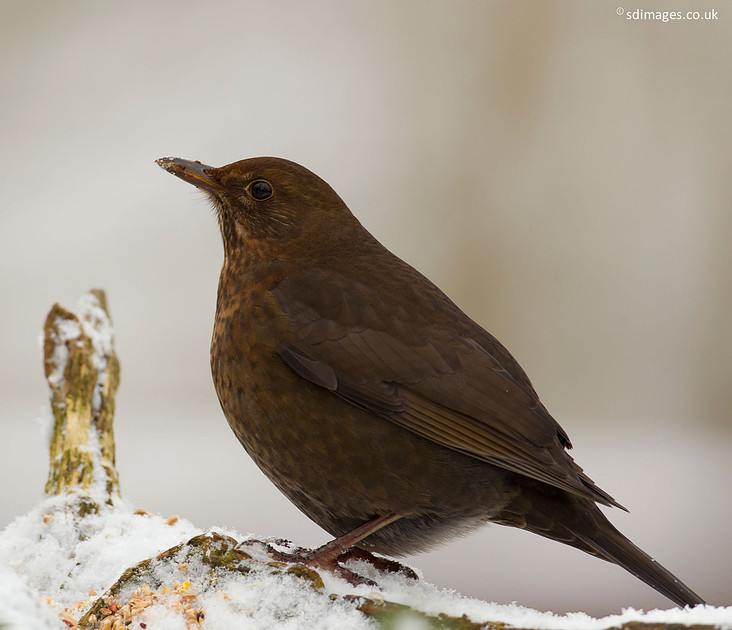
The Song thrush had to stand its ground against Blackbirds to get any food at the feeding station.
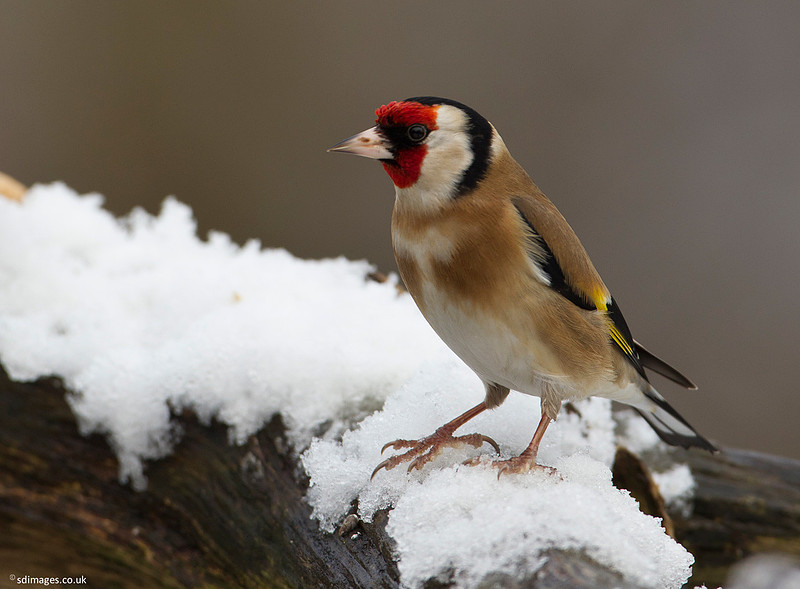
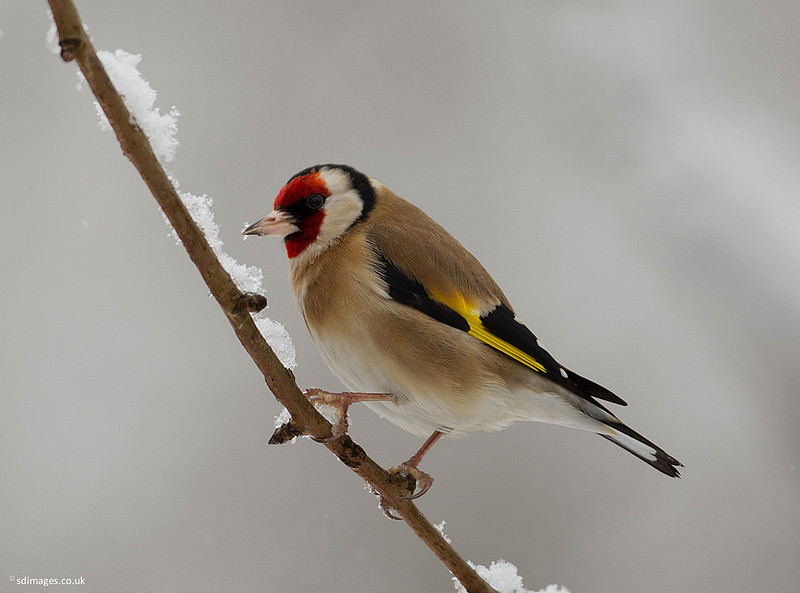
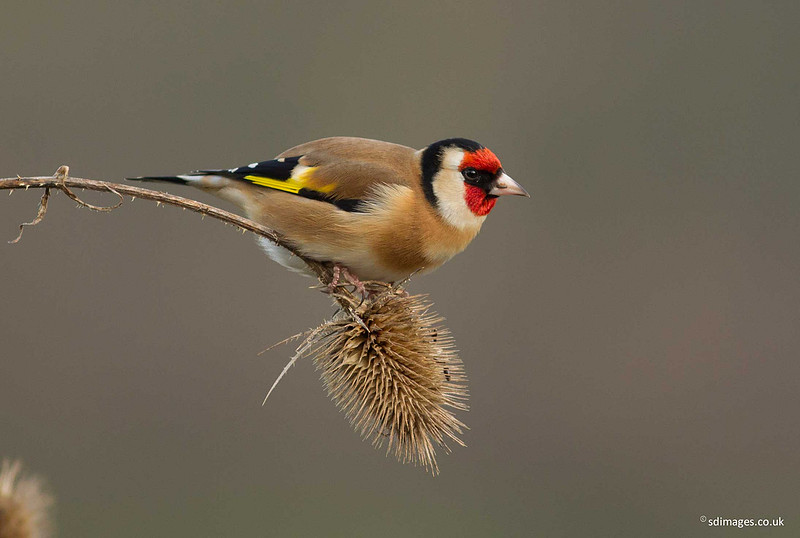
Goldfinch
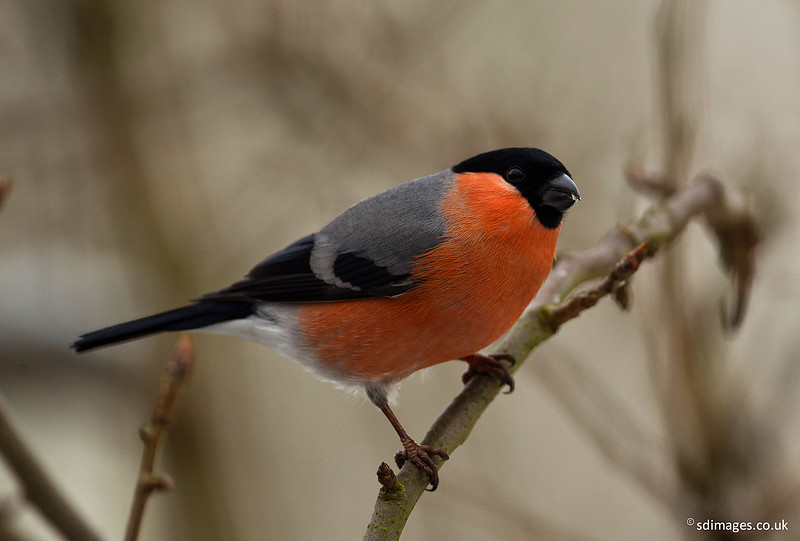
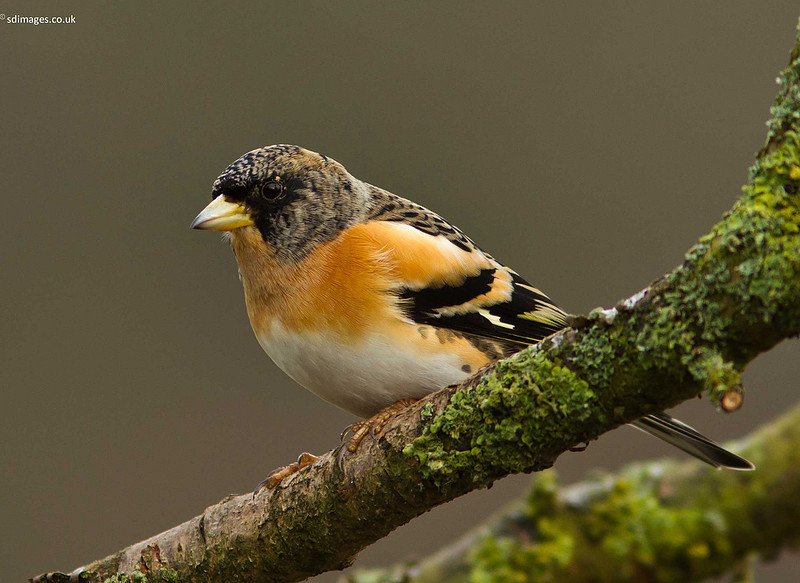
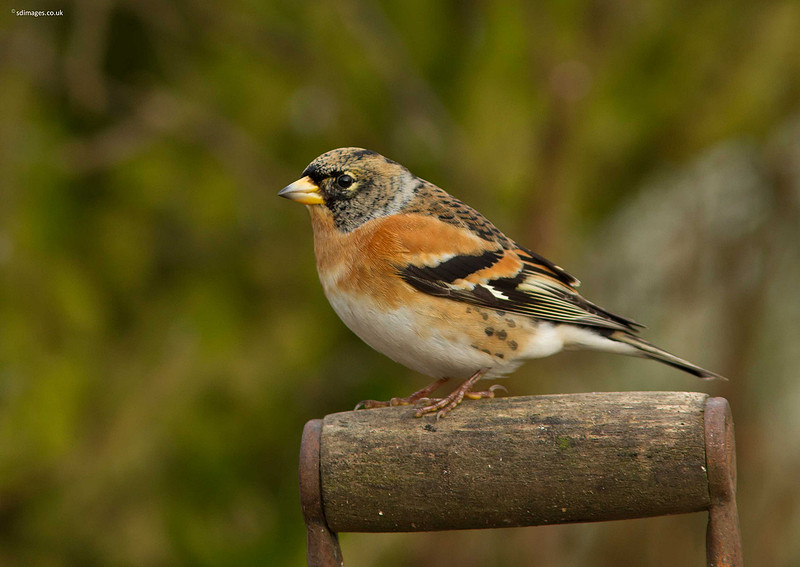
Some more Brambling
Lots of Brambling around this year
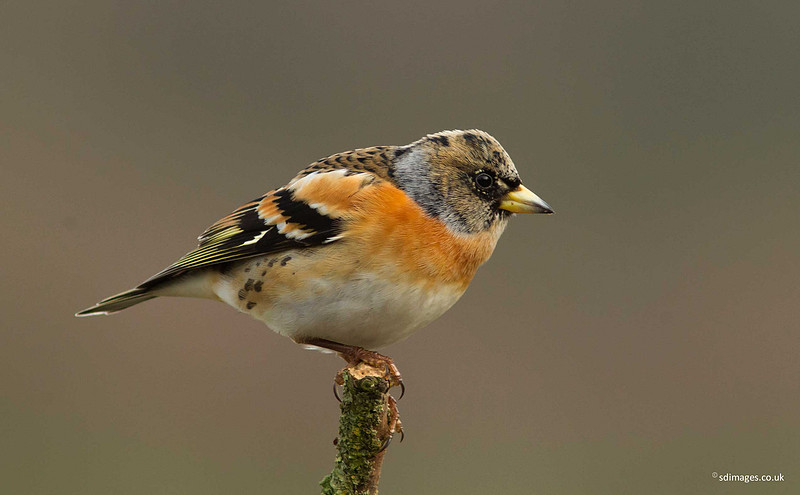
Not the best light for bramblings
Goldfinch on Teasel
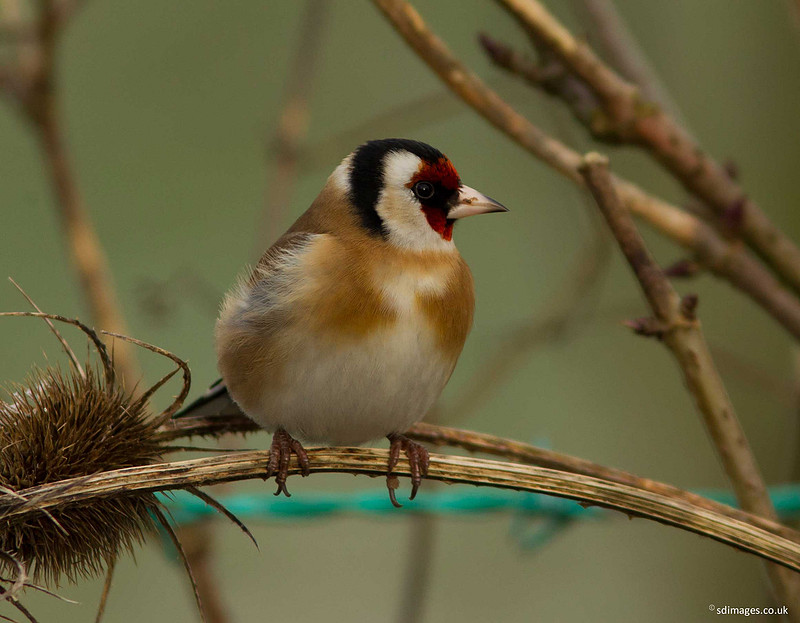
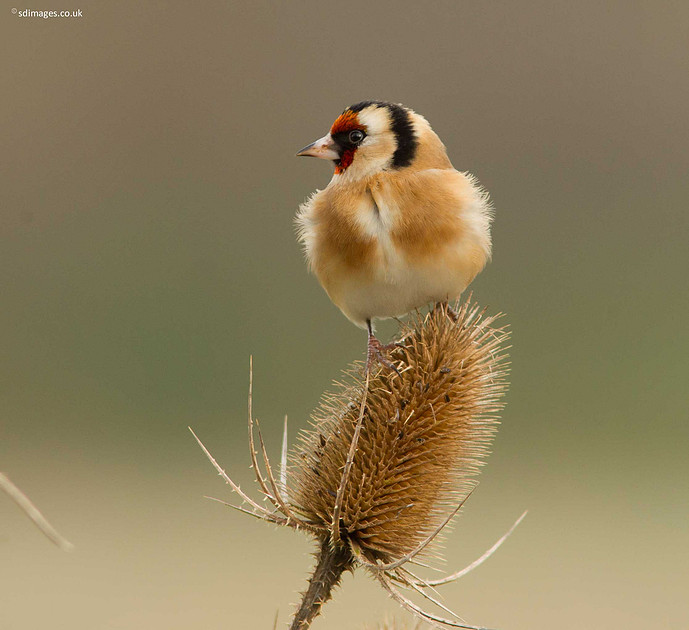
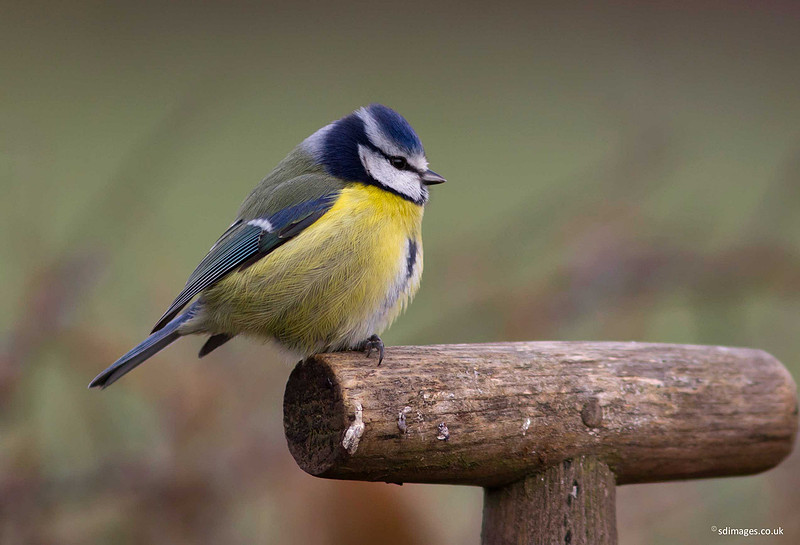
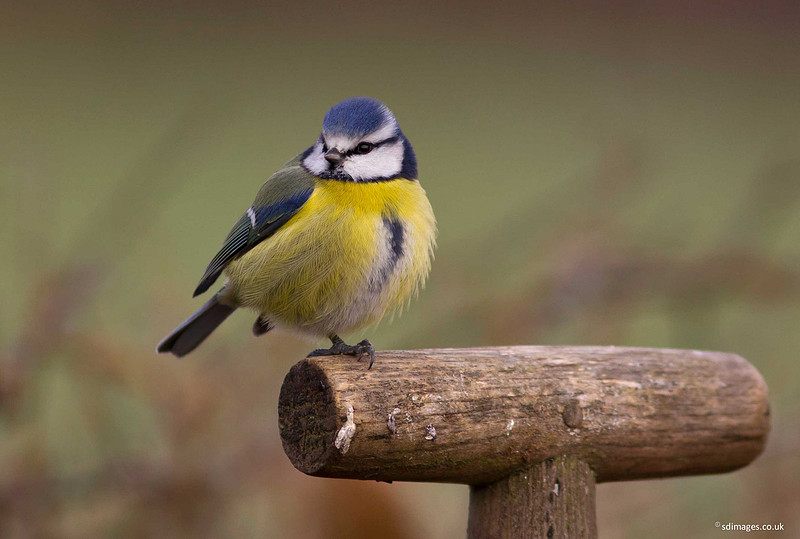
Blue Tit having a rest
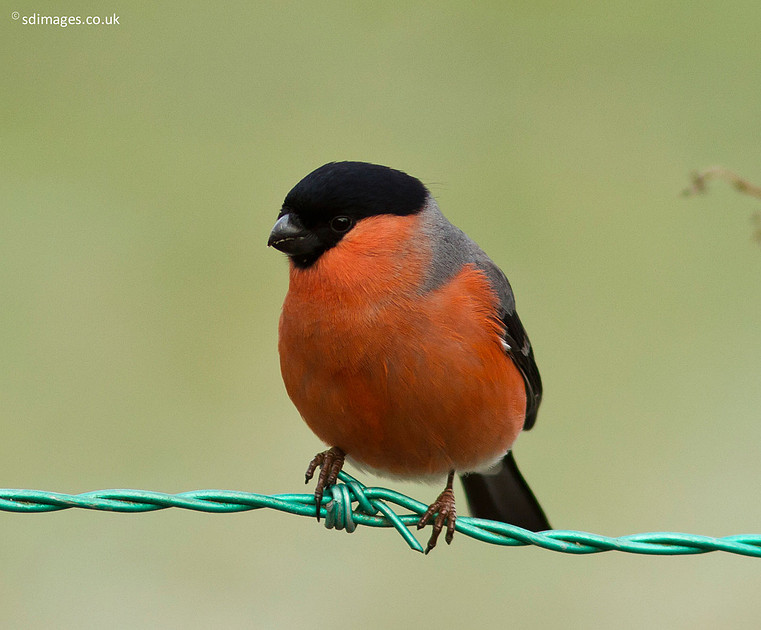
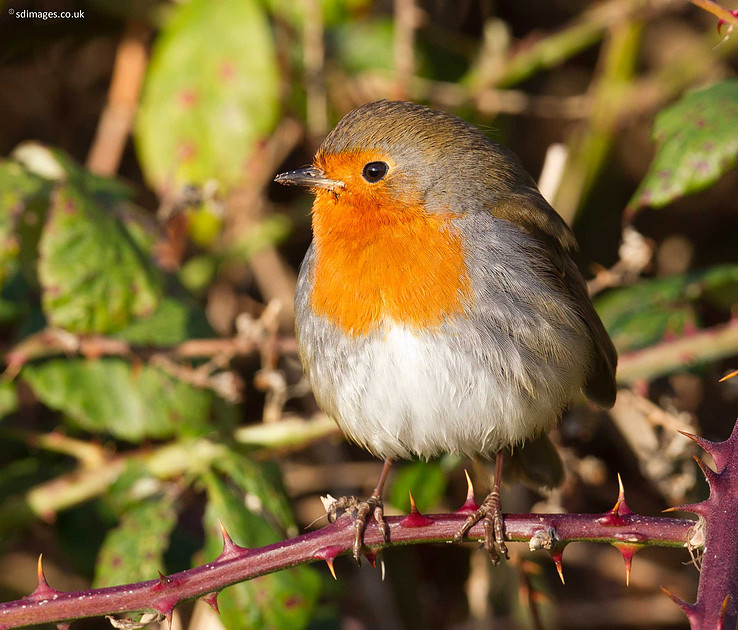
Time to Put up the Bunting
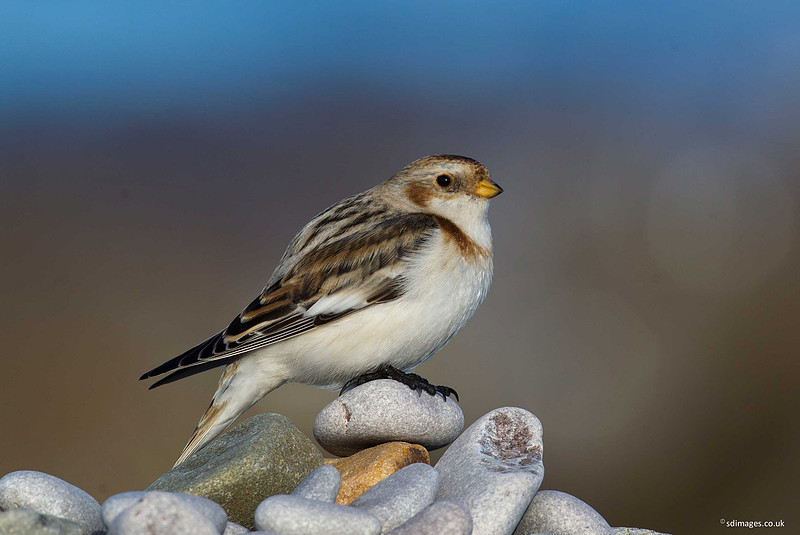
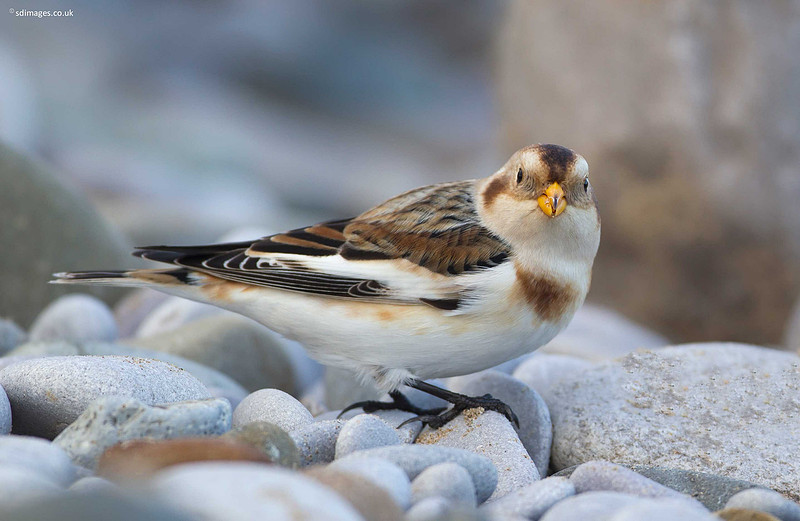
Only Managed to see one Snow Bunting today, but what a view.
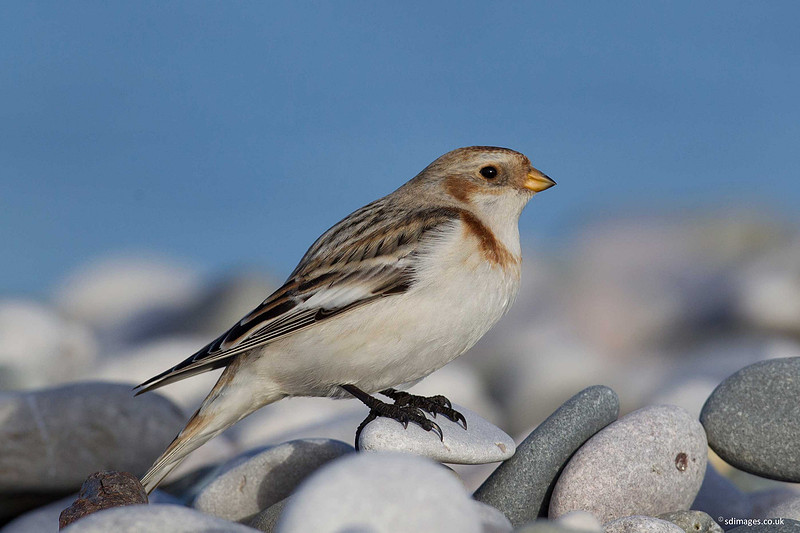
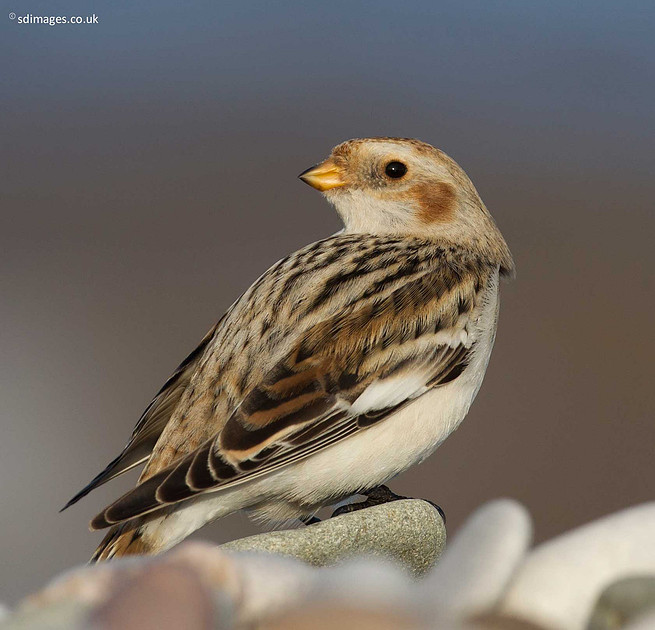
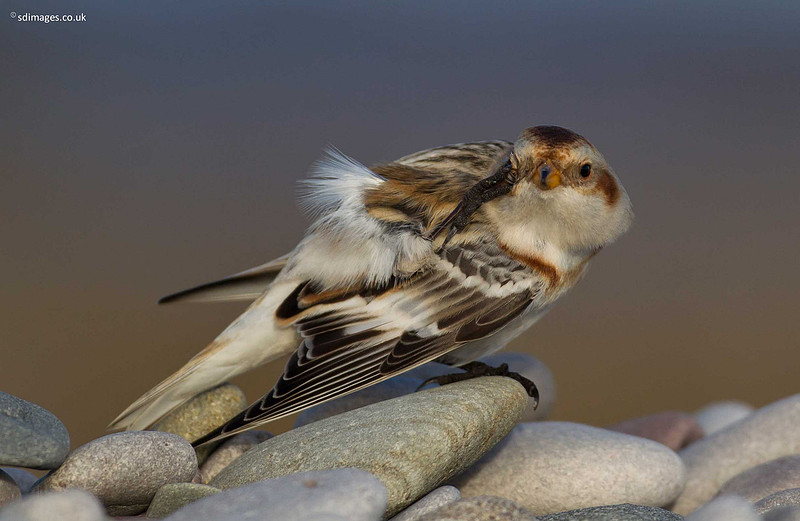
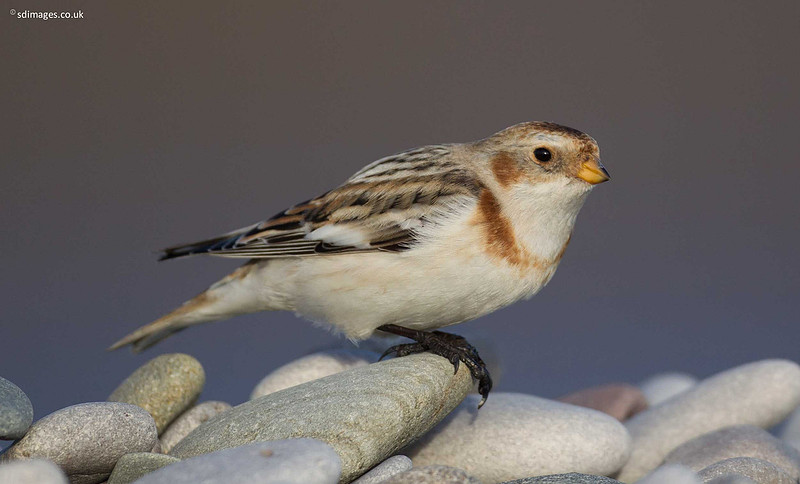
Snow Bunting
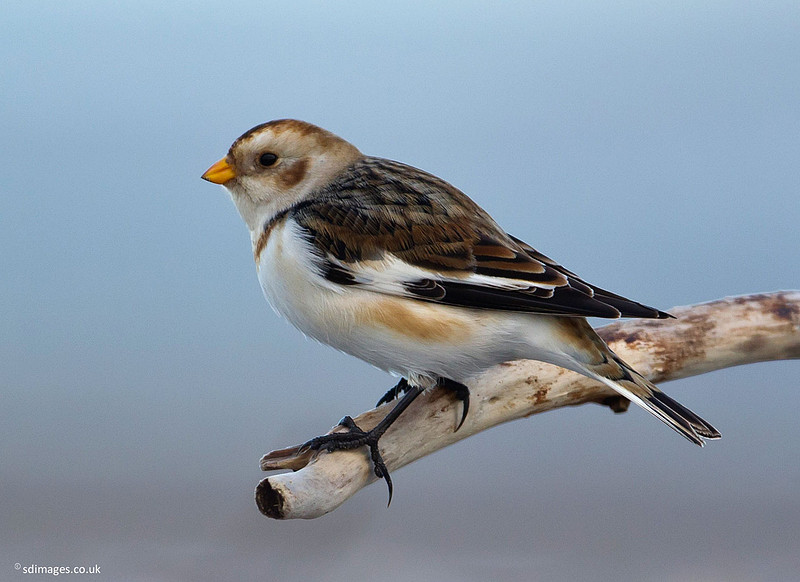
Just as I arrived to photograph the Snow Buntings the sun decided to hide behind clouds for the rest of the afternoon.
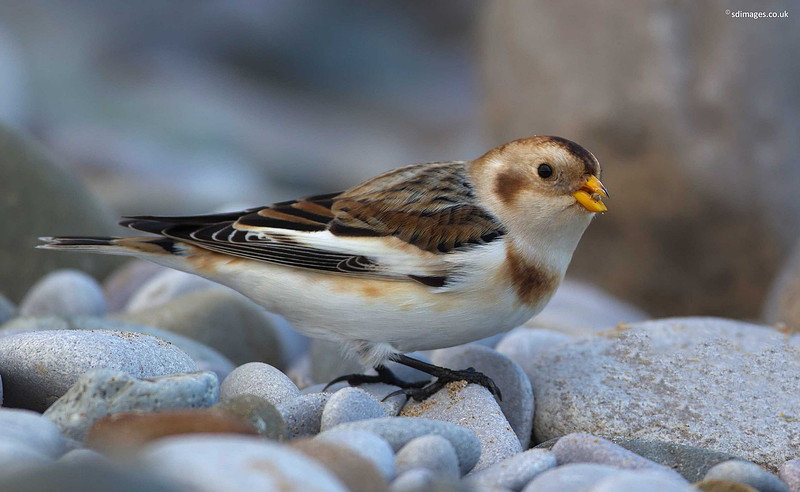
I managed a few shots and made my way home.
High Tide at Hoylake
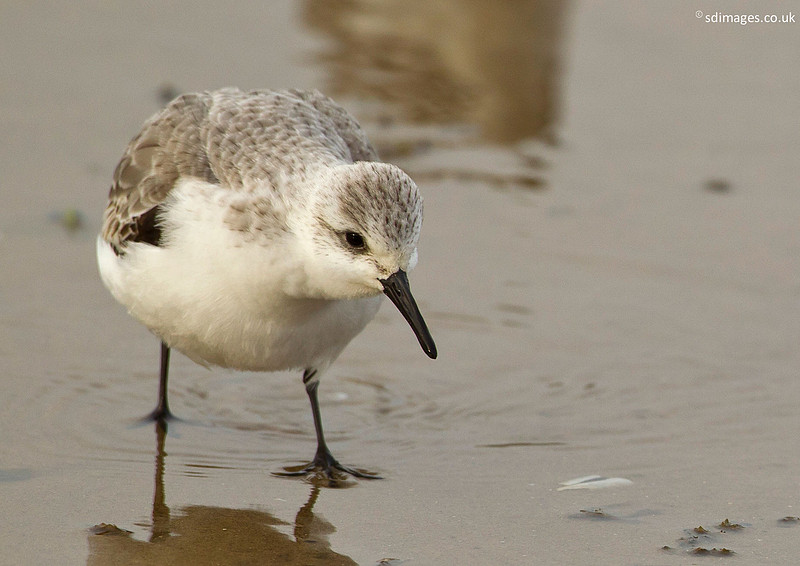
24,000 Knot, 4,000 Dunlin, 700 Sanderling all at high tide roost at Hoylake shore it’s a great sight and well worth a visit.
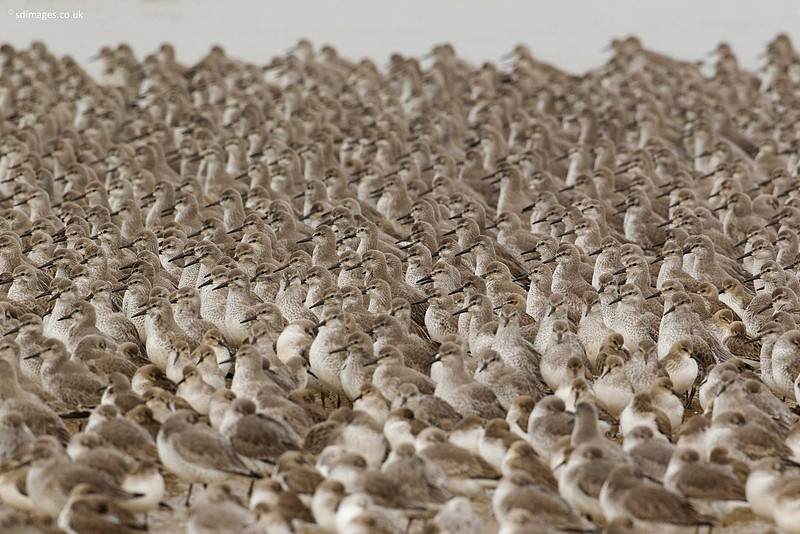
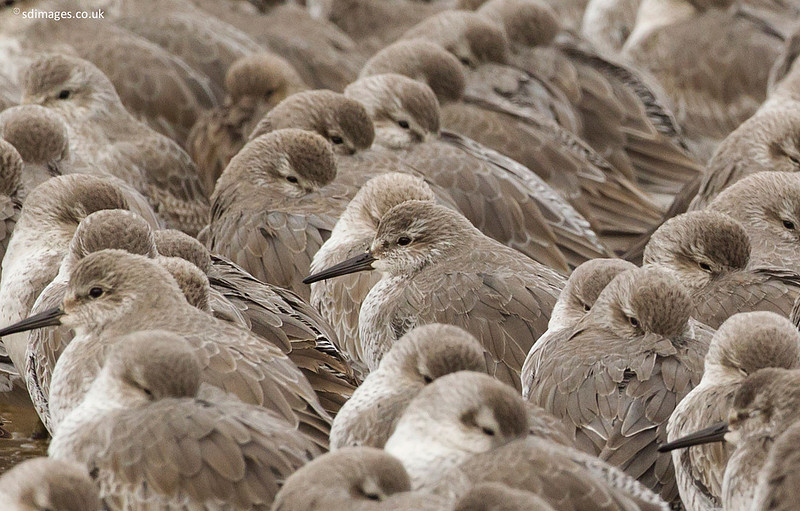
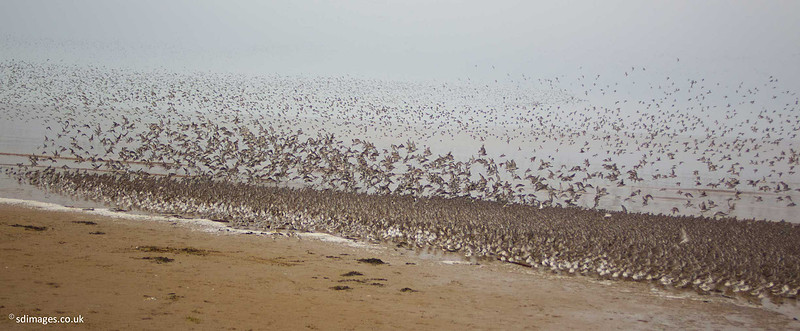
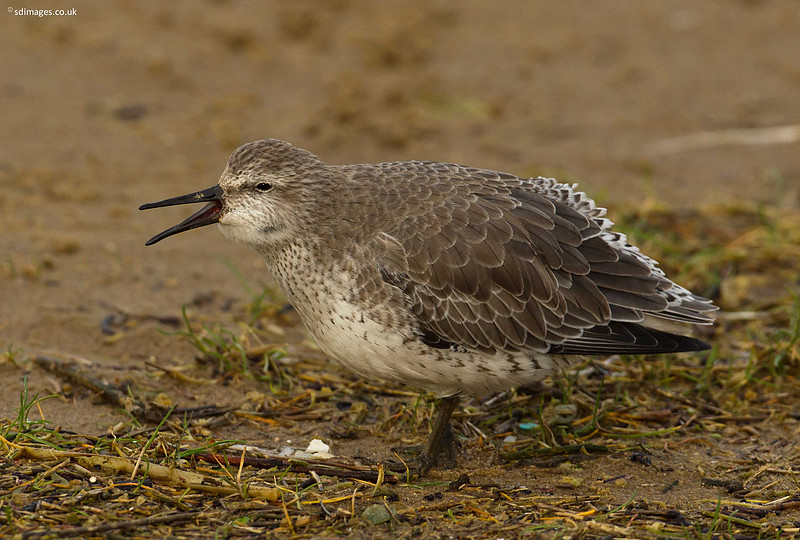
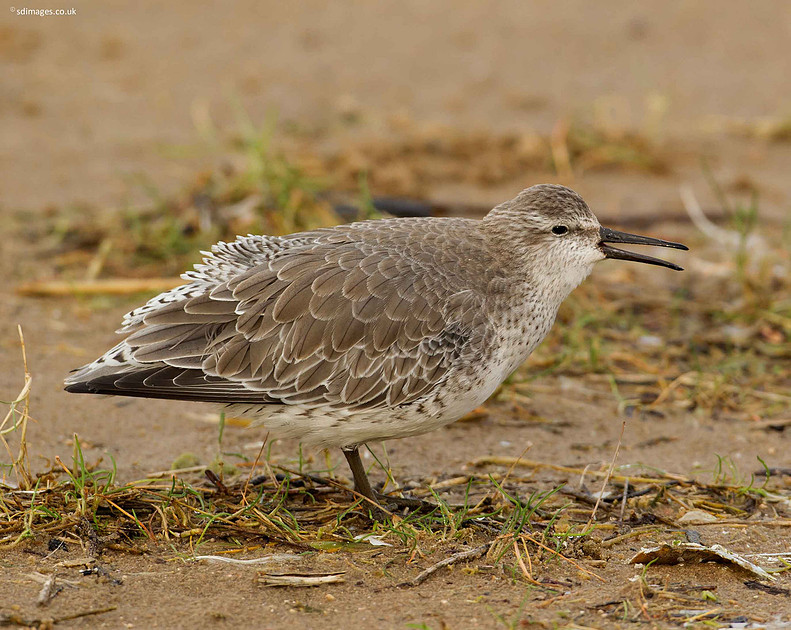
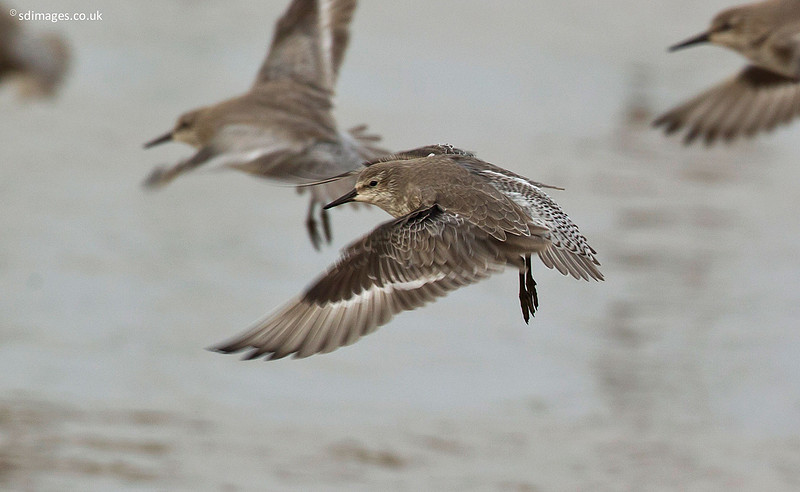
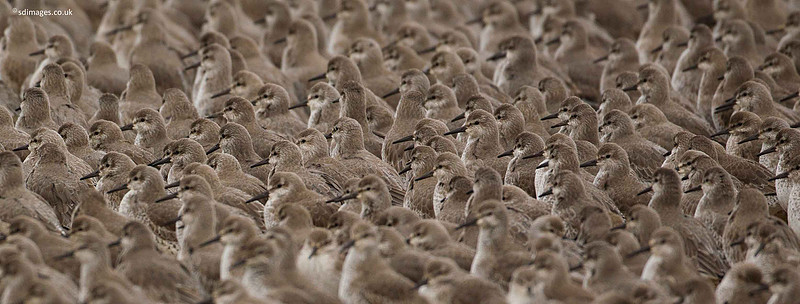
Knot
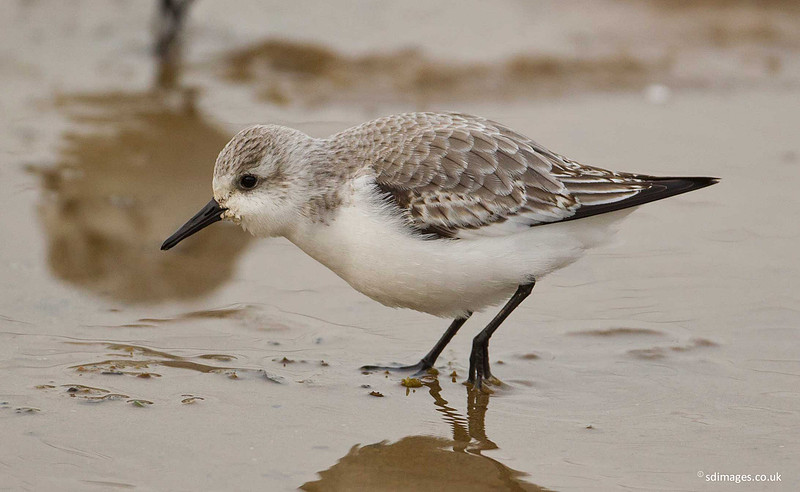
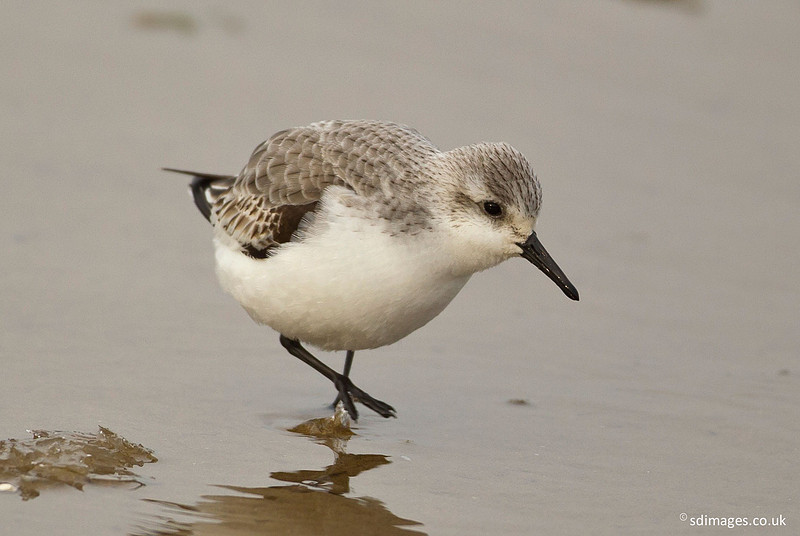
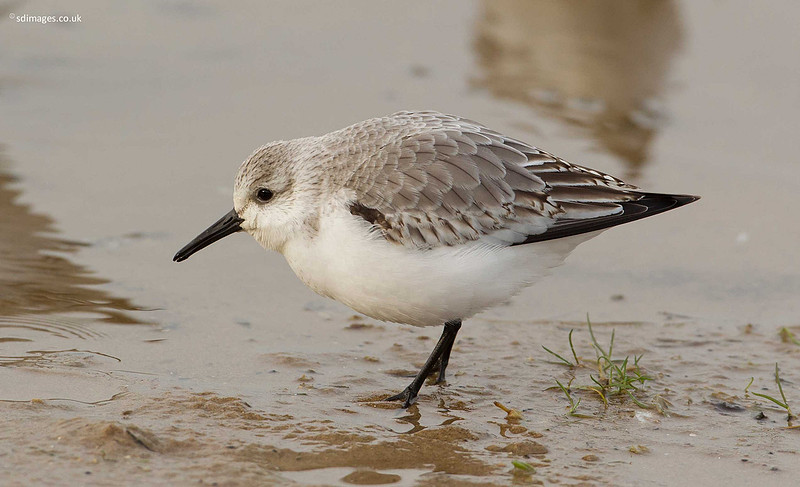
Sanderling
Snipe
Snipe are one of the birds that seem to elude me; I have seen them at close quarters before but never with my camera in hand.
It was late afternoon as I arrived at the Eastern Reedbed; I was hoping the Bittern would show up. It hadn’t been seen.
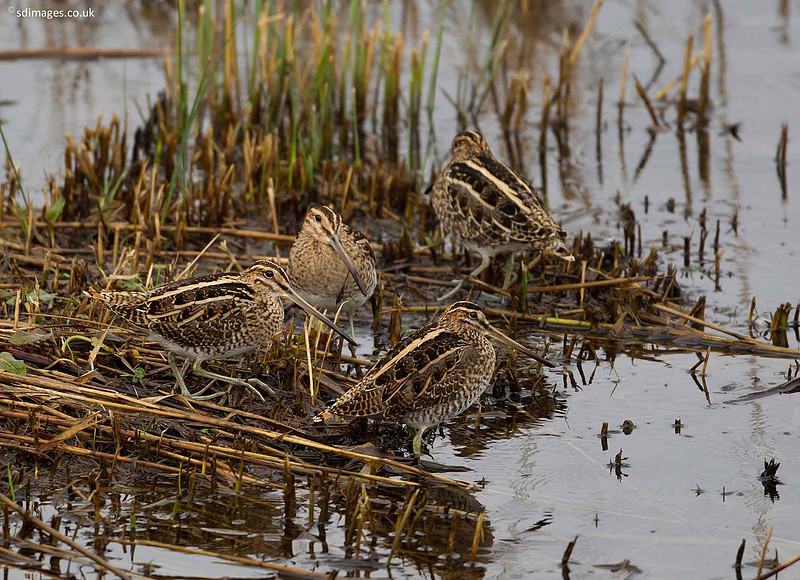
As I sat in the Hide ten Snipe arrived landing at the water’s edge and blended into the surroundings.
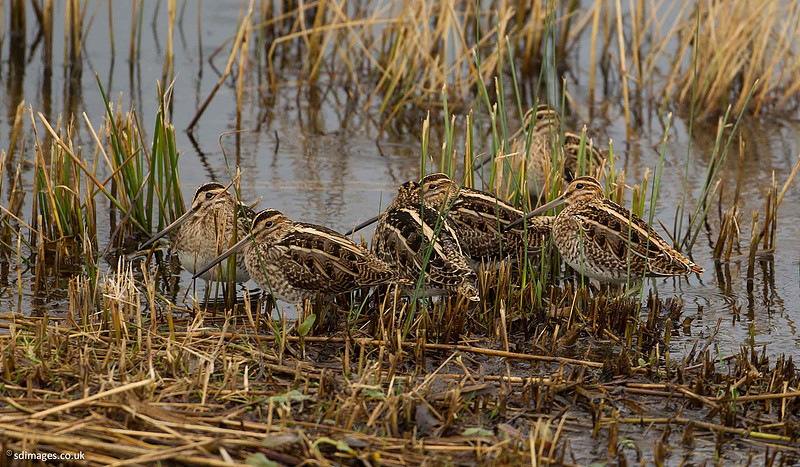
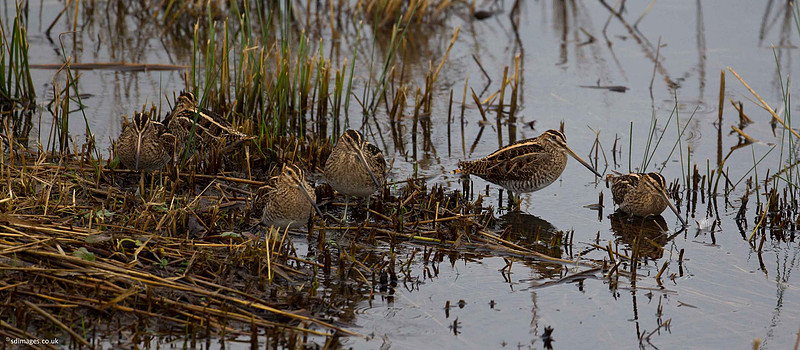
Still not the shots I want as they are just too far away.
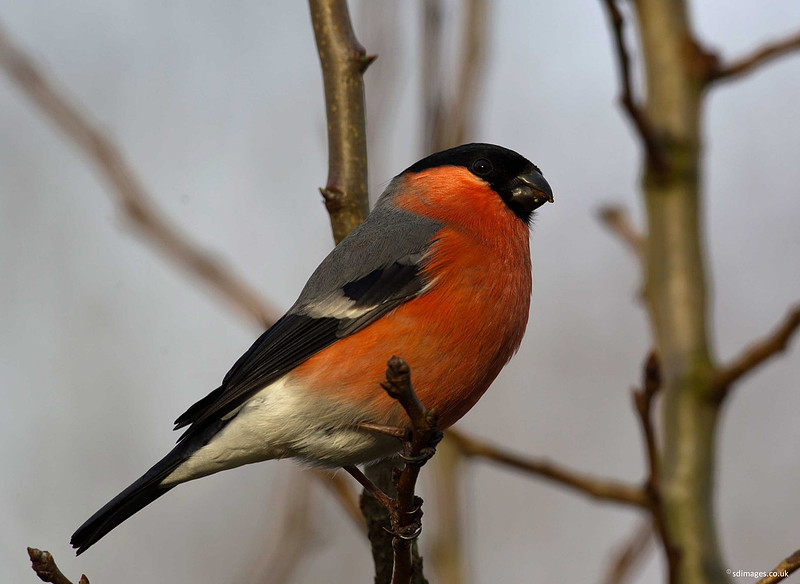
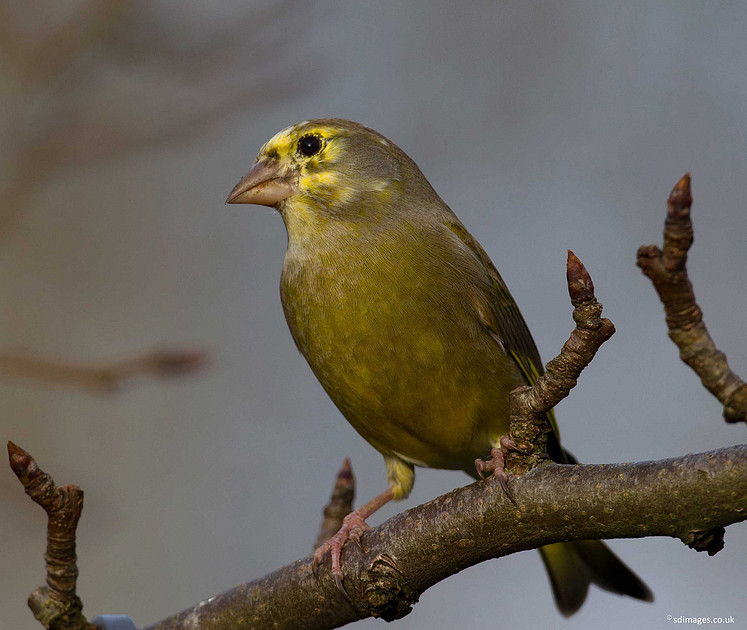
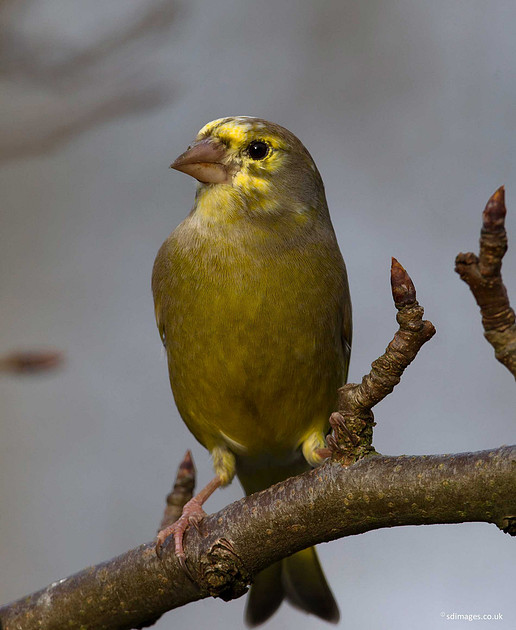
Moore Waxwings
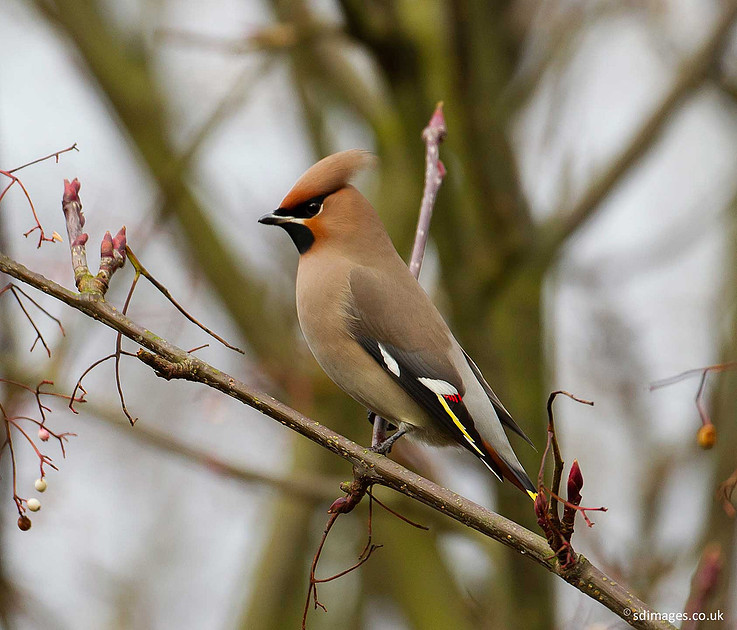
On my first trip down to my local reserve this year, I was informed that a small group of Waxwings were feeding in a Mountain Ash tree at the far end of Birchwood Pool.
When I arrived at the site I was able to photograph some of the birds as they flew in to feed on the berries.
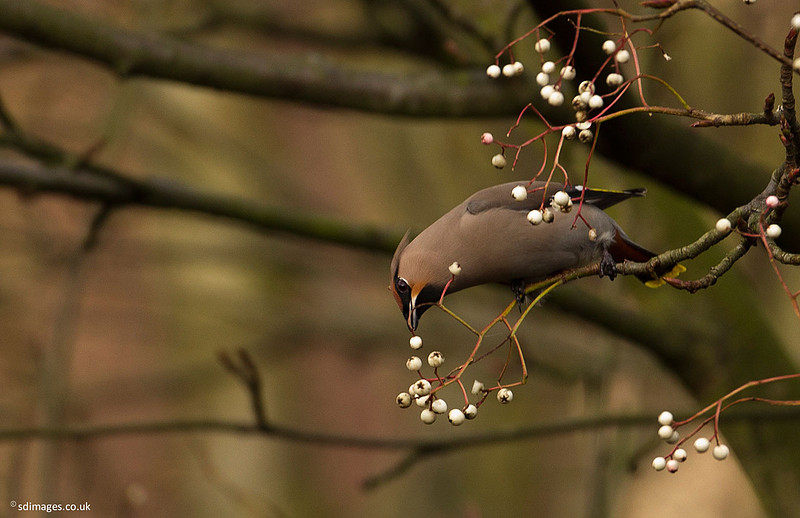
Although not in the best of light (and I would like them to be a bit nearer) I decided they were worth a few shots
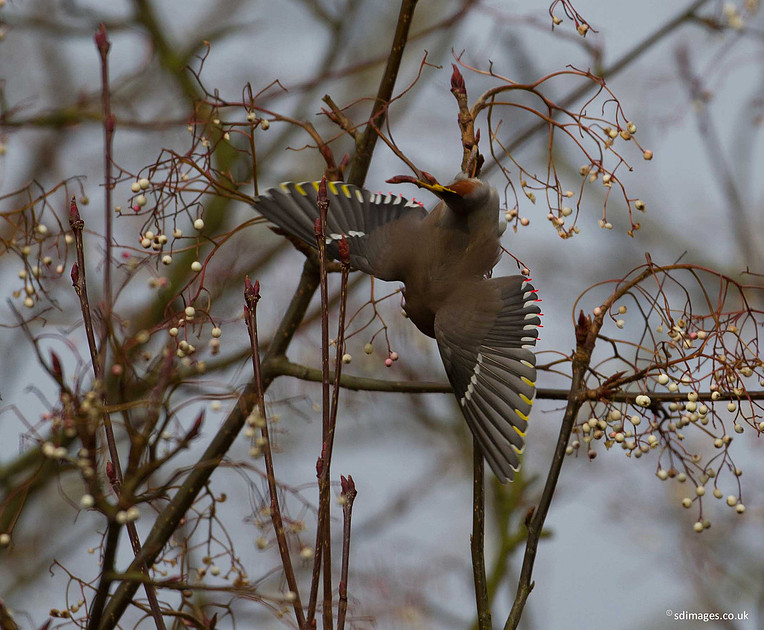
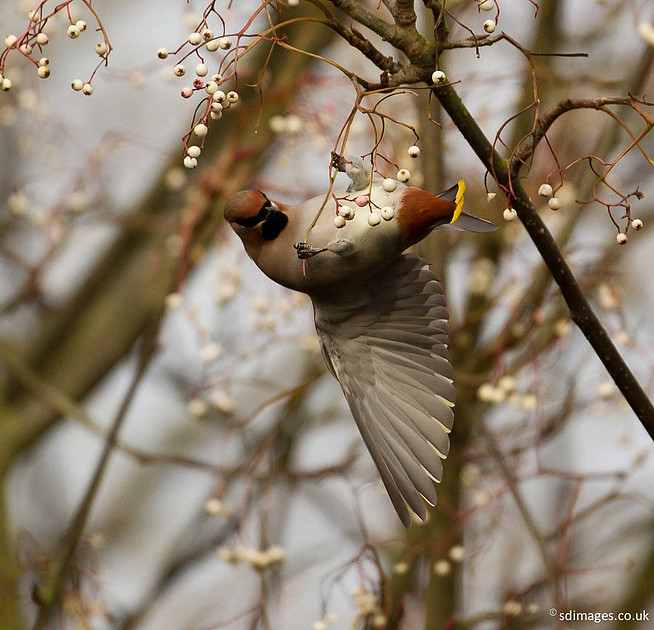
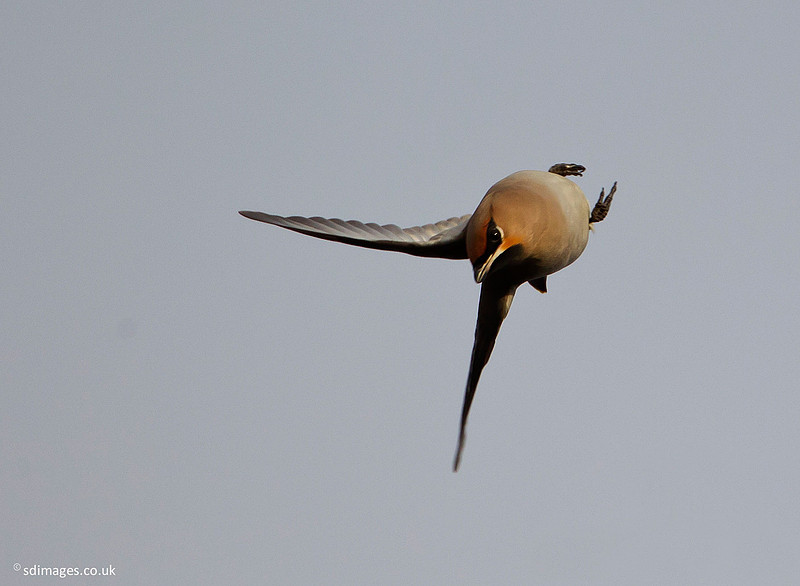
That could be the last of the waxwings this year.