Home»Blog
 Hello and welcome
I have always had a keen interest in wildlife and the great outdoors;
I was an Angler for over 30 years but gave it up a few years ago to
concentrate on photographing wildlife. I lived in Runcorn; Cheshire a
short distance from the M56 that gave me great access to the Wirral,
Northwales and Lancashire, with some great countryside on my doorstep
I didn't have to travel too far in search of wildlife and photographic
opportunities.
Some of my wildlife photographs range from as far afield as Cuba,
Antigua, Saint Martin, Saint Lucia, Dominican Republic, Tuscany ,
Corfu, Turkey, Spain, Portugal.
I now live in the Charente area of western France.
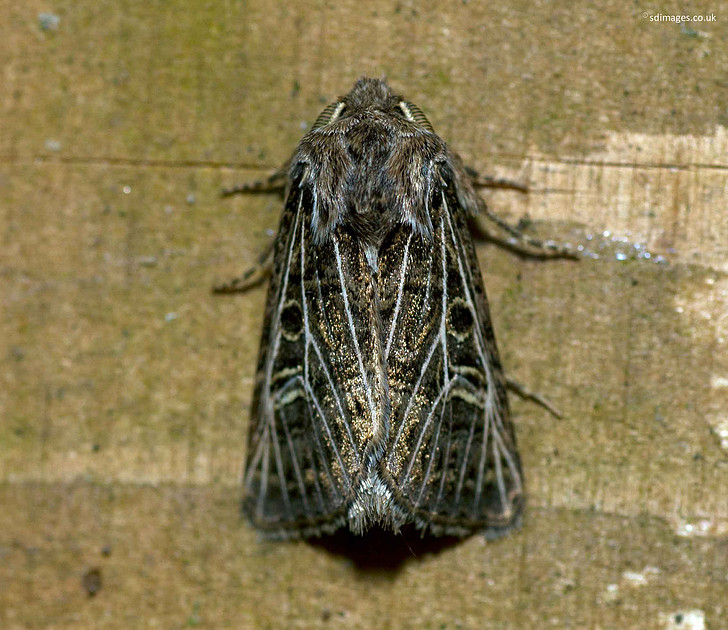
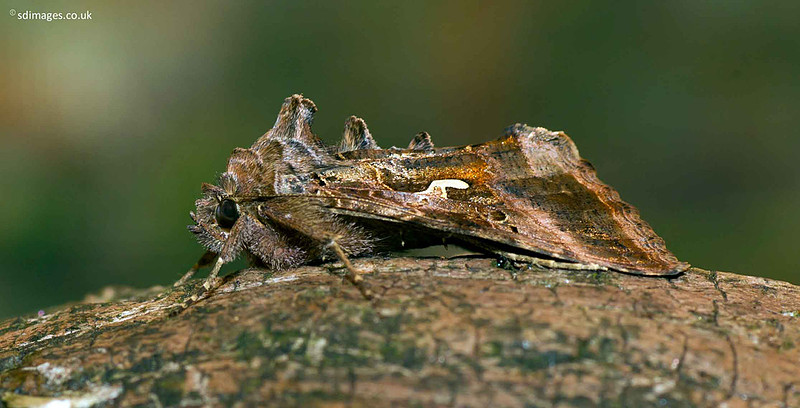
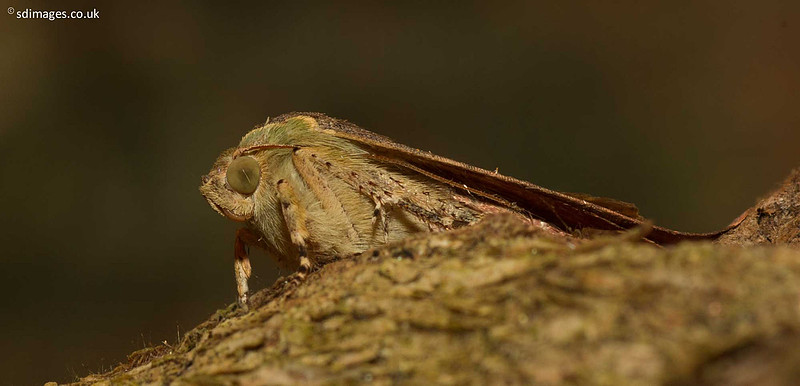
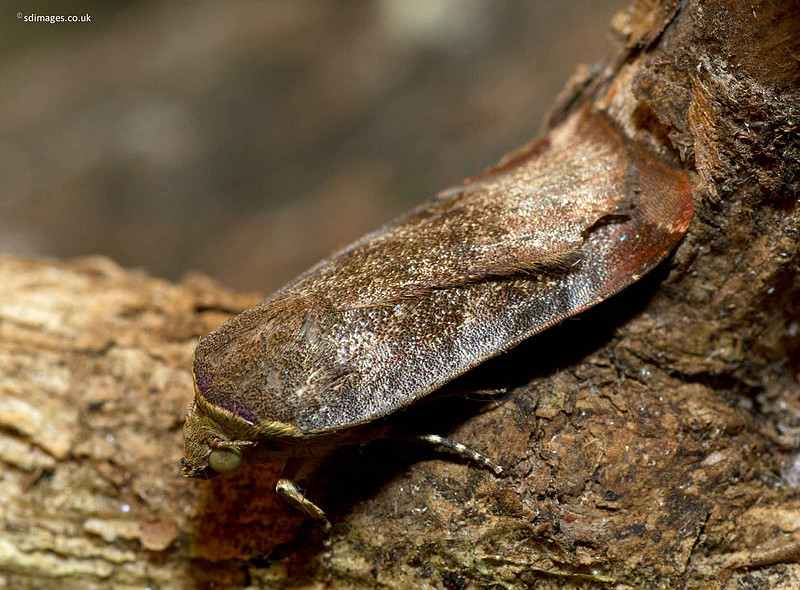
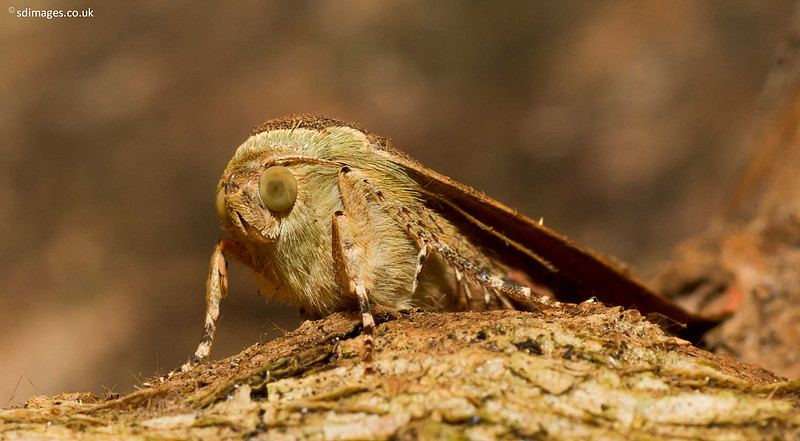
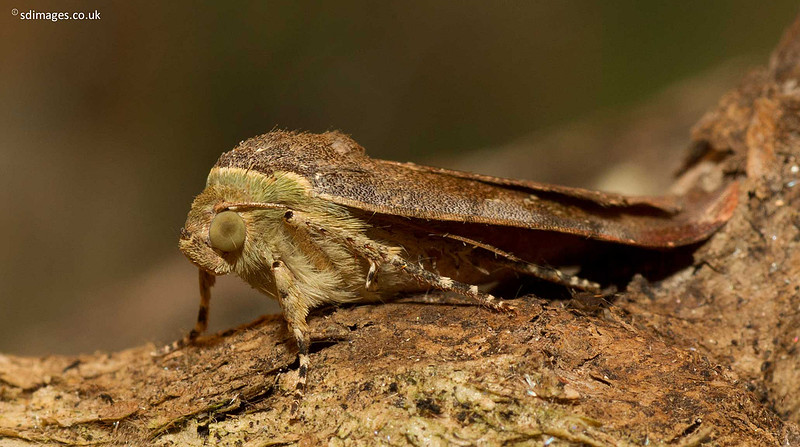
Silver Y
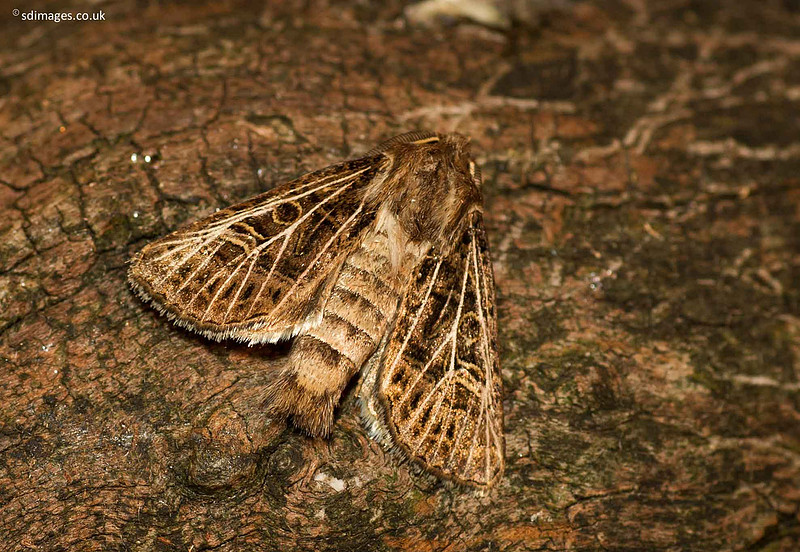
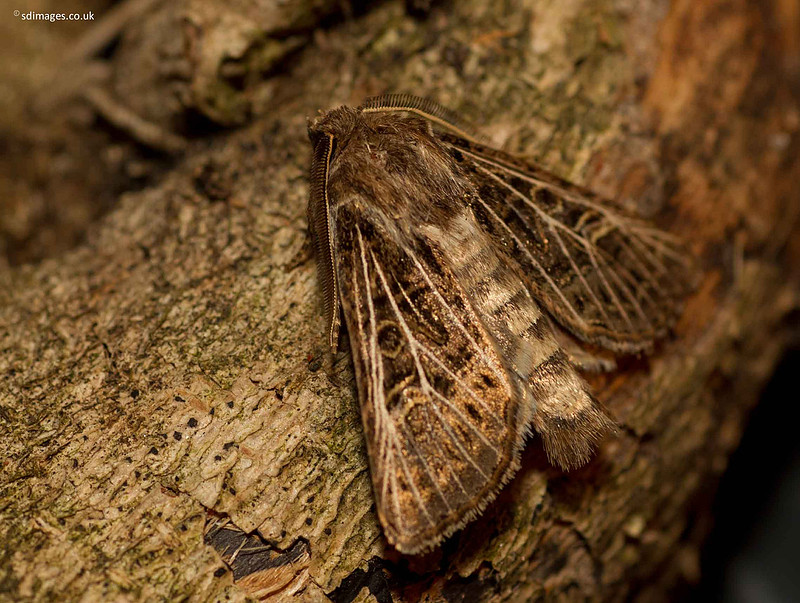
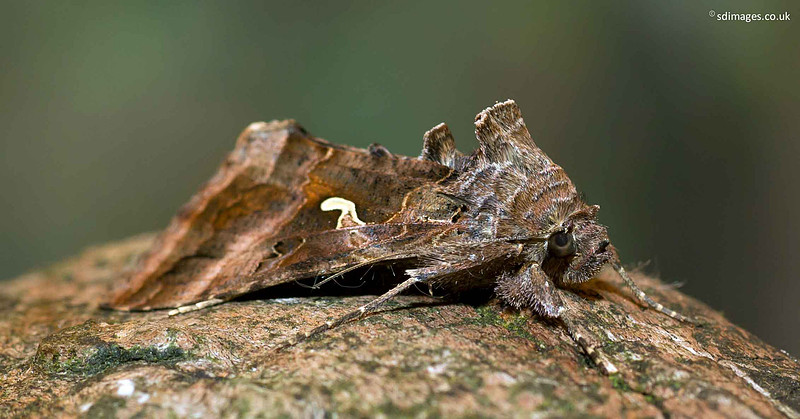
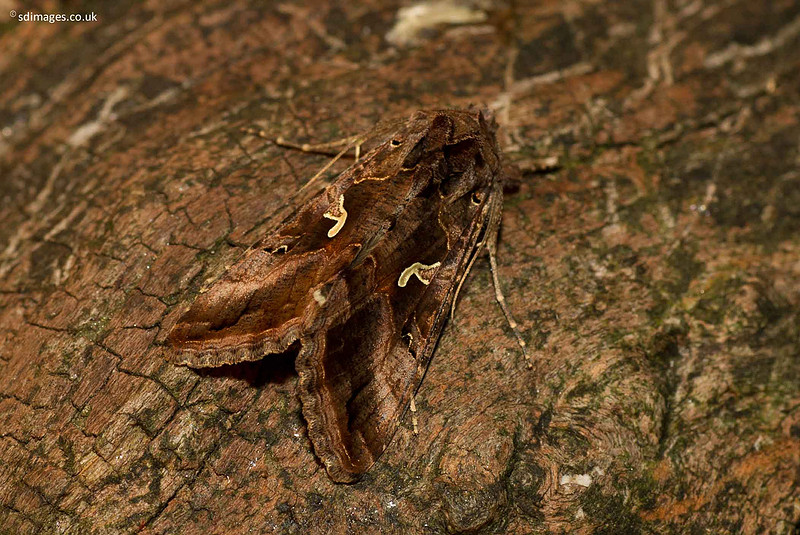
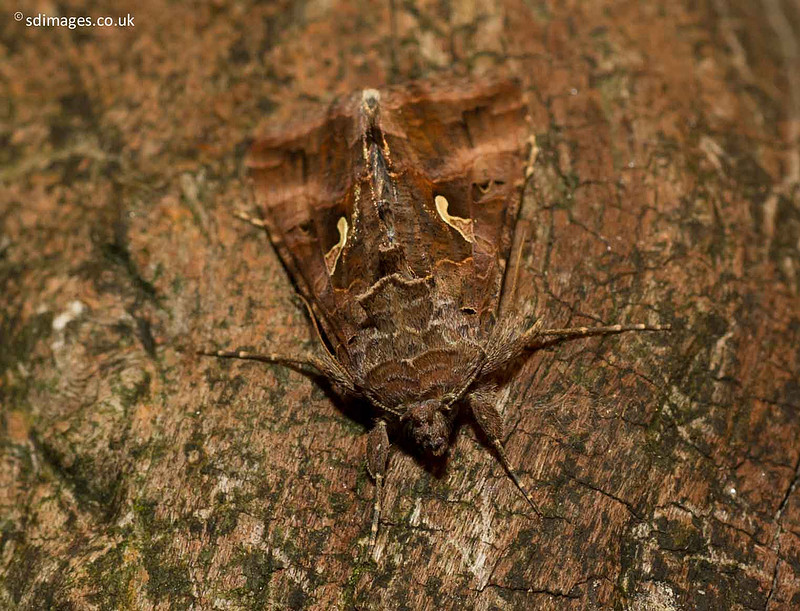
Silver Y Moth was caught in my Moth trap last night, a common migrant that will fly day or night.
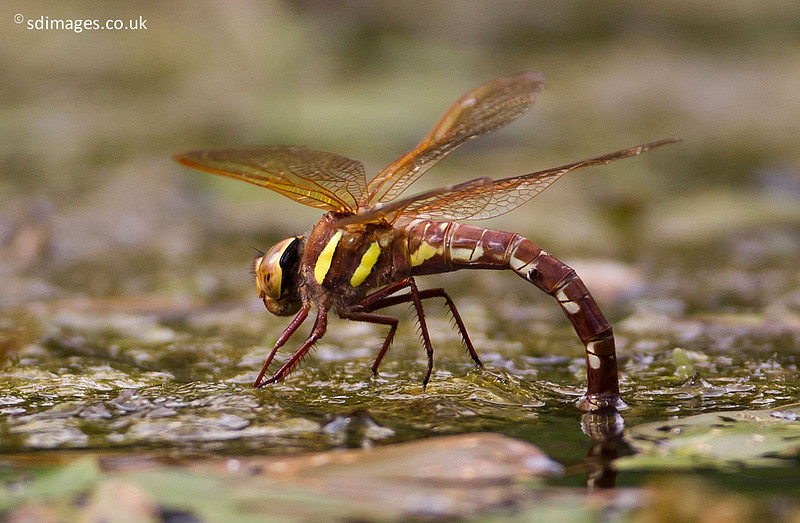
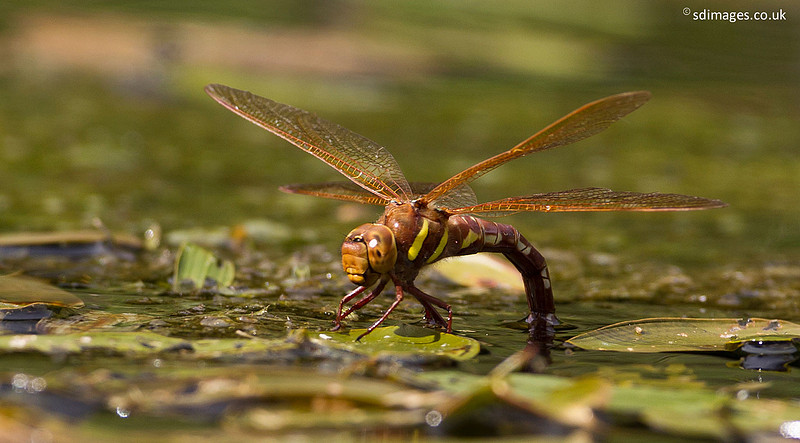
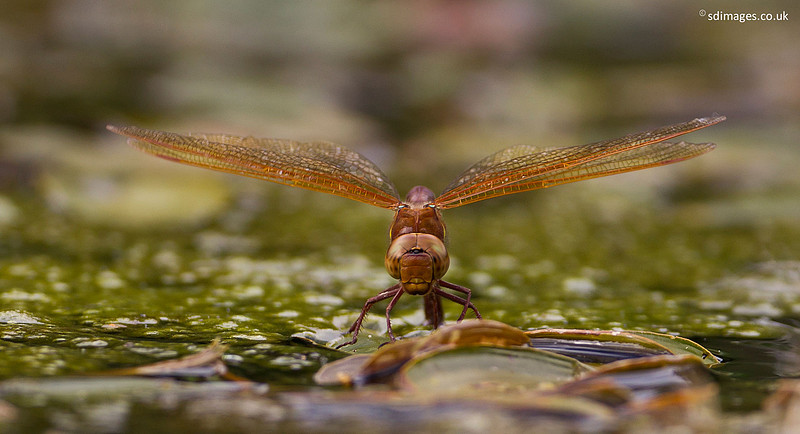
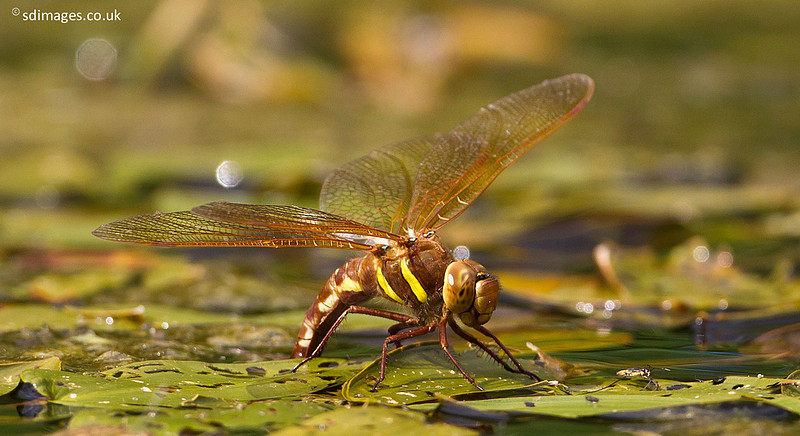
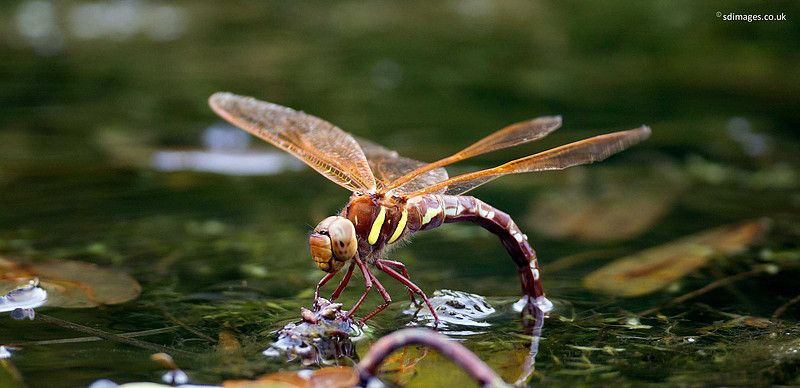
Brown Hawker
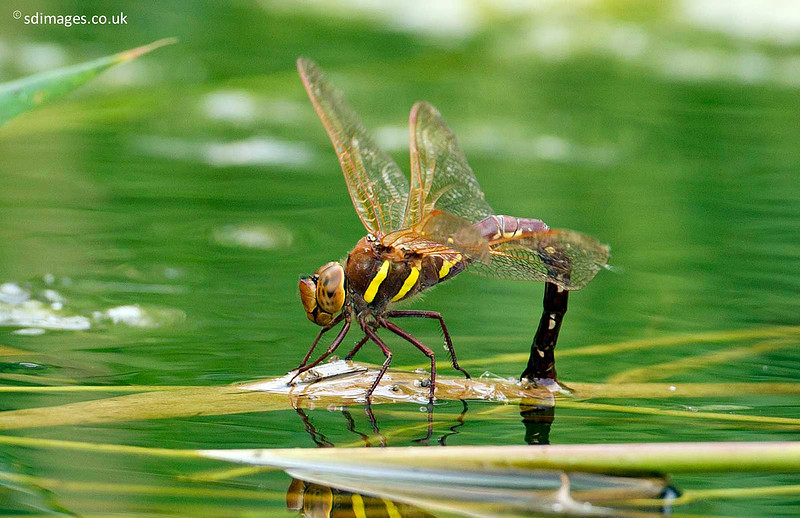
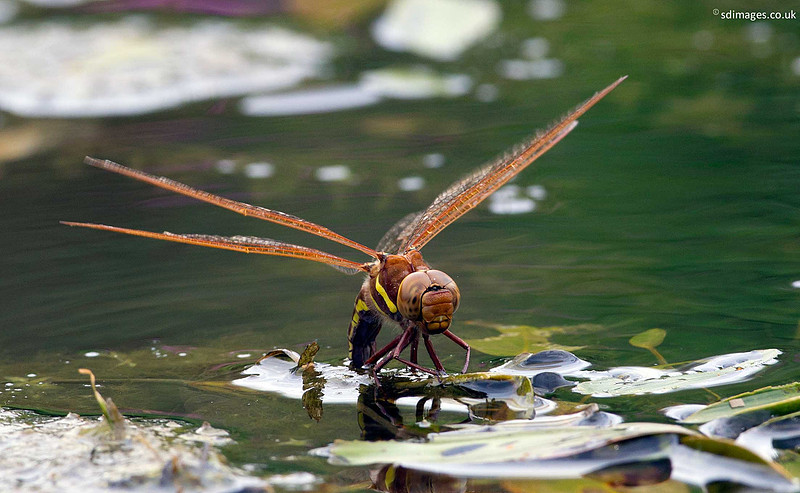
This large dragonfly is easily distinguished. Both sexes are a rich brown and have a distinctive golden-brown wing.
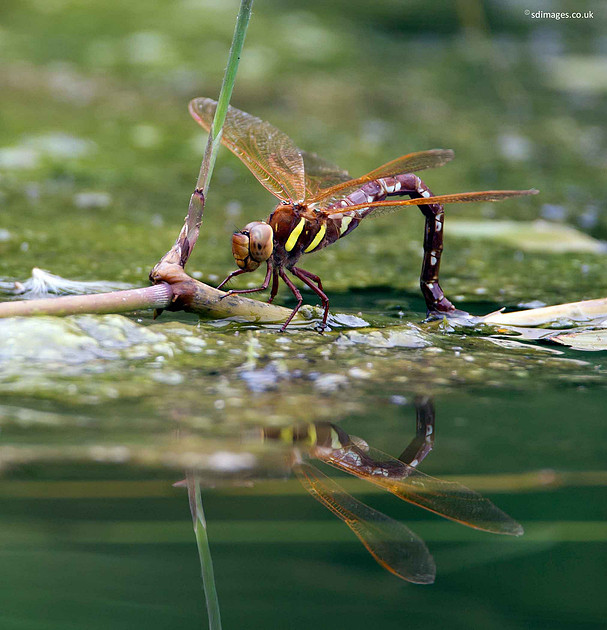
The male has two small blue spots on segment 2 and blue spots along the sides of the abdomen. Both sexes have yellow thorax stripes which are very bright yellow in males but duller in females.
Silver Y Moth
The colour ranges from silvery grey to velvety black with a purple tinge, a medium-sized moth that can be seen on warm days throughout the year, although it is most common during the late summer.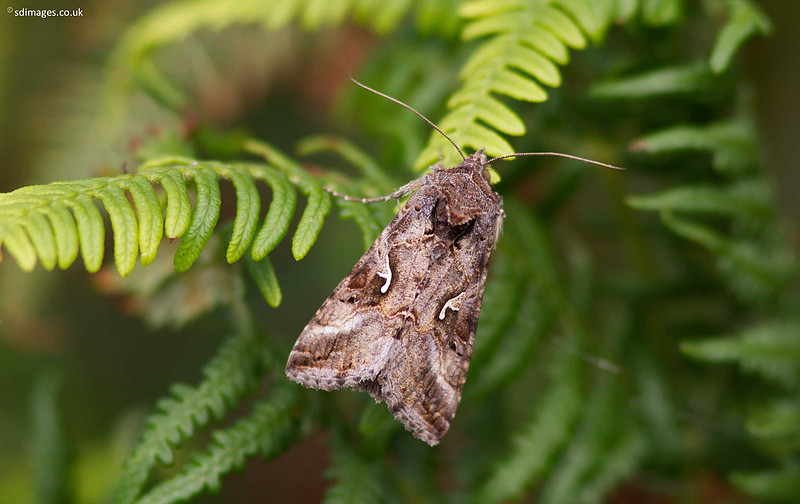
This migrant a common visitor in flowery grasslands, sand dunes and gardens.
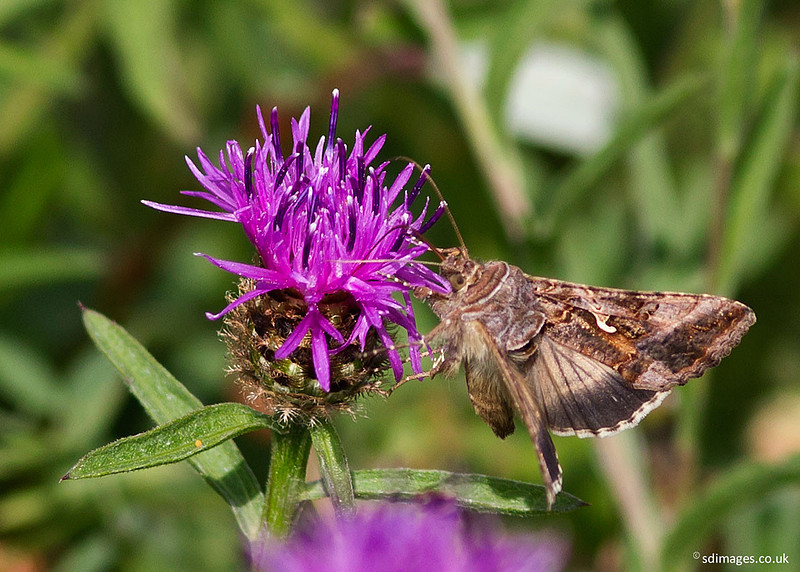
It can often be seen flying during the daytime, feeding on nectar from plants, such as buddleia and lavender, but also flies at night.
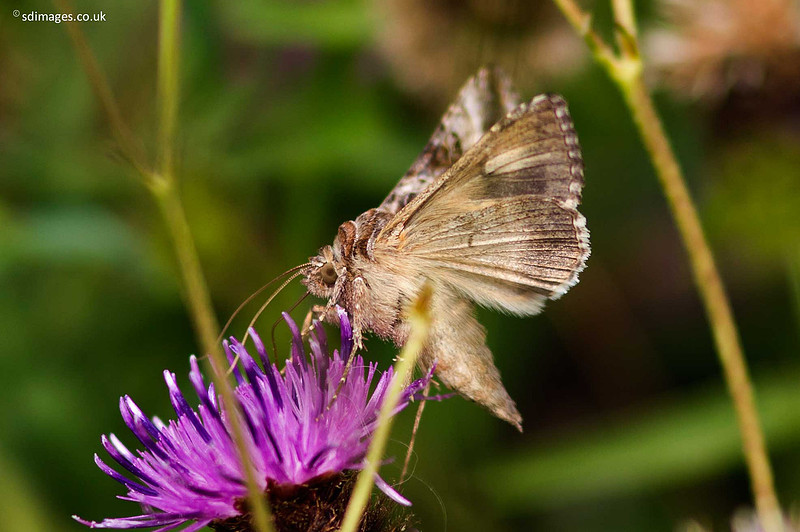
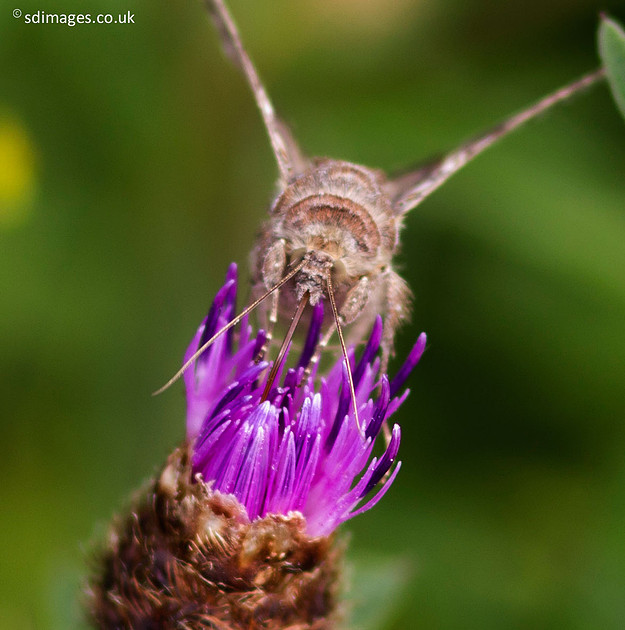
Large Yellow Underwing
The Large Yellow Underwing is a very common, large, brown moth, with orangey-yellow hindwings bordered with black.
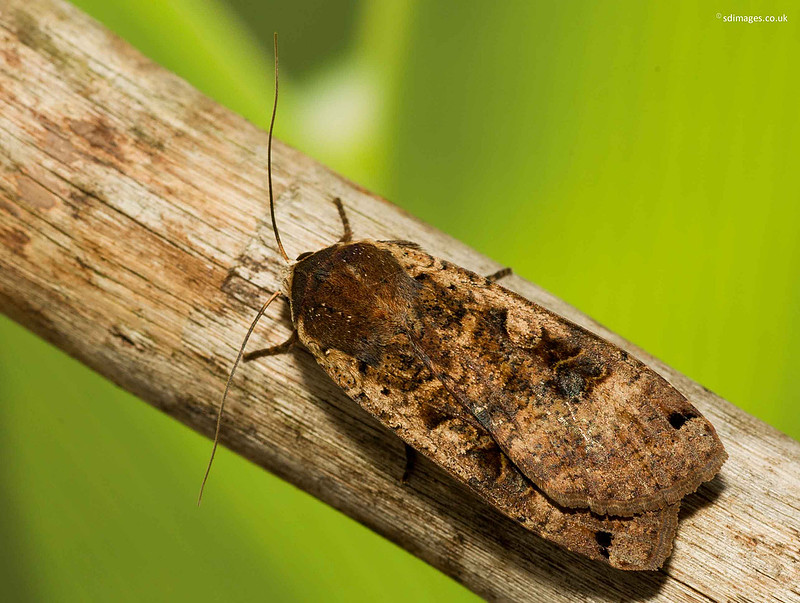
It holds its wings folded back, flat along the body, and scuttles about on the floor like a mouse.
Adults fly from June right through to November, and often come to lights at night.
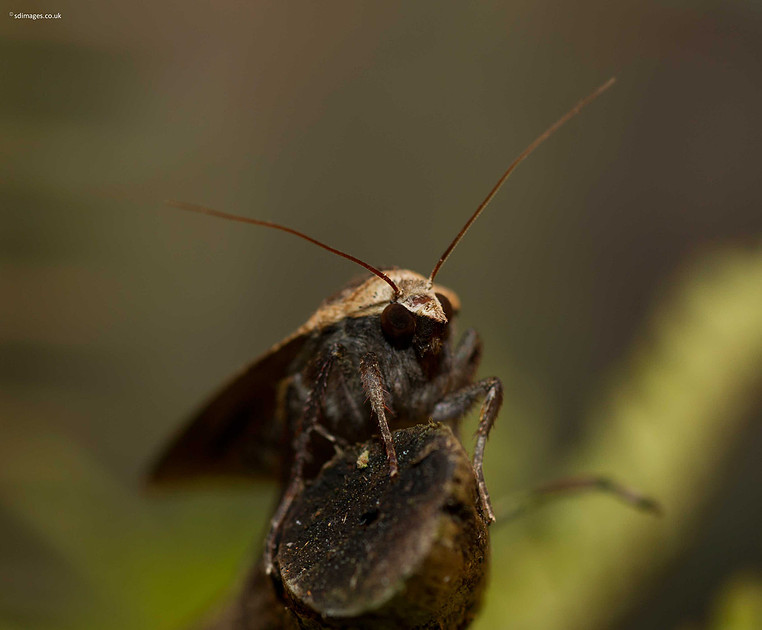
They rest during the day, but will flash their bright hindwings if disturbed to surprise and scare-off predators
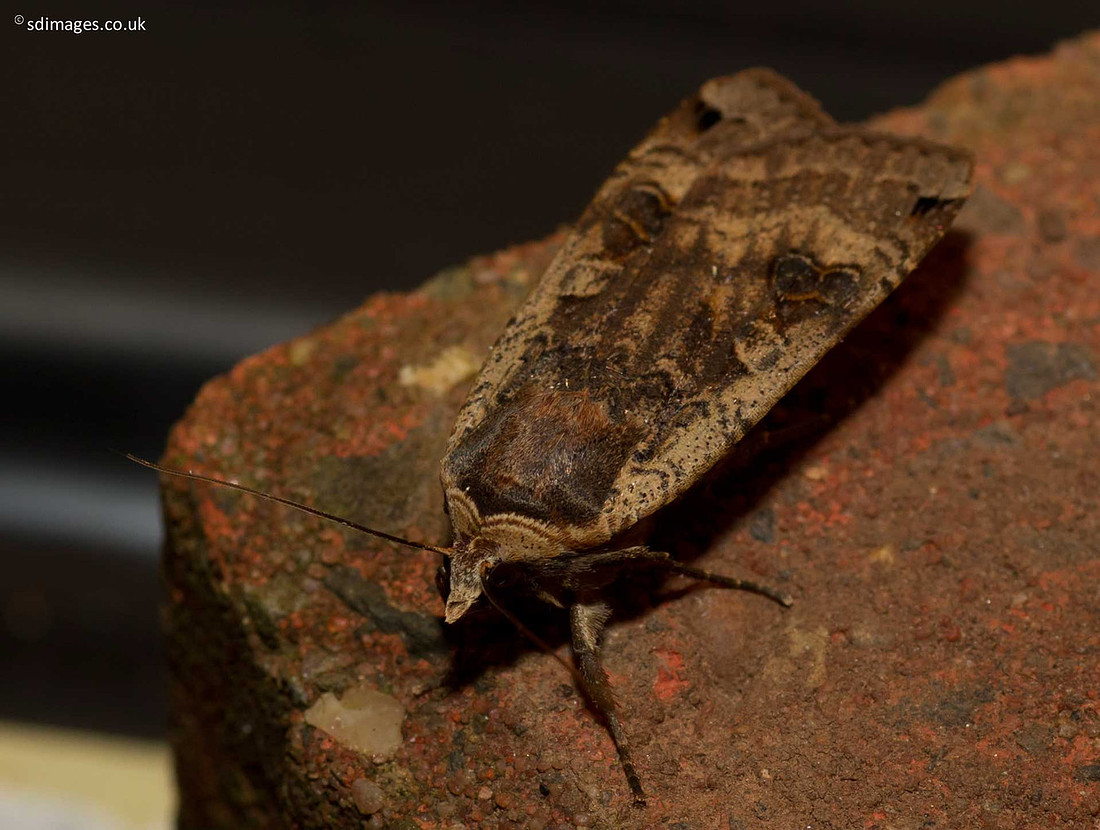
The caterpillars feed on a wide range of plants, including grasses and Dock leaves, and hibernate over winter.
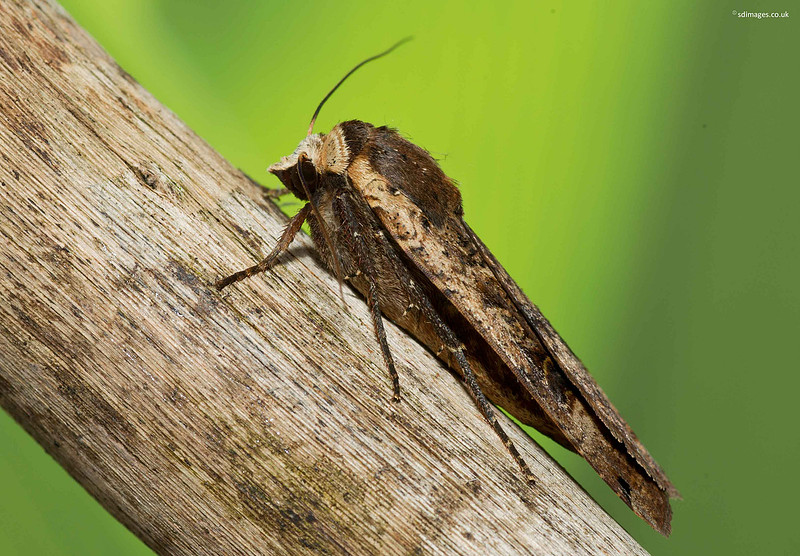
It is found almost everywhere.
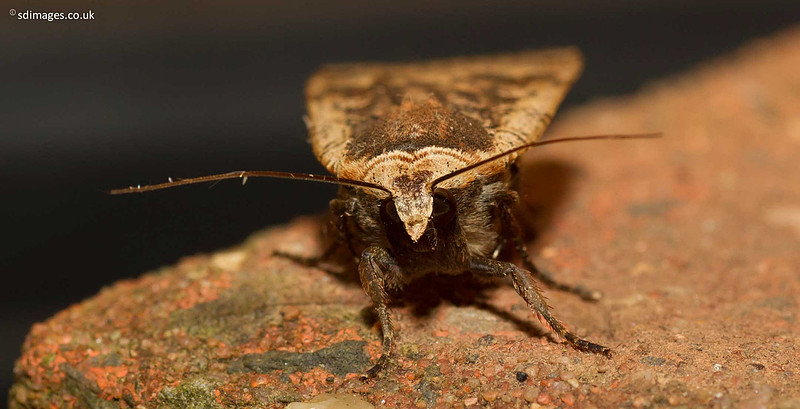
Ban this Filth
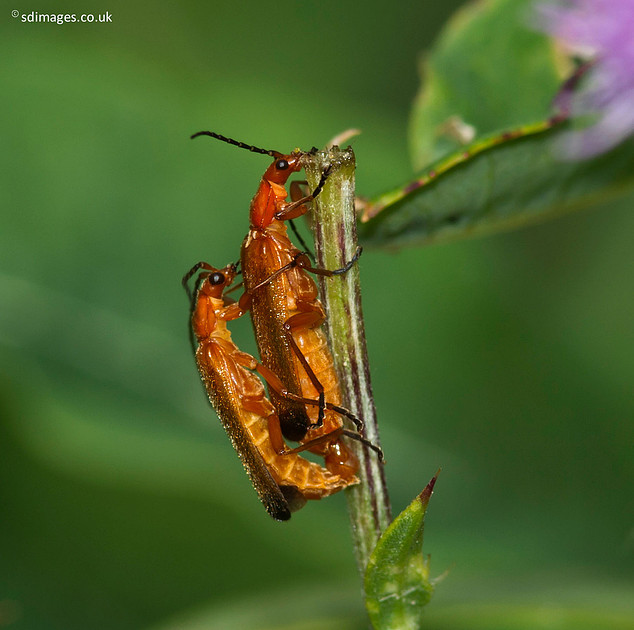
Soldier Beetle making an army.
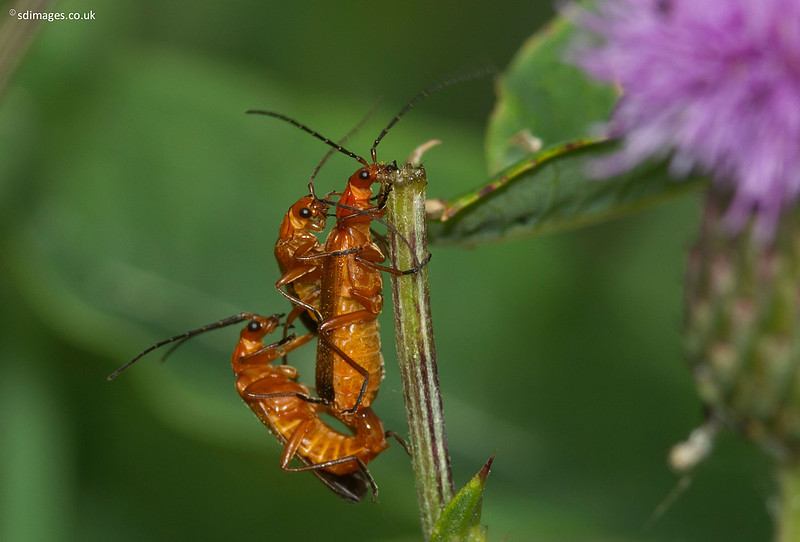
Another Soldier Beetle trying its luck
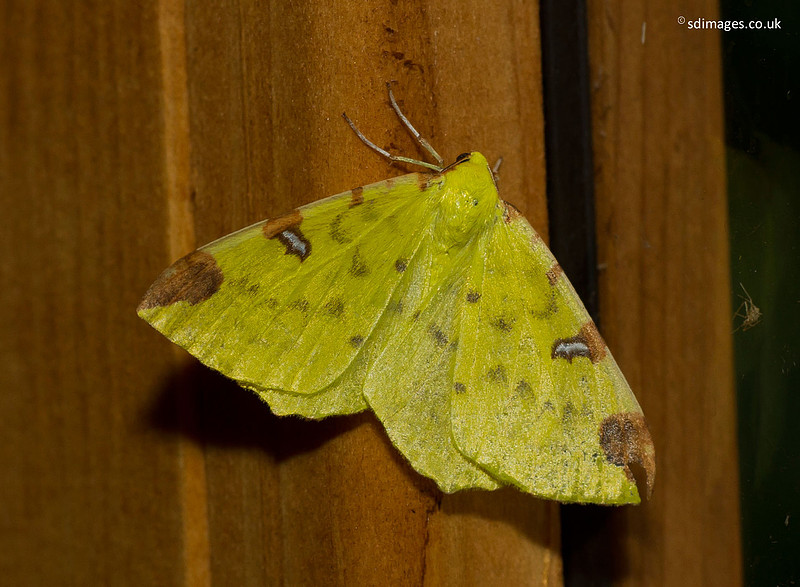
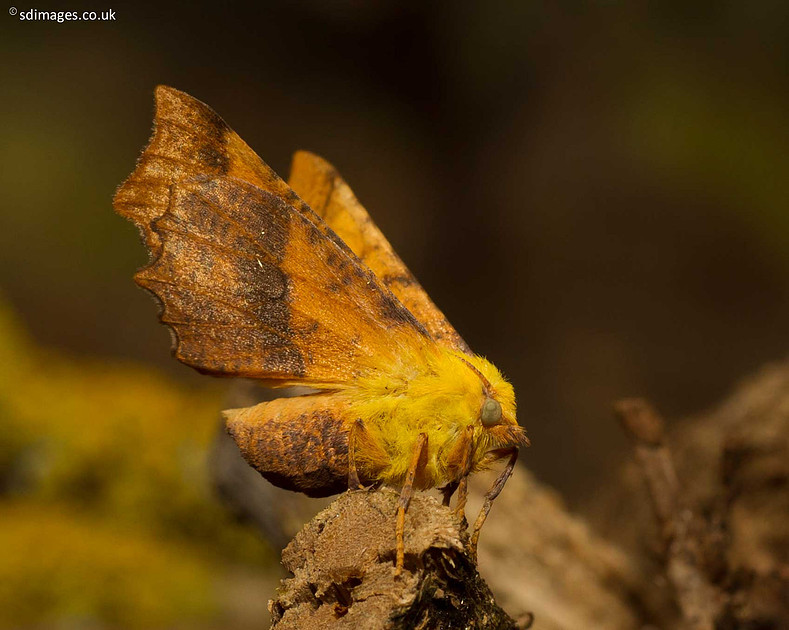
Brimstone Moth
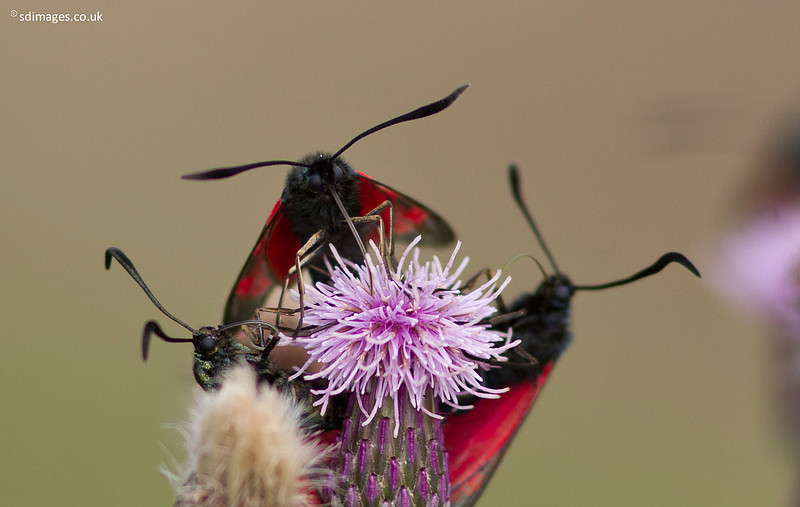
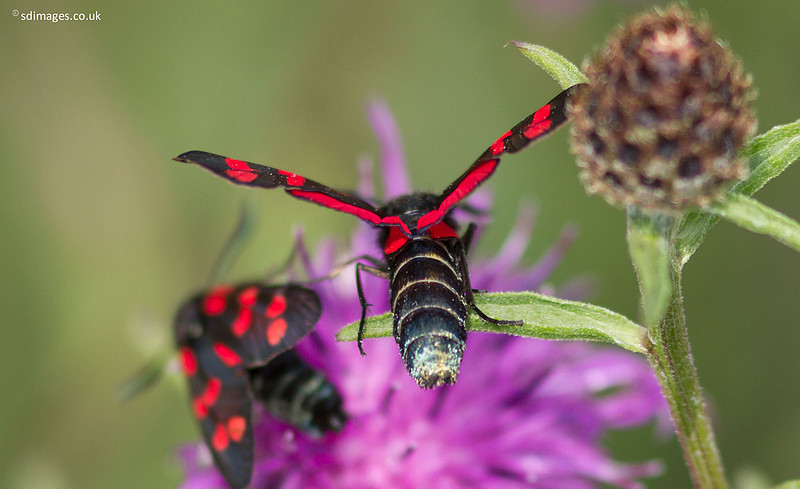
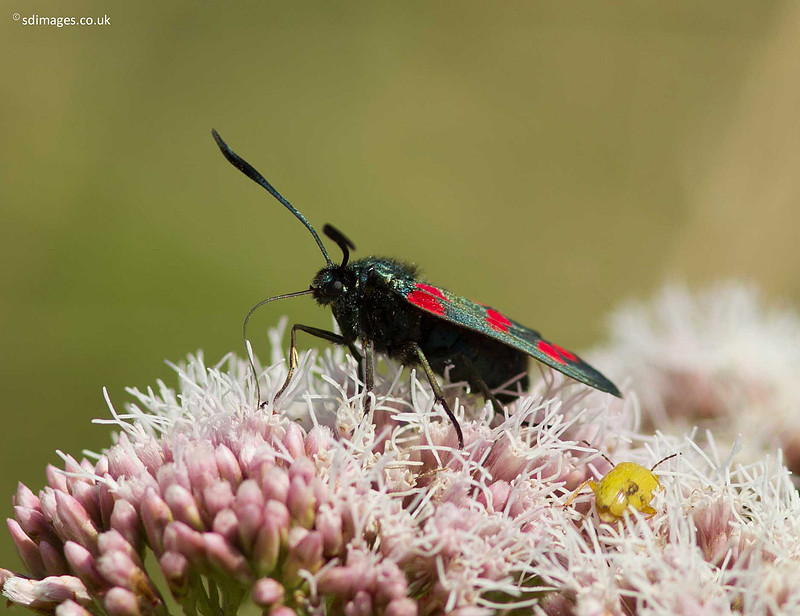
Six-Spot Burnet
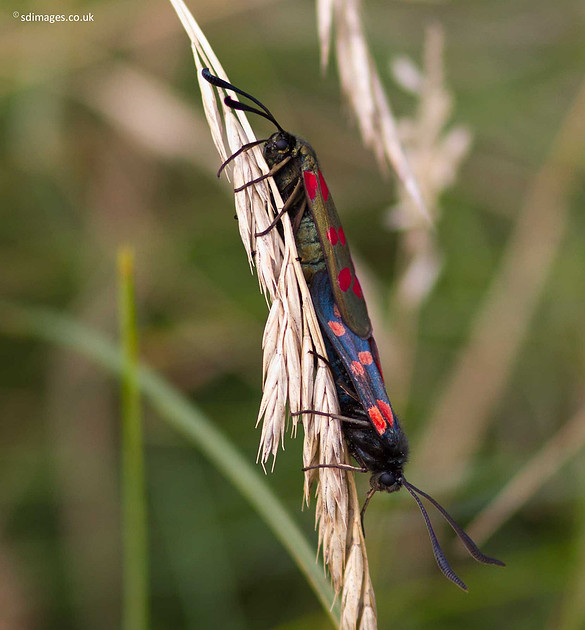
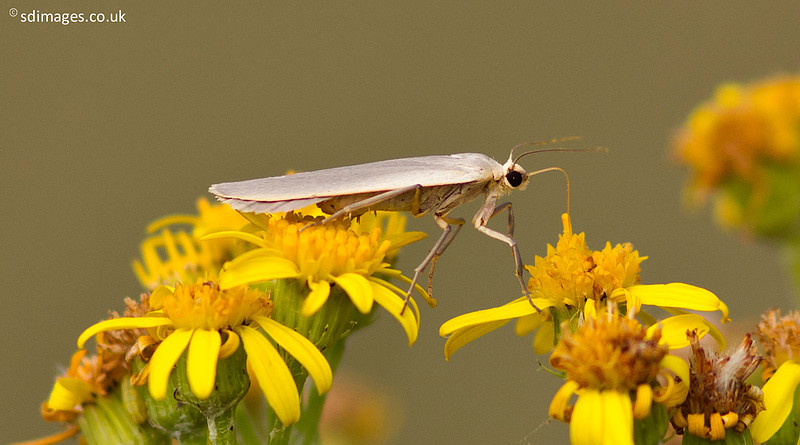
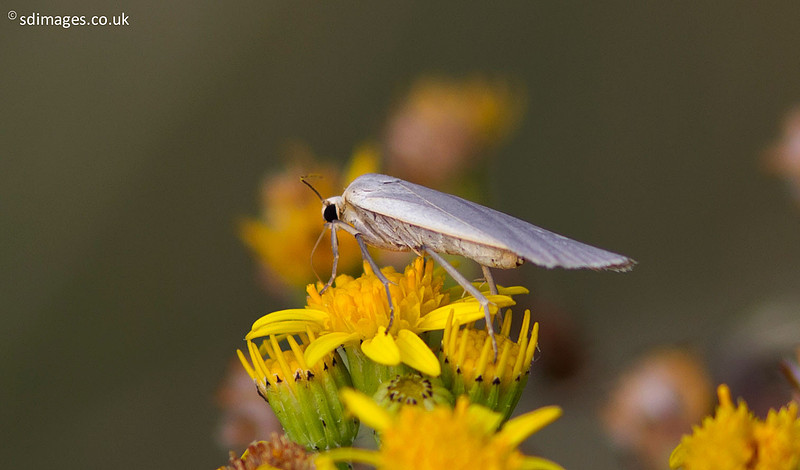
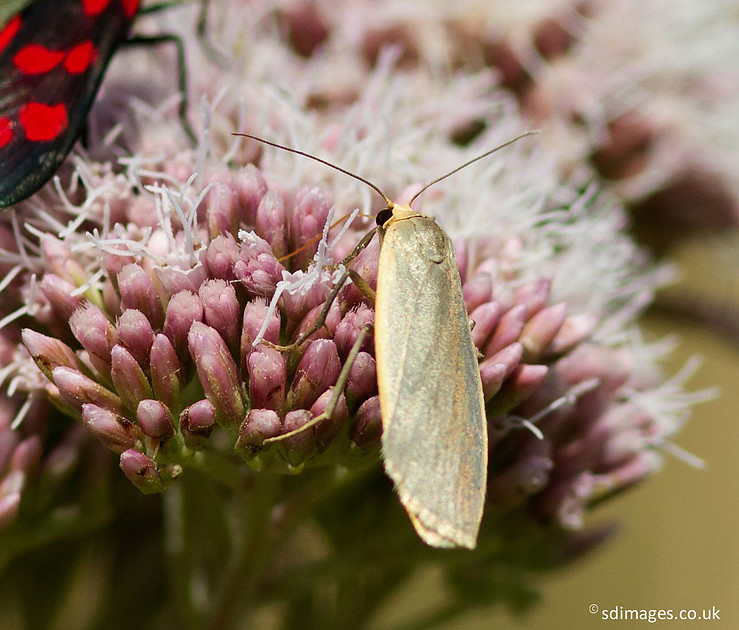
Common Footman
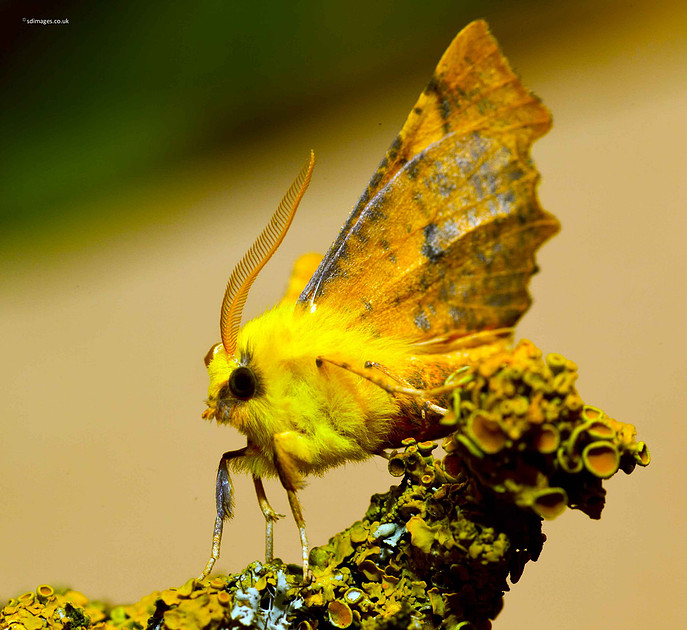
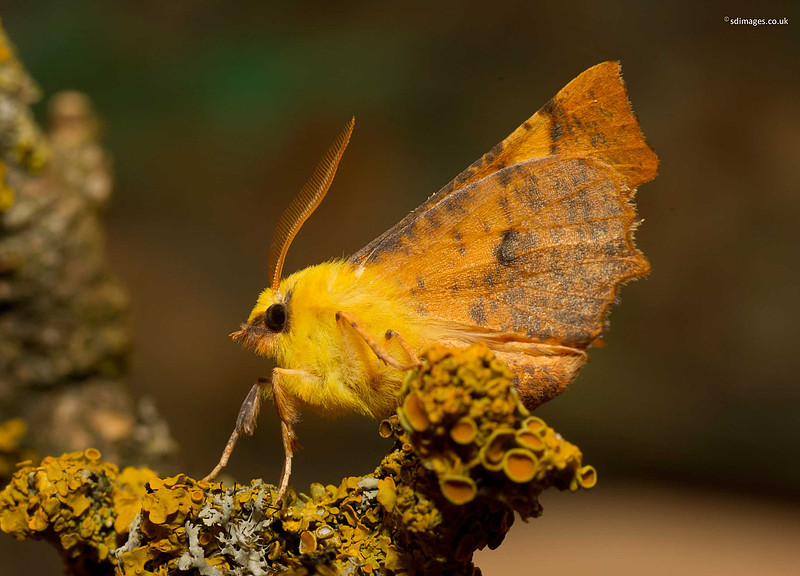
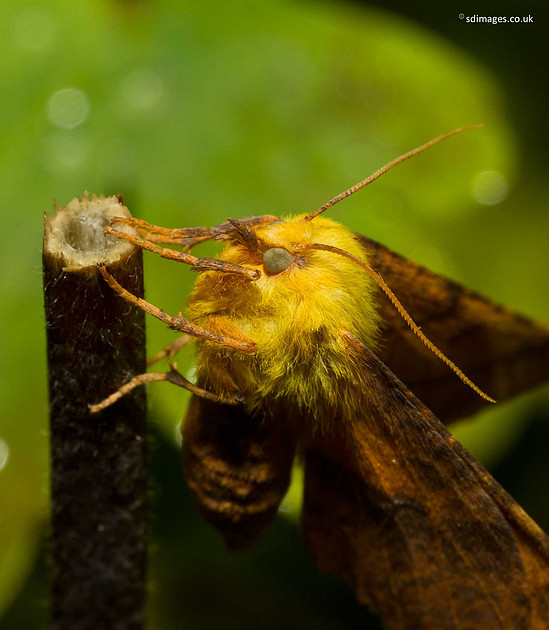
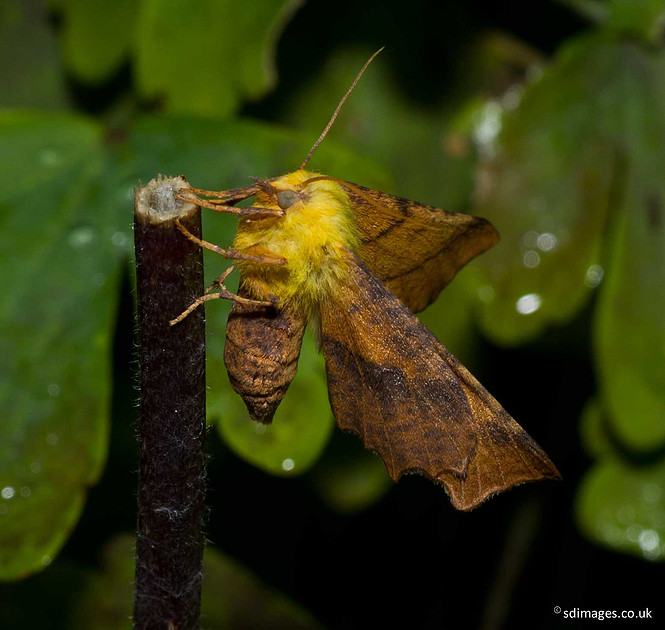
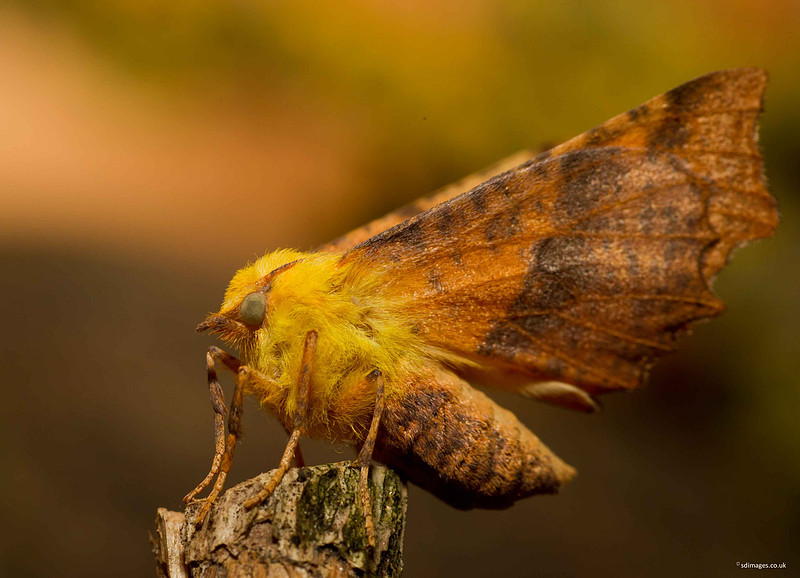
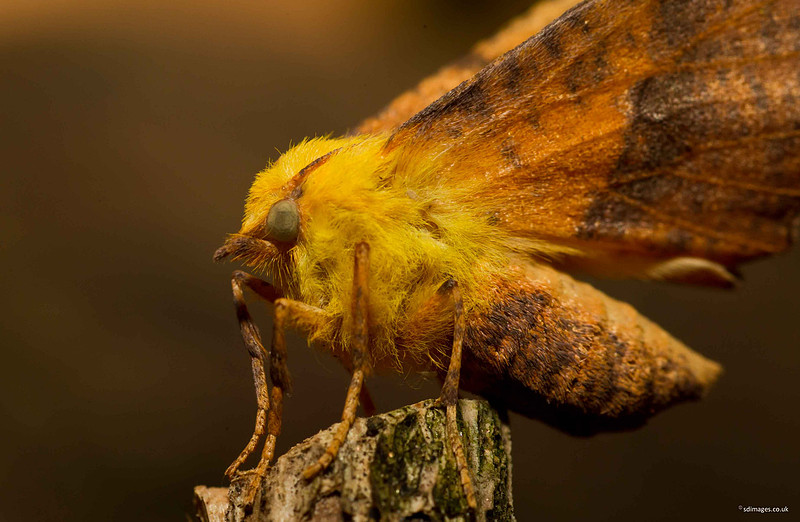
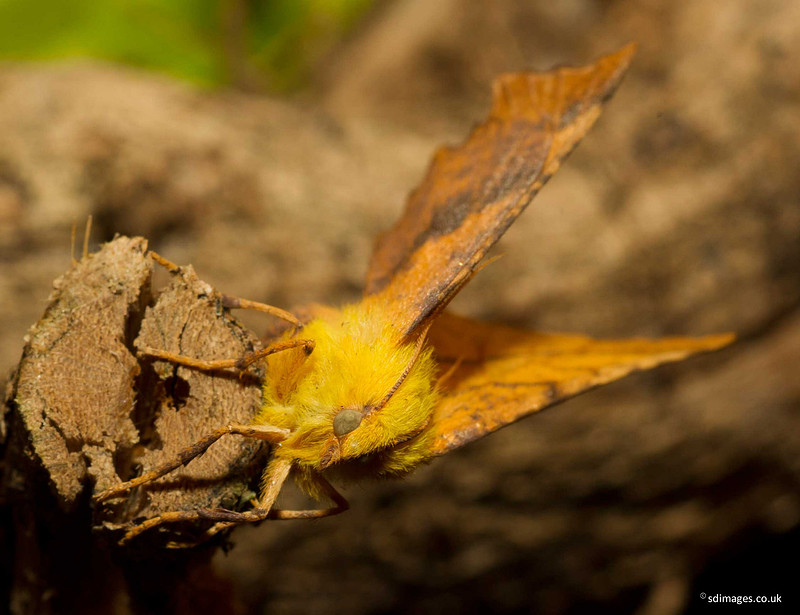
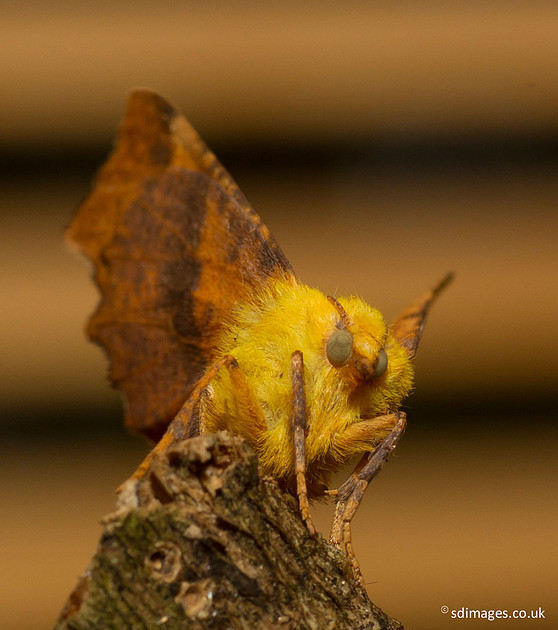
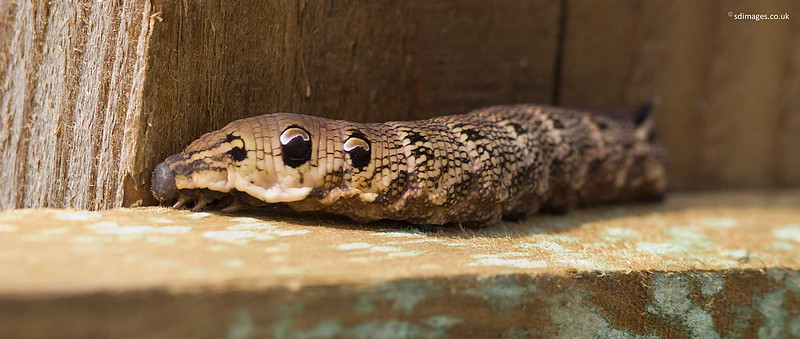
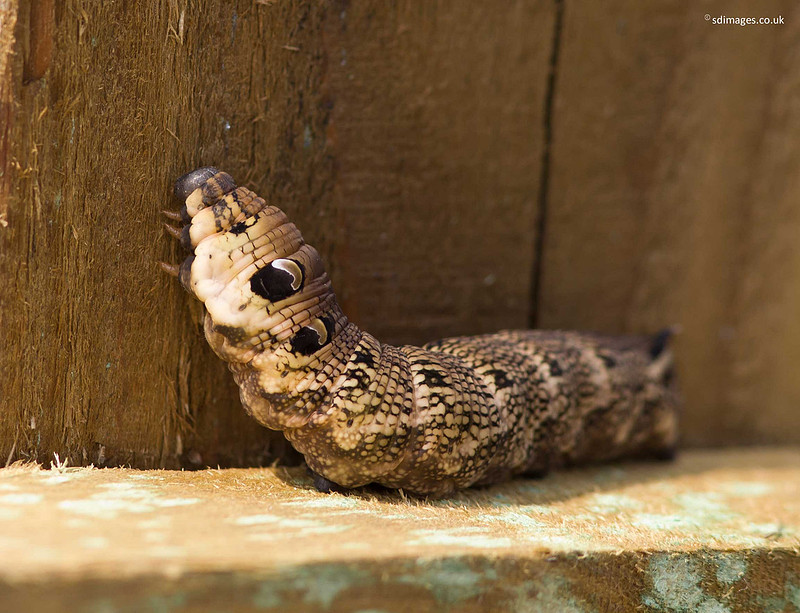
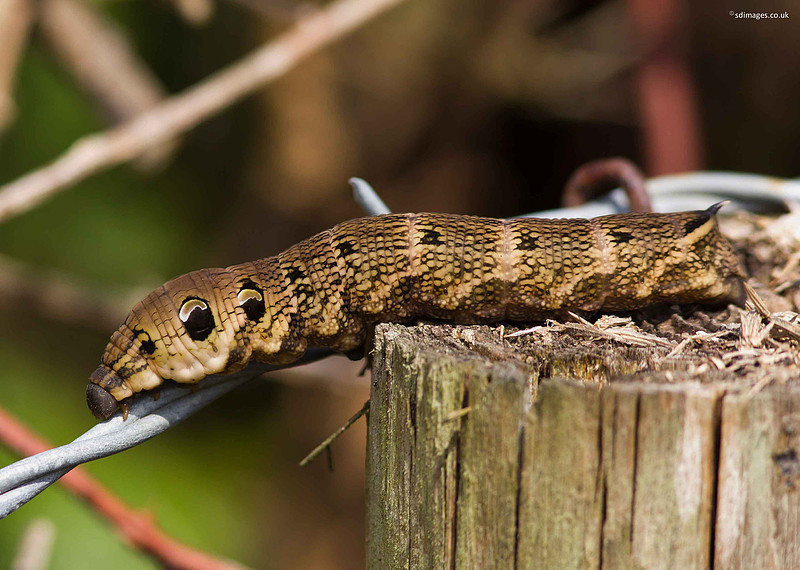
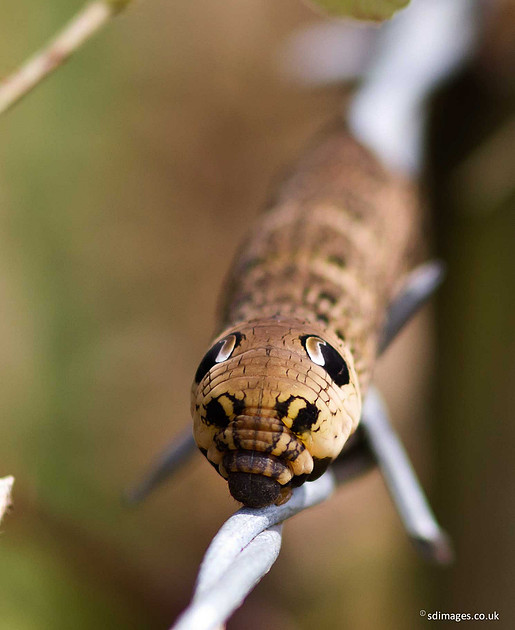
Elephant Hawkmoth
Kenfig Nature Reserve 2 miles from the small coastal town of Porthcawl, South Wales.
The site is made up of 100 acres of sand dunes with a large pool being the focal point for wildlife.
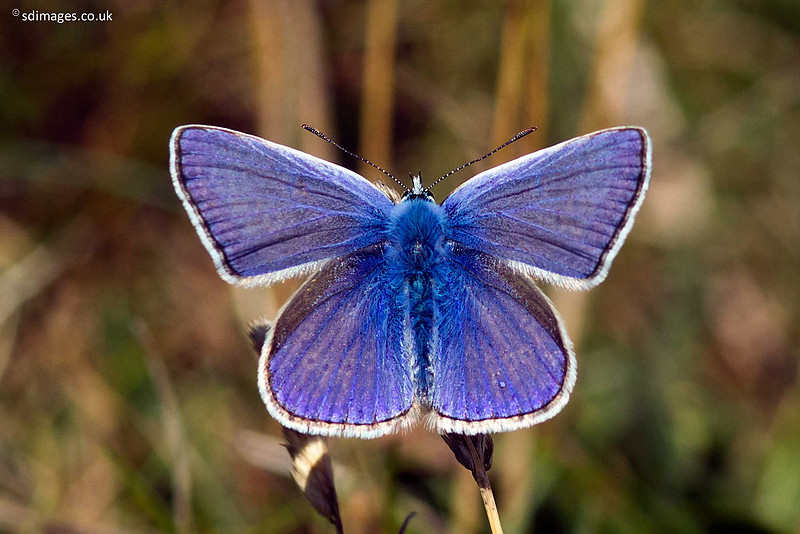
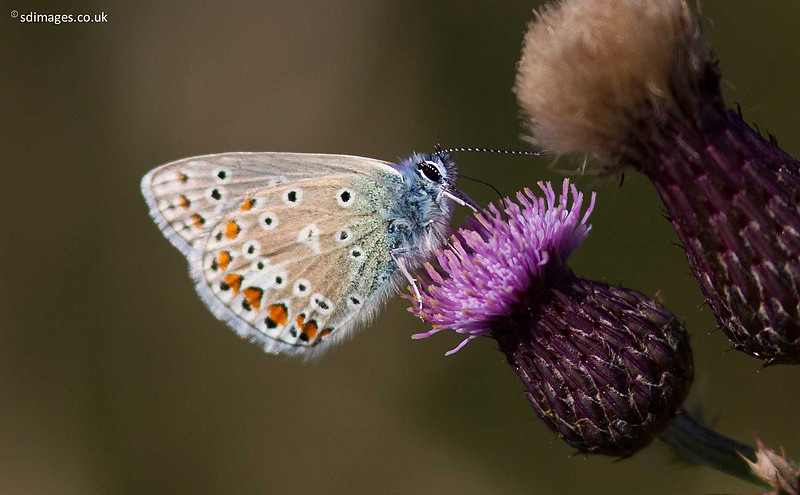
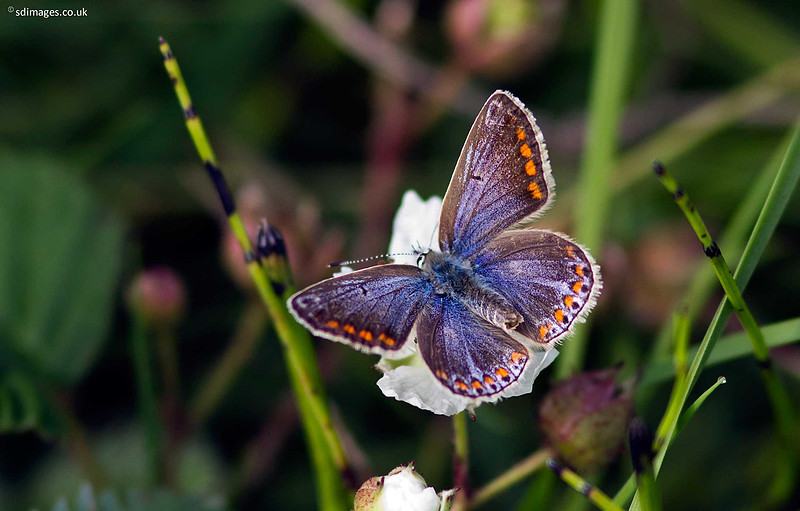
The dunes and wildflower areas attract lots of Butterflies and moths.
I made my way to the reserve from Porthcawl using the coastal path, stopping several times to take Photographs.
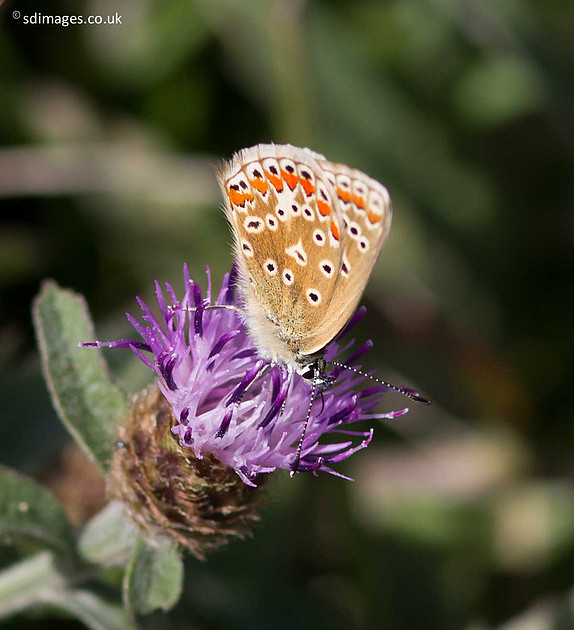
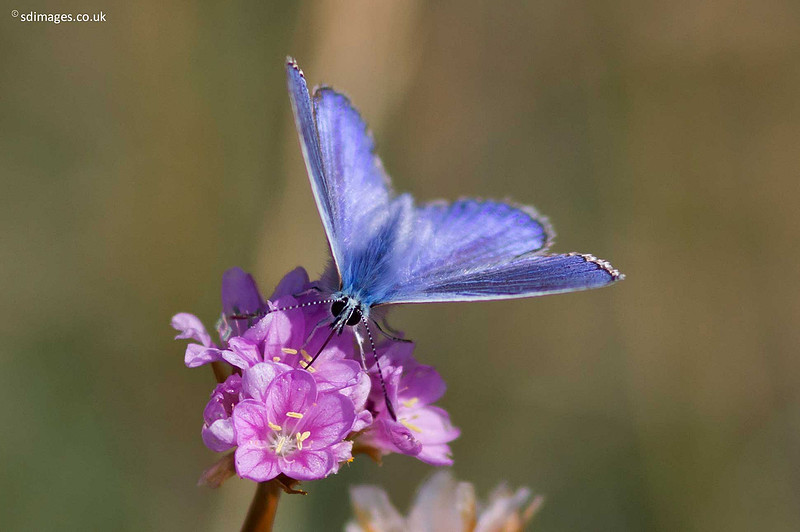
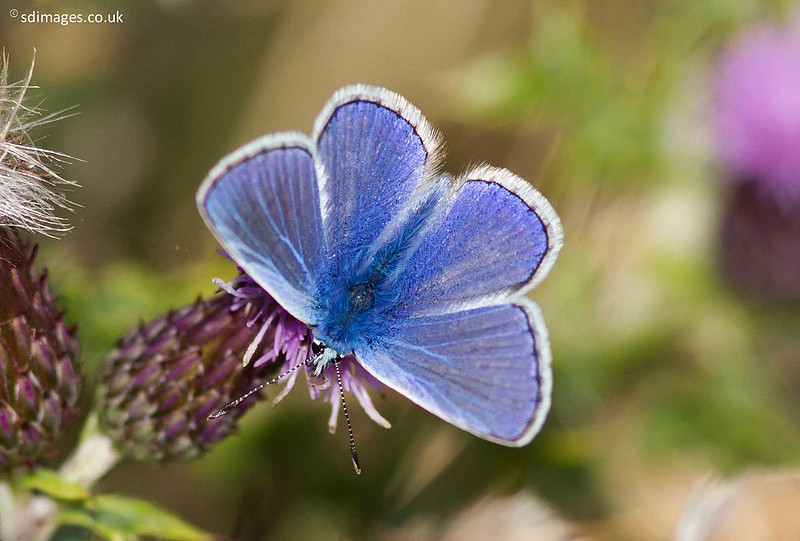
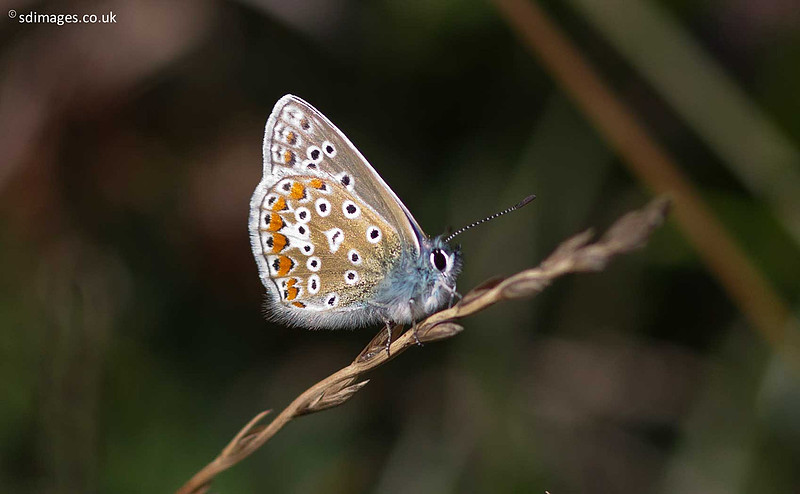
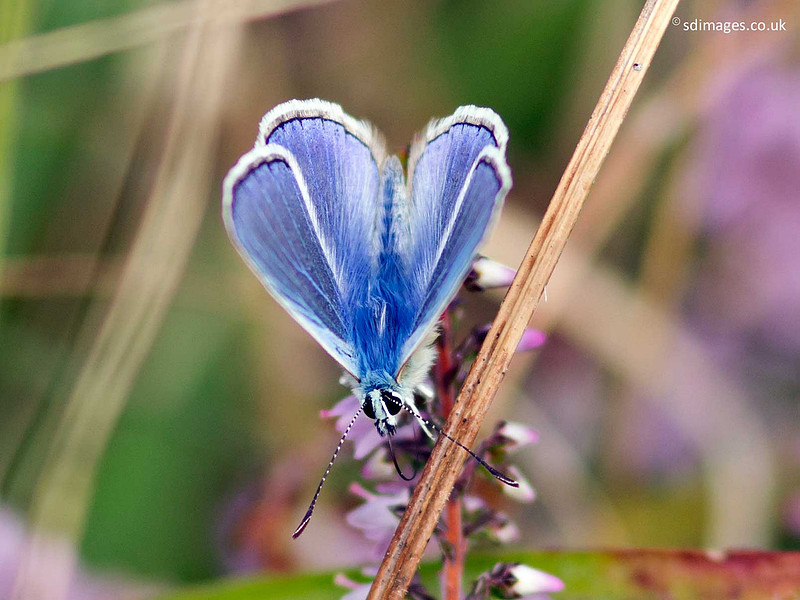
My main interest being the Common Blue Butterflies which were very active even in the strong wind.
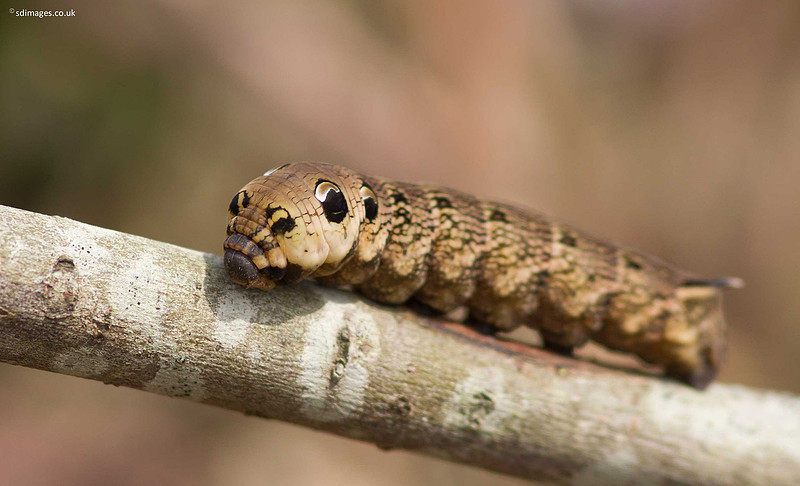
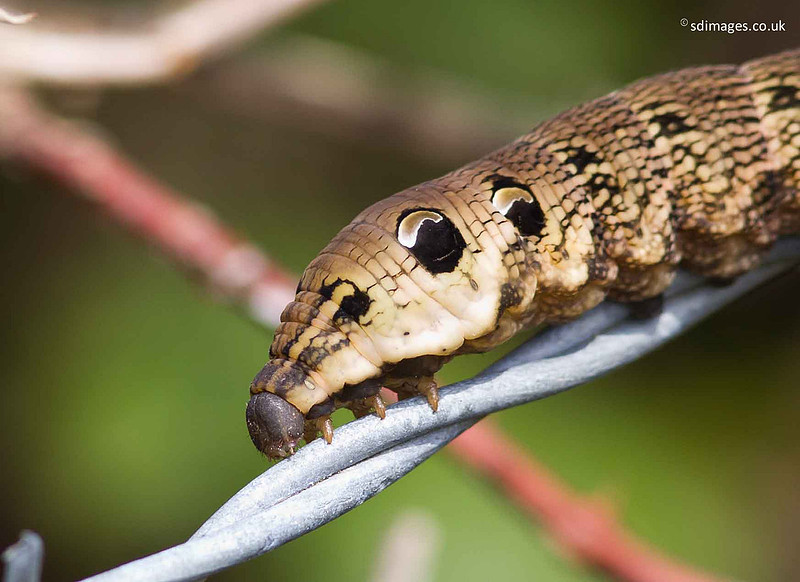
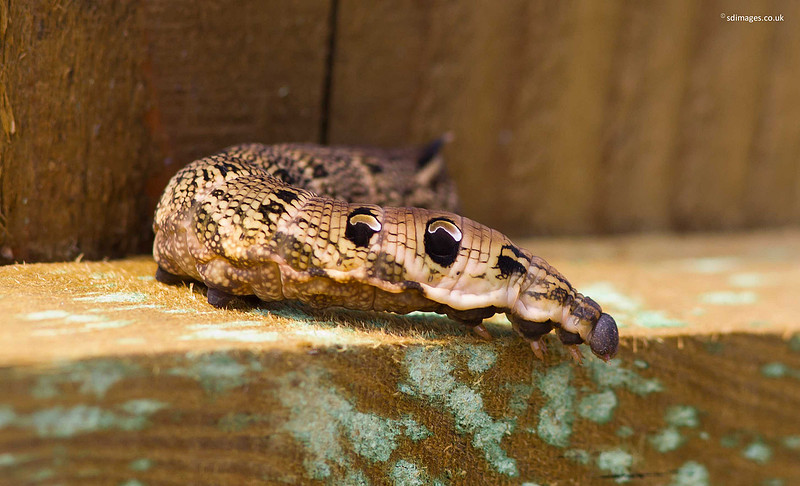
Too my surprise crossing the path in front of me was an Elephant Hawkmoth caterpillar.
It could be a Dark Green Fritillary
Not sure on the ID on this butterfly I think it’s a Dark Green Fritillary.
I will send it to Birdguides for ID and put in on Flickr someone will put the correct name to it.
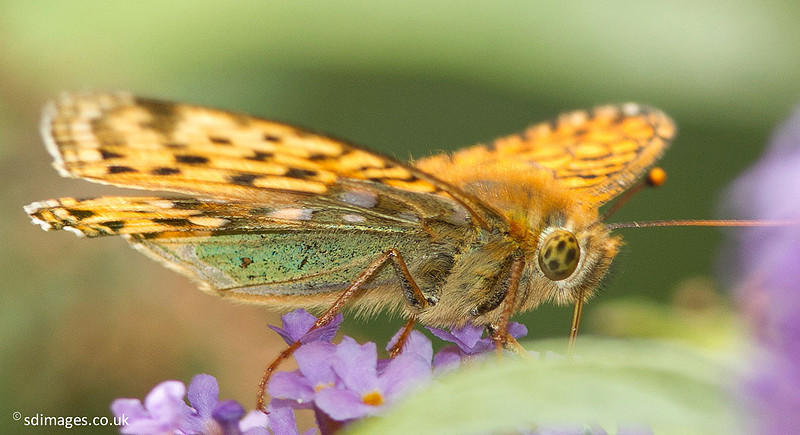
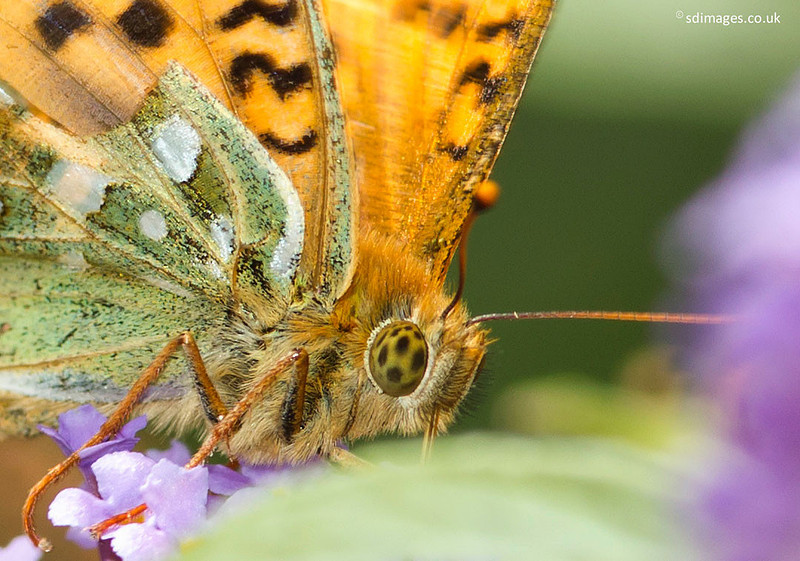
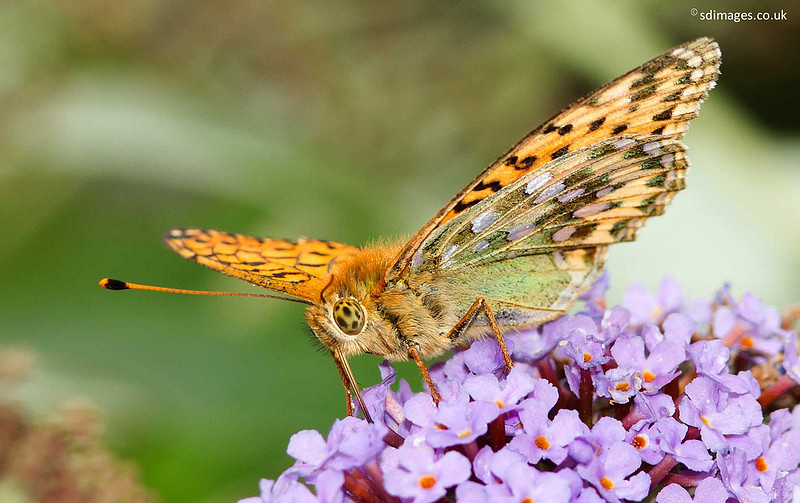
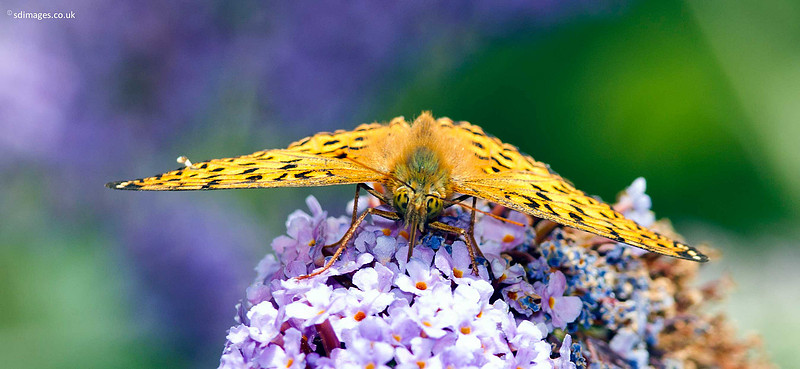
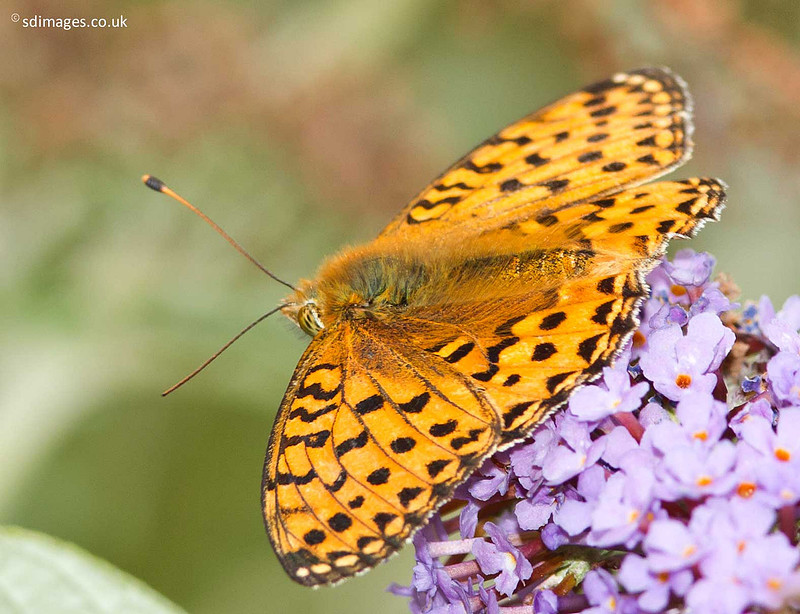
Shots taken at Woolston Eyes Nature Reserve
Too much sun
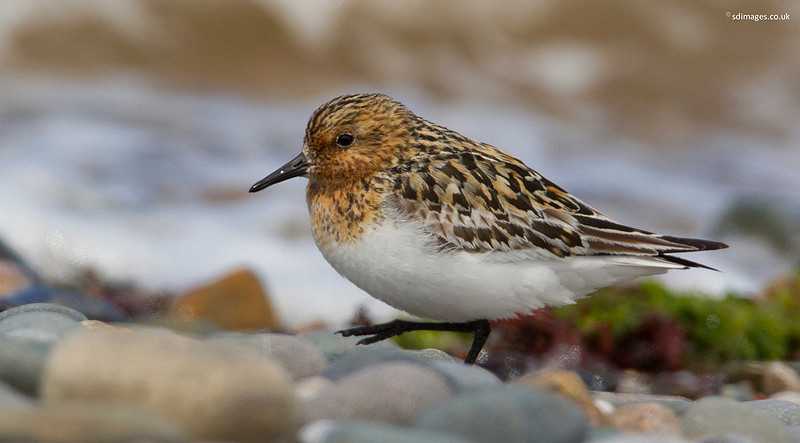
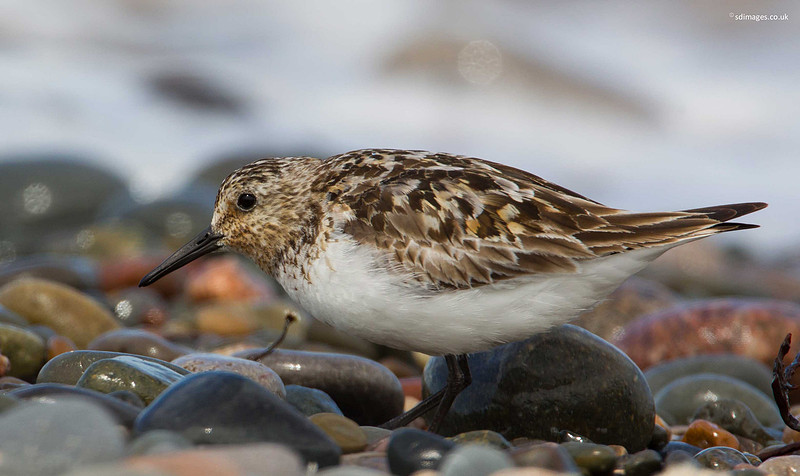
Fleetwood at high tide produced lots of opportunities to get close up shots of wading birds
however getting good shots in harsh light is another matter.
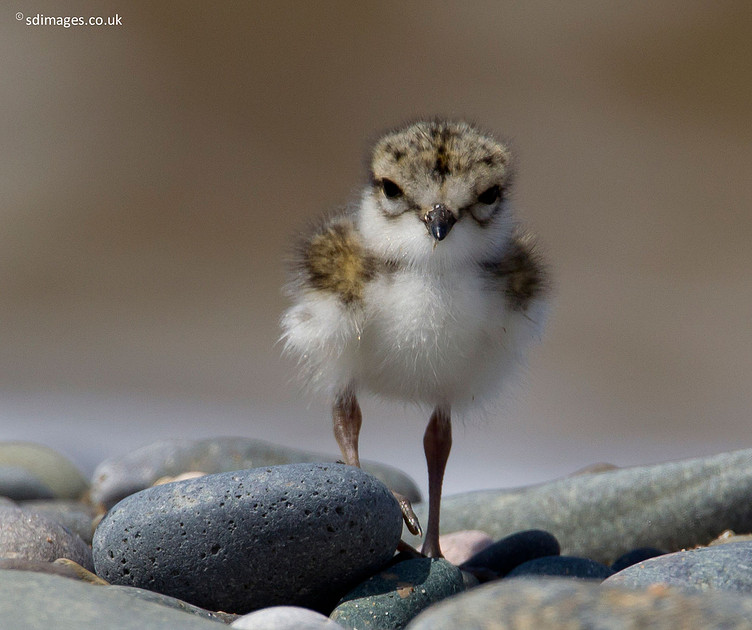
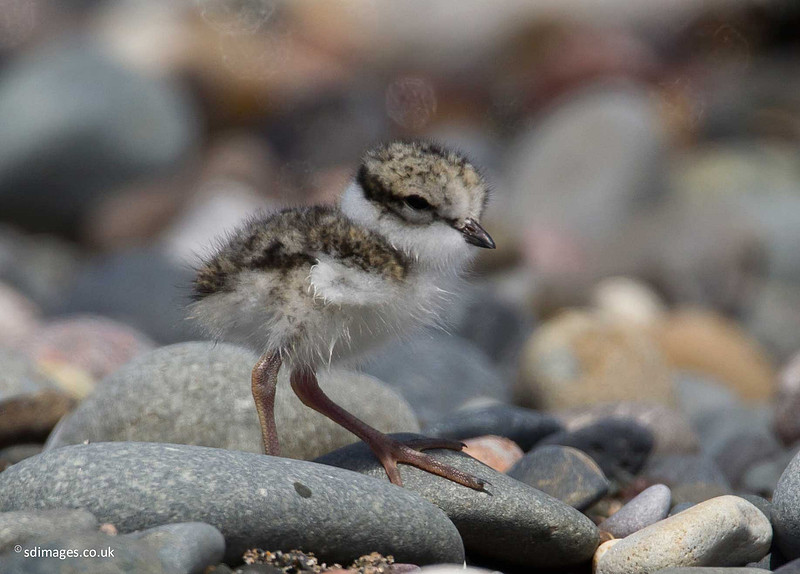
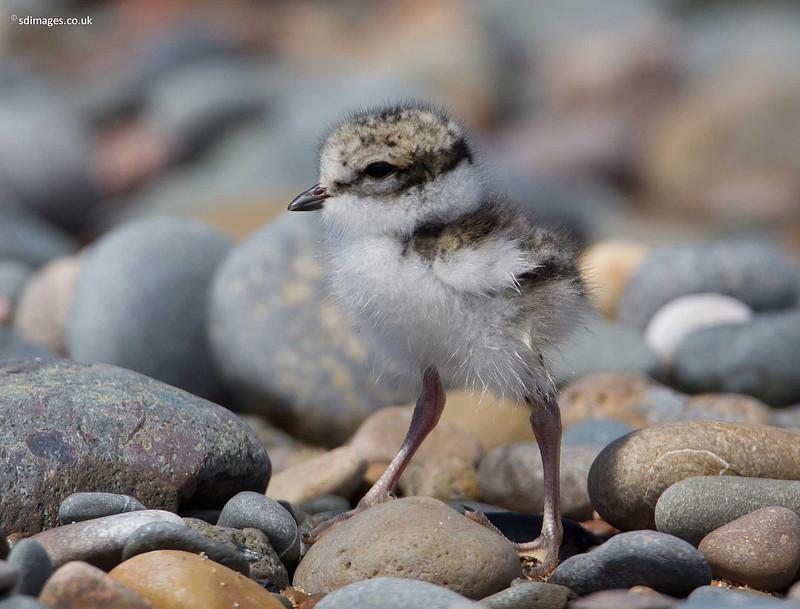
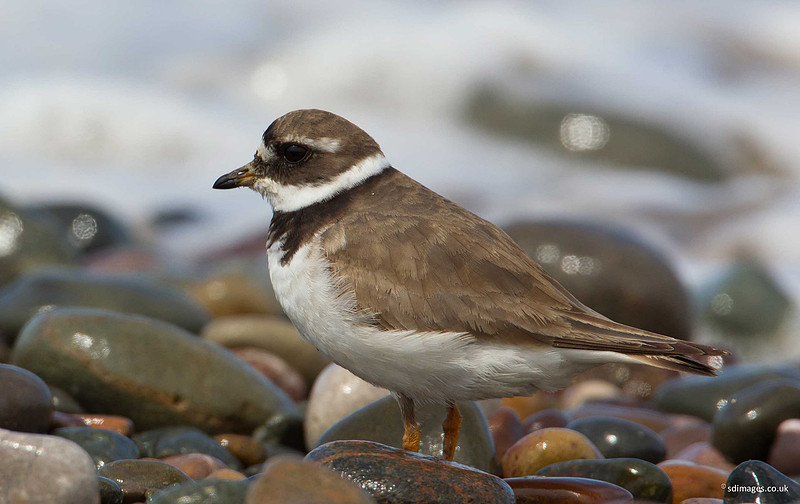
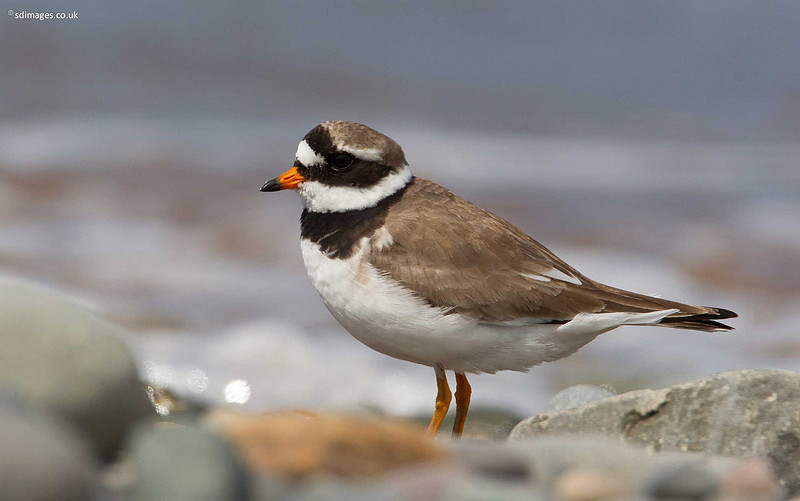
Ring Plover chick
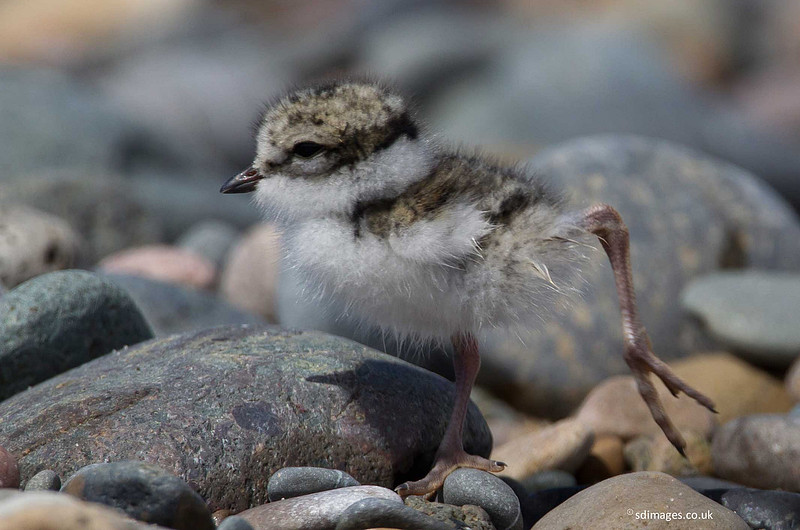
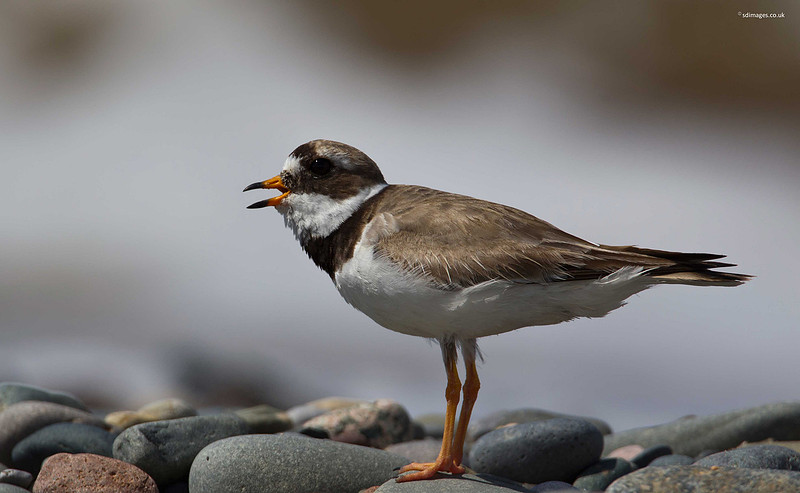
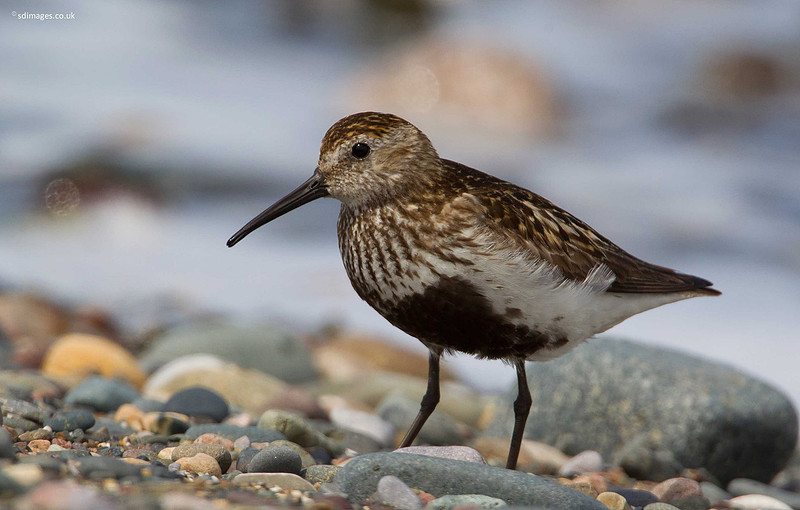
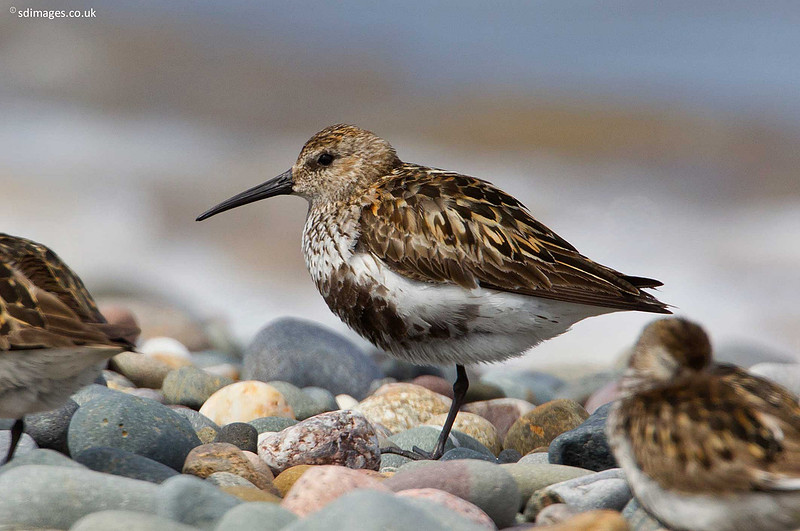
Dunlin
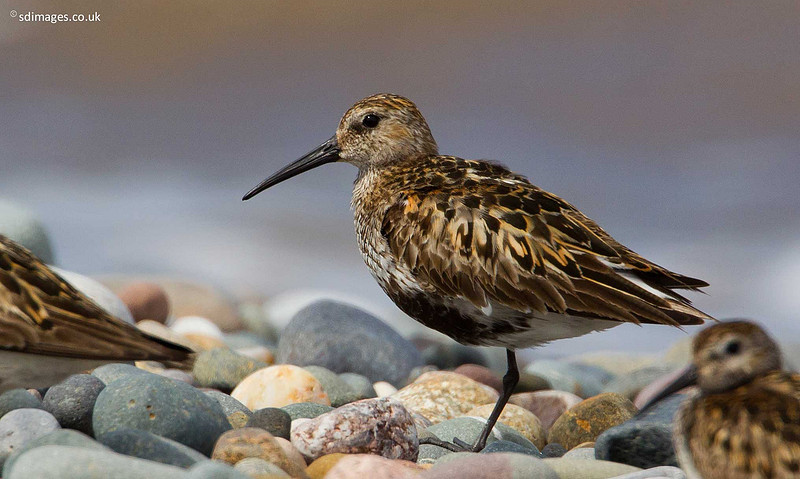
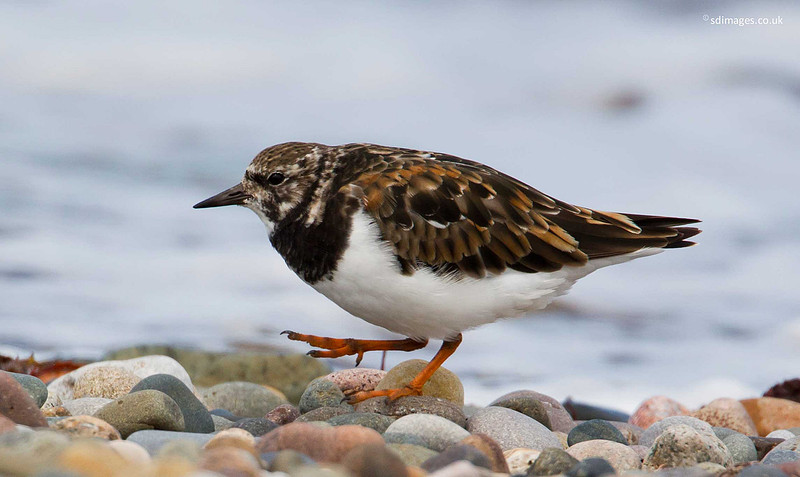
Turnstone
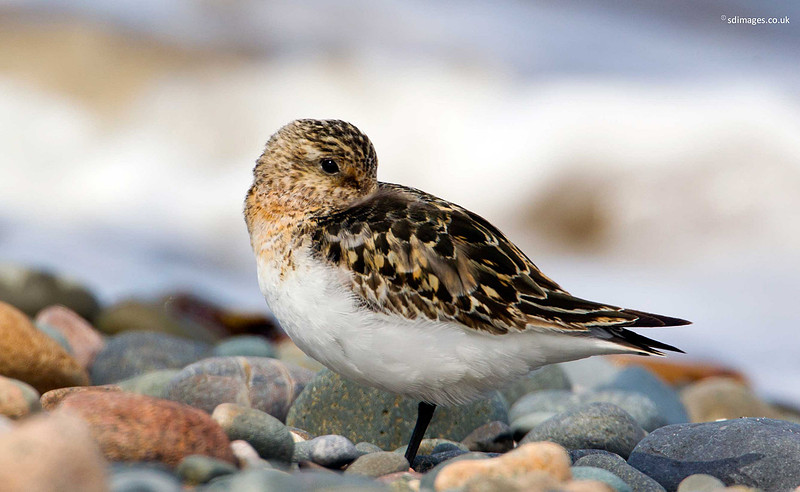
Sanderling
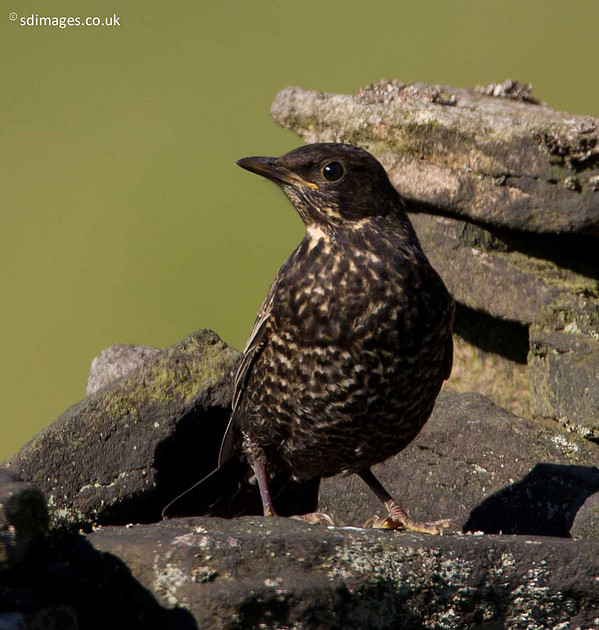
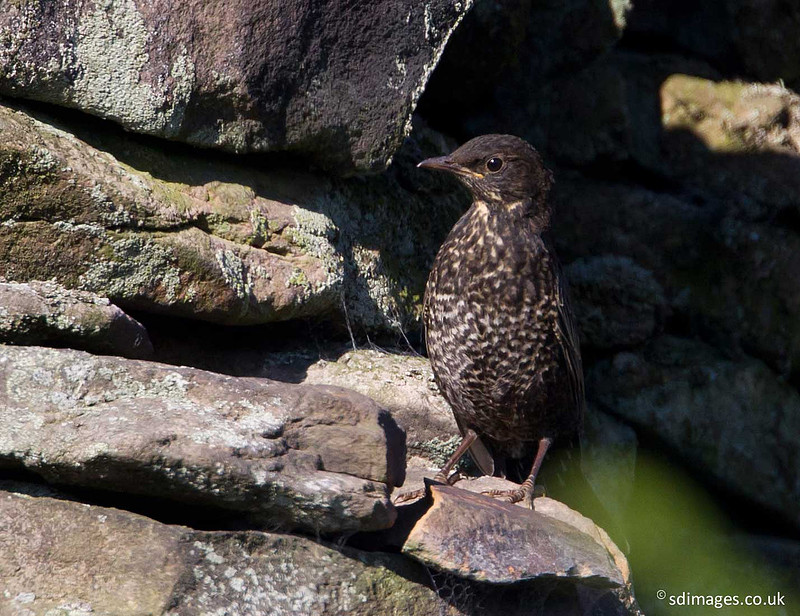
Ring Ouzel
Slightly smaller and slimmer than a blackbird - male ring ouzels are particularly distinctive with their black plumage with a pale wing
panel and striking white breast band. The ring ouzel is primarily a bird of the uplands, where it breeds mainly in steep sided valleys,
crags and gullies.
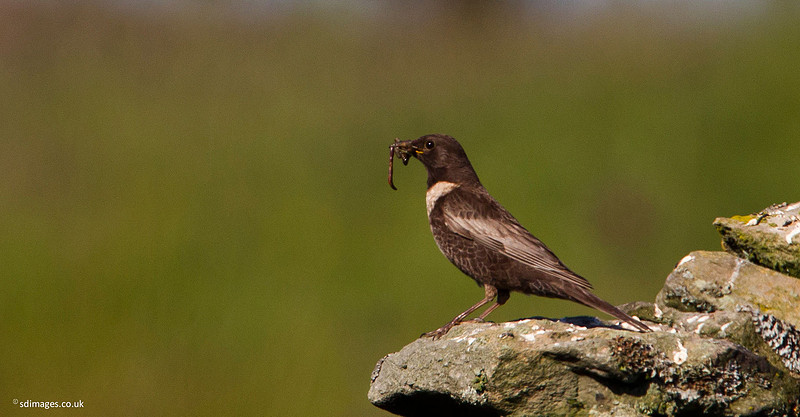
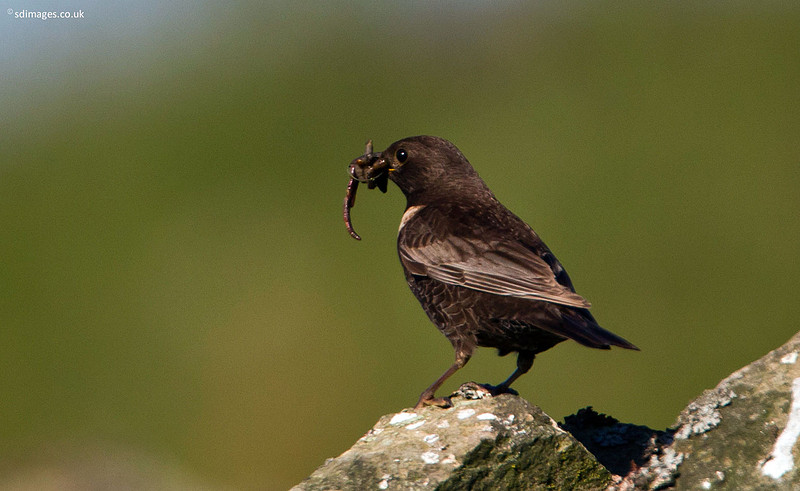
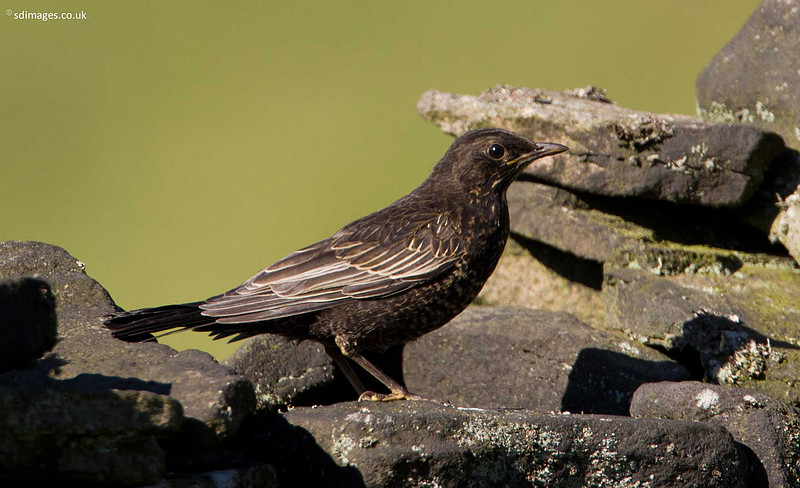
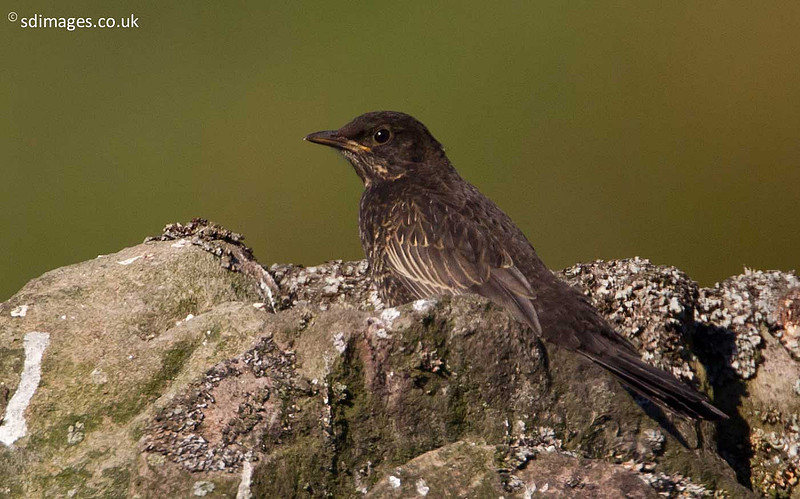
Strong sunlight made getting any good photographs difficult
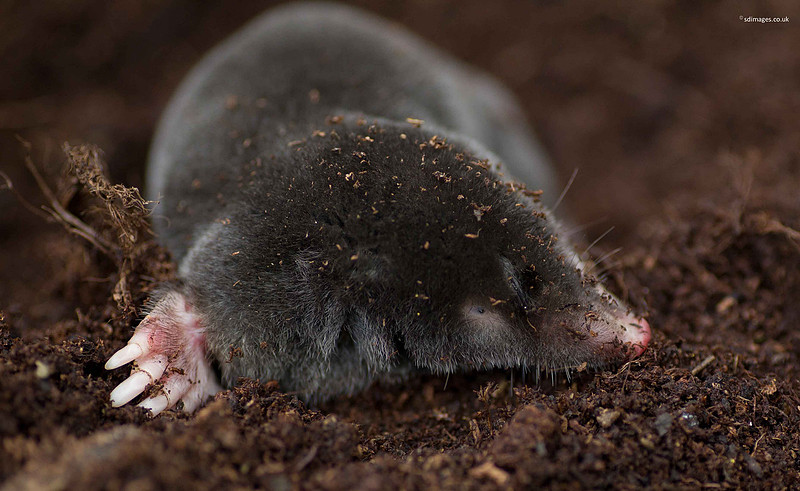
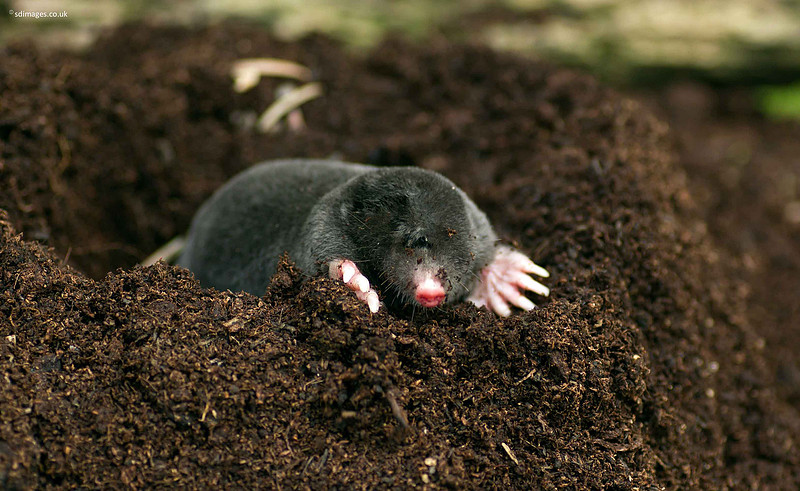
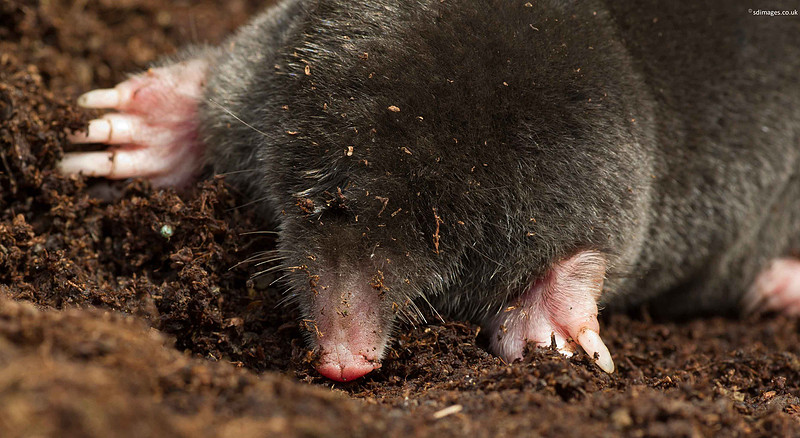
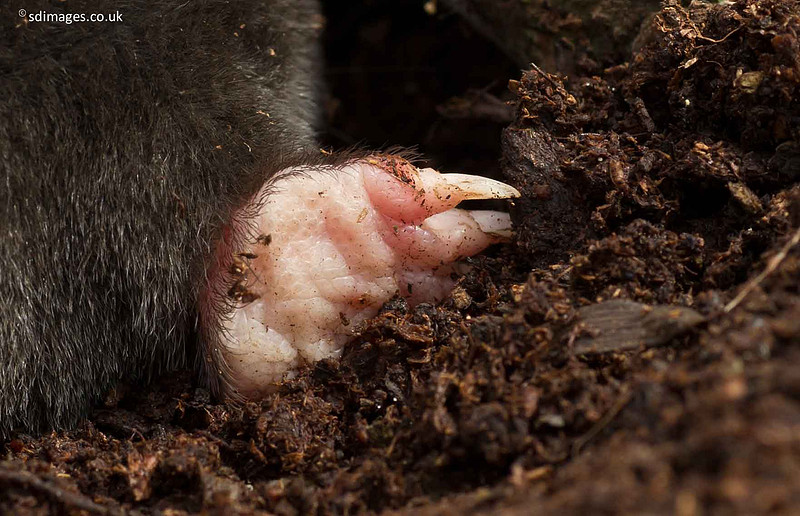
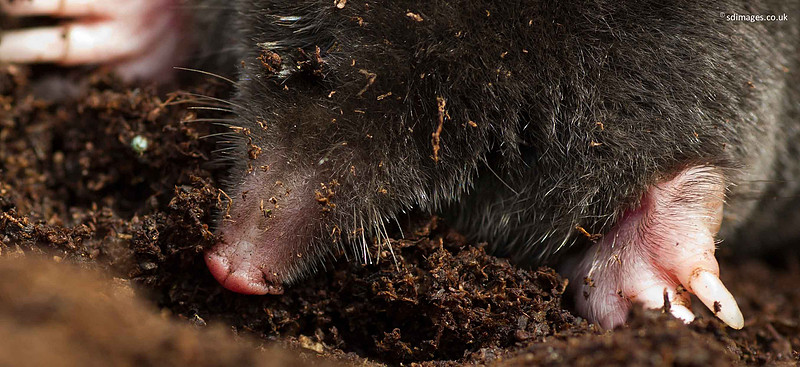
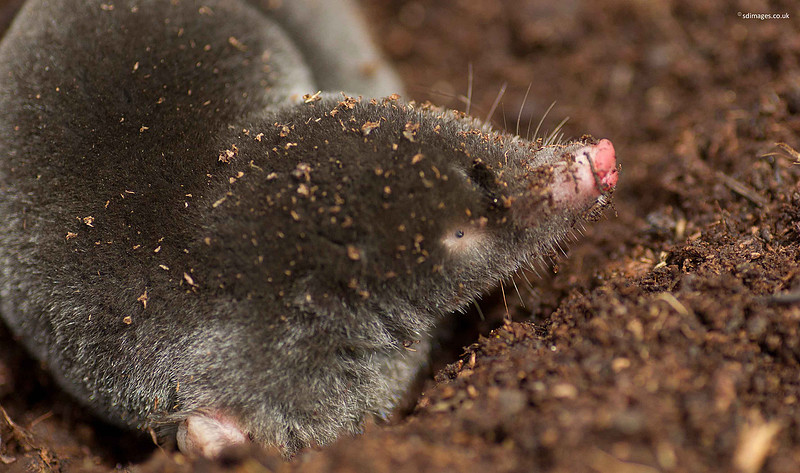
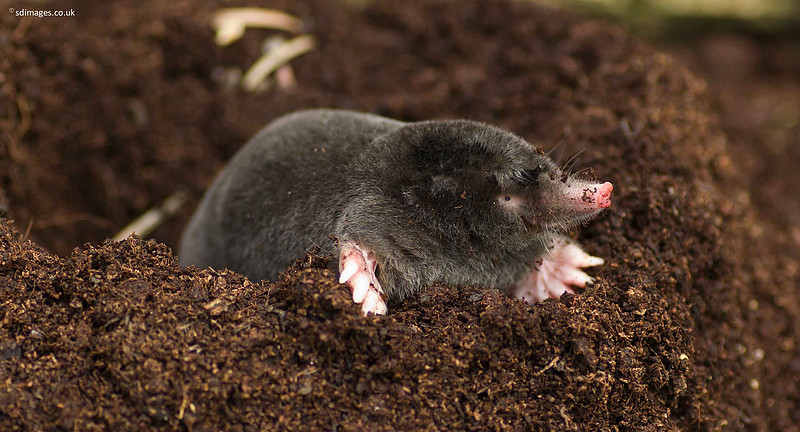
Mole
Moles can dig 20 metres of tunnel every day, leaving mounds of earth on the surface as they excavate their tunnels.
Chambers within the tunnel are lined with grass used for nesting during periods of rest.
Moles feed mainly on earthworms, but they also eat a variety of invertebrates, as well as snakes and lizards.
Habitat: deciduous woodland and grassland .